

The Asphalt Installation Process Explained for Memphis Homeowners
For homeowners in Memphis, TN considering a new driveway or parking lot, understanding the asphalt installation process is essential. Asphalt is a popular paving material due to its durability, smooth finish, and cost-effectiveness. Whether you are planning new driveway paving for your home or upgrading a commercial parking lot, knowing the process can help you set realistic expectations and ensure the work is done correctly.
Asphalt installation involves a detailed sequence of steps that must be followed precisely to ensure a long-lasting surface. From initial planning and excavation to the final compaction and curing, each phase plays a crucial role in the integrity of the finished product. Memphis weather conditions, soil types, and local paving standards can also influence how each step is executed. Therefore, hiring a reputable contractor who understands these regional factors is vital to achieving optimal results.
This guide breaks down the asphalt paving steps for Memphis homeowners to better understand what goes into a quality asphalt installation.
Site Preparation and Excavation
The first and perhaps most critical phase of any asphalt installation is site preparation. In Memphis, TN, this means accounting for the region’s specific climate conditions, such as warm summers and occasional freezing in winter, which can affect soil stability and drainage. The goal of site preparation is to create a stable, even foundation for the new pavement.
The process begins by removing the existing surface, whether it is grass, gravel, concrete, or an old layer of asphalt. Excavation may involve removing several inches of topsoil to expose a firm base. In areas with weak or clay-heavy soil, contractors may need to excavate deeper or bring in stronger aggregate material to support the pavement.
Grading follows excavation and is essential for ensuring proper water drainage. If water is allowed to pool on the surface or seep into the base, it can lead to cracks and potholes over time. Professional contractors will grade the surface with a slight slope to direct water away from structures and paved areas.
Finally, a geotextile fabric may be applied to prevent soil movement and reinforce the structure beneath the asphalt. This is especially important for new driveway paving in residential areas where soil shifting is more likely to cause damage.
Installing the Aggregate Base Layer
Once the site has been excavated and graded, the next step is laying down the aggregate base layer. This crushed stone or gravel layer is vital for the strength and longevity of the asphalt pavement. It provides a stable foundation that supports the asphalt and helps distribute weight evenly across the surface.
In Memphis, where heavy rains can saturate the ground, proper compaction of this base layer is crucial. If the base is too loose or uneven, it can lead to premature failure of the asphalt surface. Contractors use vibratory rollers to compress the aggregate until it reaches the required density. This prevents shifting or settling over time and ensures that the asphalt on top remains smooth and intact.
The thickness of the base layer varies depending on the intended use of the pavement. For example, parking lot paving for commercial properties may require a thicker base than residential driveways, due to the heavier loads it must accommodate.
Contractors also test the compaction and stability of the base before moving on to the next step. This ensures that the site is ready to support the asphalt and will not develop weak spots after installation.
Laying the Asphalt
With the base prepared and compacted, the next phase is applying the asphalt itself. This step requires precision and experience to get the thickness, temperature, and layout just right. In Memphis, asphalt is typically laid during the warmer months to ensure proper curing and adhesion.
Hot mix asphalt is delivered to the site and poured onto the prepared base. It must be kept at the correct temperature to remain workable. If it cools too quickly, it can become stiff and difficult to spread, resulting in an uneven surface.
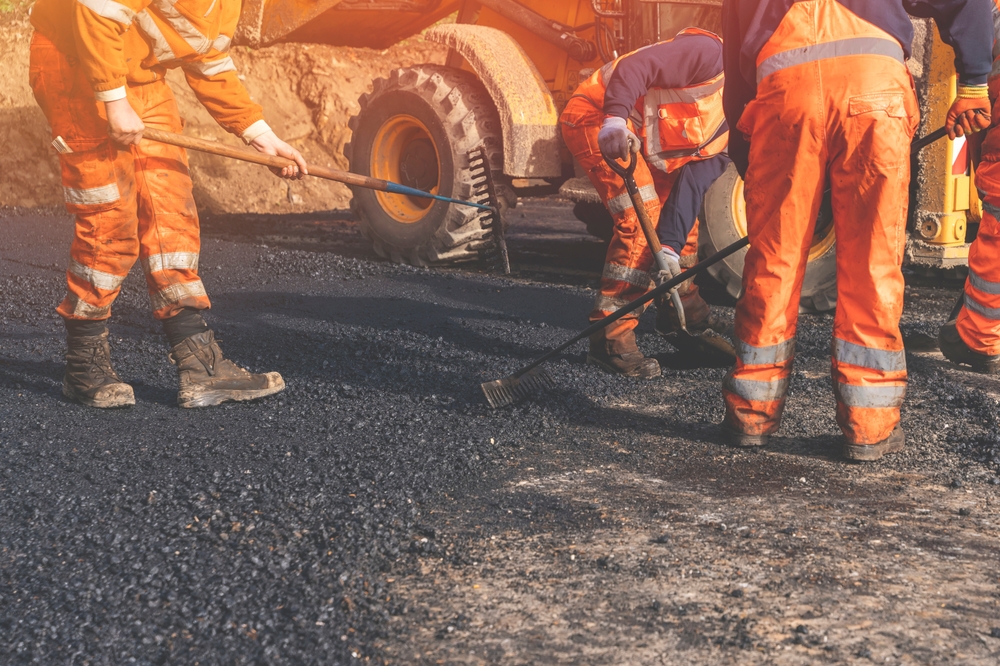
Contractors use specialized paving machines to spread the asphalt uniformly across the surface. This ensures consistency in thickness and prevents any low or high spots. For areas that are hard to reach, such as narrow residential driveways, workers may spread the asphalt by hand using rakes and lutes.
The first layer, known as the binder course, contains larger aggregates for added strength. A second layer, called the surface course, uses smaller aggregates for a smoother finish and better aesthetics. Both layers must be laid quickly and compacted thoroughly to avoid seams or weak joints that could crack over time.
Proper compaction is especially important in this phase. Using a steel drum roller or a pneumatic roller, contractors compact the asphalt while it is still hot. This locks in the aggregates, reduces air voids, and ensures a smooth, even finish.
Curing and Final Touches
After the asphalt is laid and compacted, the surface must be allowed to cure. In Memphis, curing time may vary depending on temperature and humidity, but typically the new surface should not be used for at least 24 to 48 hours.
During curing, the asphalt hardens and bonds together, developing its full strength. Driving on the surface too soon can cause depressions or ruts, particularly in warm weather when the material is still pliable.
Once cured, the final touches are completed. This may include striping for parking lot paving, adding curbs or barriers, or sealing the surface to protect it from UV rays and moisture. Sealing is not typically done immediately after installation but is recommended a few months later to enhance durability and appearance.
Homeowners should also be given maintenance guidelines, such as when to apply sealcoat, how to clean the surface, and what weight limits should be observed. These instructions can extend the lifespan of the new pavement and prevent costly repairs.
Common Mistakes to Avoid
Asphalt installation is a complex process, and mistakes at any stage can lead to poor performance or early failure. One common issue in Memphis is insufficient site preparation. Skipping proper excavation or using a subpar base can cause the pavement to settle unevenly or crack within a year.
Another frequent problem is poor drainage. Water pooling on the surface or seeping into the base layer will gradually undermine the pavement’s integrity. Ensuring the site is properly graded and adding drainage features like channels or swales can prevent this.
Inexperienced contractors may also rush the job or use asphalt at the wrong temperature. If the mix is too cold, it will not bond properly; if too hot, it can overheat the surface and become brittle.
Finally, skipping regular maintenance, such as sealing and crack repair, will significantly reduce the lifespan of the asphalt. Even a well-installed surface can deteriorate without proper care, especially in a climate like Memphis that experiences both heat and occasional frost.
Conclusion
Installing asphalt in Memphis, TN is a detailed process that requires careful planning, expert execution, and attention to local conditions. Whether you are pursuing new driveway paving for your home or a parking lot paving project for your business, understanding the key steps involved helps you make informed decisions and ensures a successful outcome.
From excavation and base preparation to the final compaction and curing, every phase is essential in creating a strong, long-lasting surface. Partnering with experienced professionals who understand the unique challenges of asphalt installation in Memphis will give you peace of mind and a surface that performs well for years.
Investing in quality asphalt paving not only improves curb appeal but also adds value and functionality to your property. With proper installation and maintenance, your new pavement will stand up to the demands of everyday use and the elements of the Mid-South climate.
Need Asphalt Pavers Near You?
If you’re looking for reliable, high-quality paving from a team that treats you like family, we’d love to hear from you; reach out to us at Prime Paving and Seal Coating today so we can show you the same honest workmanship, fair pricing, and no-pressure experience that have helped our family business grow through word of mouth across the Mid-South. Let’s talk about your project and create a long-lasting surface you can trust.