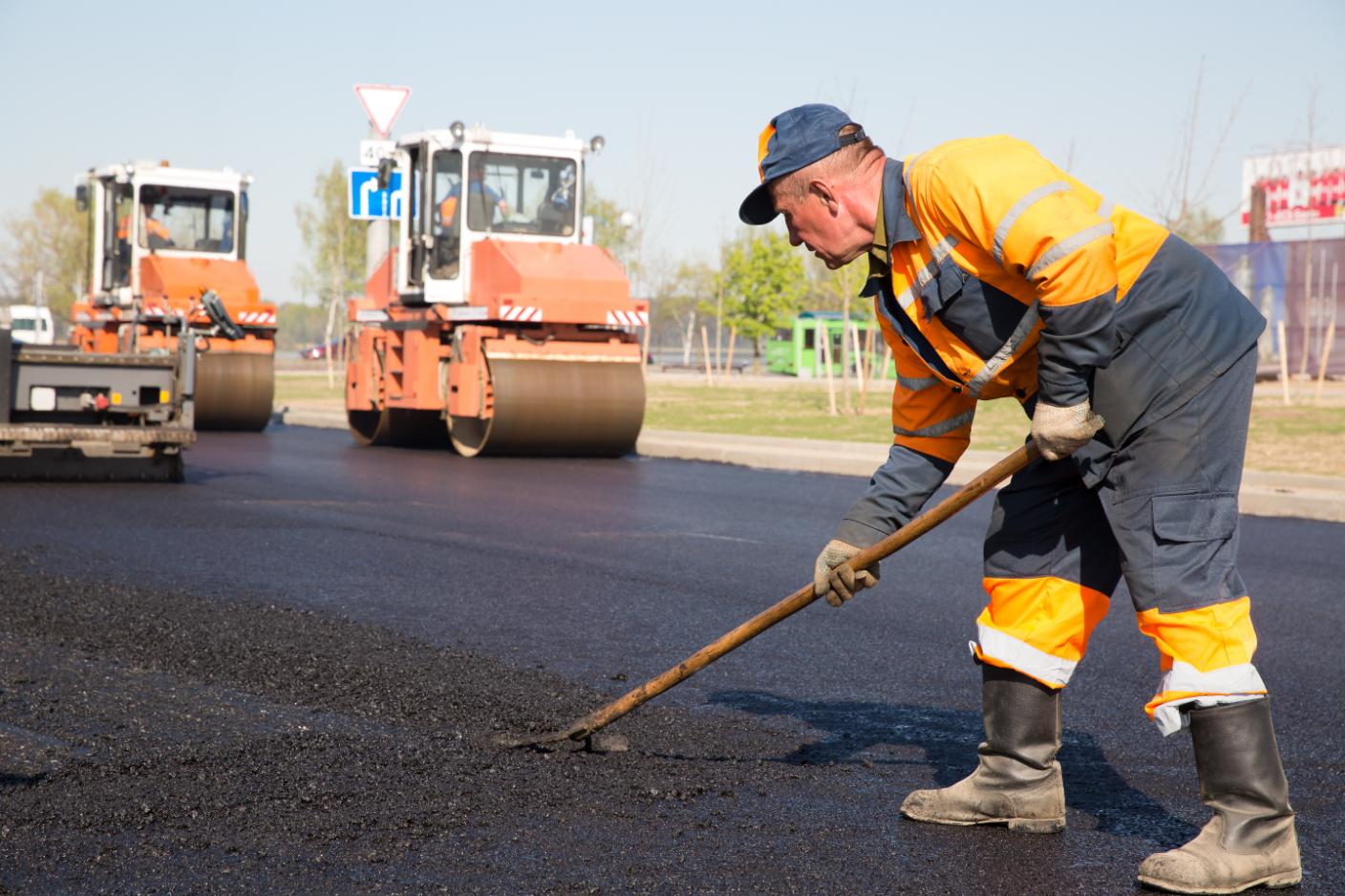
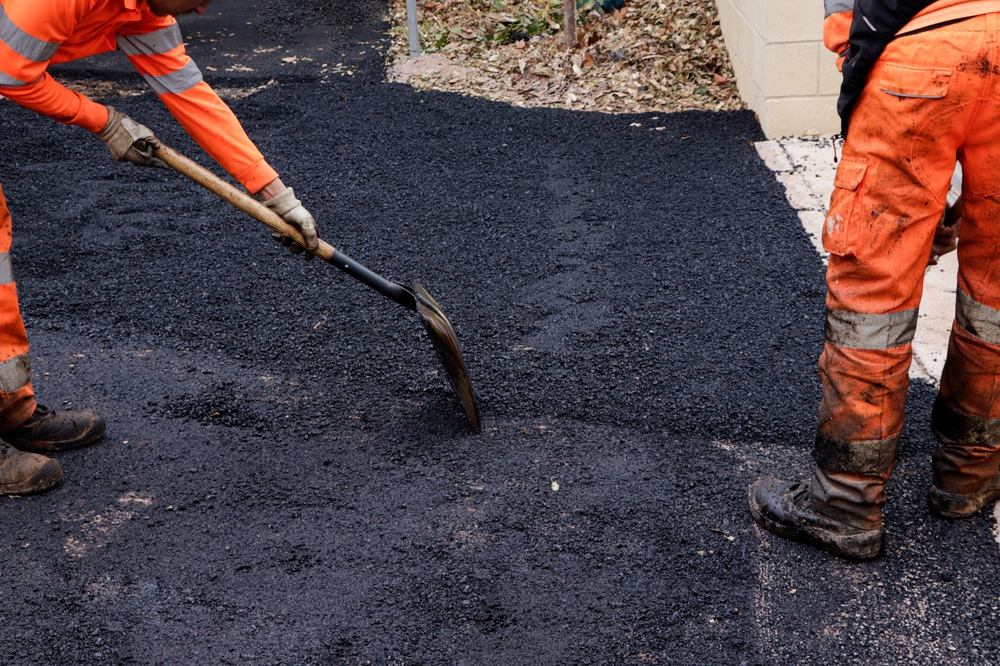
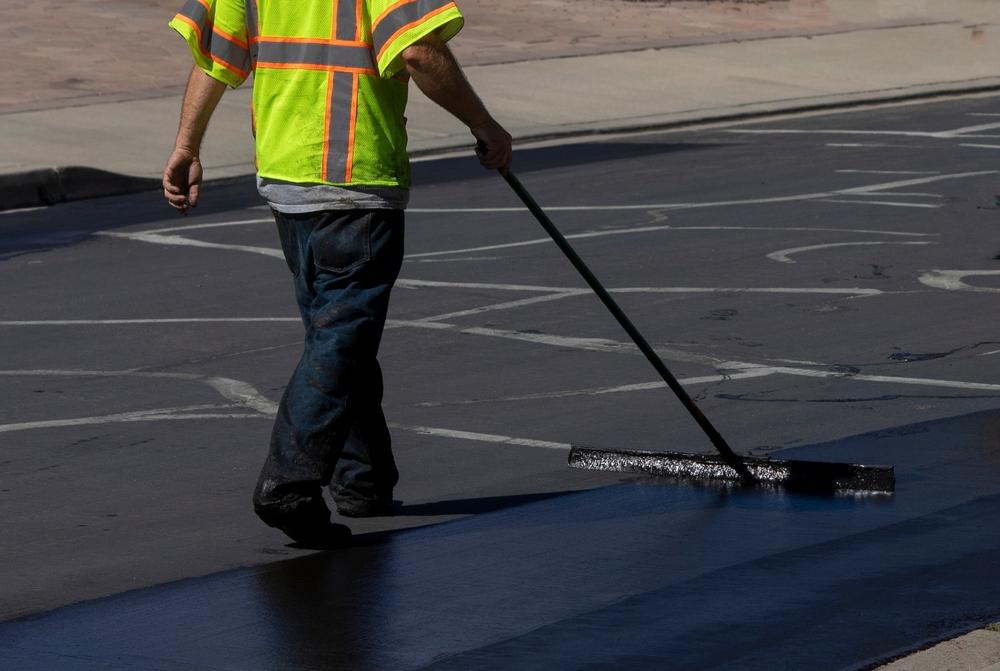
Fresh asphalt lasts longer when it is installed under the right weather conditions. In Memphis and across the Mid-South, changing temperatures, humidity, and seasonal storms all affect how asphalt is placed, compacted, and cured. Choosing the right time of year can improve the quality of the finished pavement and help you avoid unnecessary delays.
Quick Answer
The best time of year for asphalt paving in Memphis and the Mid-South is typically spring through early fall, when daytime temperatures consistently stay above 50°F. Warm pavement and stable weather allow asphalt to compact properly, creating a smoother surface and a longer-lasting result. Scheduling before the busiest part of the season can also improve project flexibility.
What Local Readers Should Know
Asphalt performs best when both air and ground temperatures remain warm enough for proper compaction.
Spring and fall often provide excellent paving conditions while avoiding the most intense summer heat.
Afternoon thunderstorms common throughout the Mid-South can temporarily delay paving projects.
Commercial properties near Downtown Memphis, Germantown, Collierville, and Southaven often schedule paving during slower business periods to reduce disruptions.
Planning your paving project several weeks in advance can help secure your preferred schedule during peak construction season.
Why This Matters Locally
The Mid-South experiences a wide range of weather throughout the year. Hot summers, occasional winter freezes, heavy rainfall, and fluctuating spring temperatures all affect pavement performance.
Roadways, parking lots, driveways, and commercial properties throughout Shelby County, DeSoto County, Bartlett, Olive Branch, and surrounding communities experience significant wear from heat, traffic, and moisture. Installing asphalt during favorable weather gives contractors the best opportunity to achieve proper density and long-term durability.
At Prime Paving and Seal Coating, we help property owners schedule paving projects during conditions that give new asphalt the best opportunity to perform for years to come.
Local Weather Conditions That Affect Asphalt Paving
The ideal conditions for asphalt paving include warm temperatures, dry weather, and moderate humidity. These conditions allow crews to transport, place, and compact the asphalt before it cools too much.
According to the National Weather Service, the Memphis area regularly experiences hot summers with average daytime highs well into the 80s and 90s, while winter temperatures can occasionally fall below freezing. Those seasonal differences directly influence when paving projects can be completed successfully.
Professional field observations also show that sudden spring storms and late summer rainfall may require schedule adjustments even during otherwise favorable paving seasons.
How Seasonal Weather Impacts Local Properties
Weather affects more than just the installation process. It also influences how well asphalt holds up over time.
During the hottest summer months, properly compacted asphalt remains flexible enough to handle expansion while resisting early cracking. In contrast, paving during colder weather can shorten the available compaction window, increasing the risk of premature surface problems.
For commercial parking lots, apartment communities, industrial facilities, and residential driveways throughout the region, choosing the right installation season can contribute to smoother surfaces and longer service life.
Signs It May Be Time to Schedule Asphalt Paving
Large interconnected cracks continue spreading across the pavement.
Multiple potholes return after repeated patching.
Standing water remains after rainfall.
The surface has become rough, uneven, or begins breaking apart.
Previous repairs cover a significant portion of the pavement.
The parking lot no longer provides a professional appearance.
The driveway has widespread edge deterioration.
When to Call a Professional
If your pavement shows isolated cracks or minor surface wear, routine maintenance may still extend its life. However, widespread deterioration, drainage issues, structural failures, or recurring potholes should be evaluated by an experienced paving contractor.
Professional evaluations can determine whether crack sealing, sealcoating, resurfacing, or full replacement is the most practical solution based on the pavement’s current condition.
Common Local Causes of Asphalt Damage
1. Heat Exposure
Extended summer heat softens pavement and increases wear under heavy traffic.
2. Water Infiltration
Frequent rainfall throughout the Mid-South allows water to enter small cracks, weakening the base beneath the asphalt.
3. Freeze and Thaw Cycles
Although winters are generally mild, occasional freezing temperatures can expand trapped moisture and enlarge existing cracks.
4. Heavy Commercial Traffic
Delivery trucks, trailers, and industrial vehicles place concentrated weight on parking lots and access roads.
5. Aging Pavement
Even well-installed asphalt gradually oxidizes from sunlight and weather exposure over time.
Prevention and Maintenance
Preventive maintenance helps maximize the lifespan of asphalt pavement.
Helpful maintenance practices include:
Schedule sealcoating at appropriate intervals.
Repair cracks before water reaches the base.
Address drainage problems promptly.
Keep pavement free of standing water whenever possible.
Clean parking lots regularly to remove debris and automotive fluids.
Schedule annual inspections before small issues become major repairs.
Routine maintenance is generally less expensive than waiting until complete reconstruction becomes necessary.
What Results Should You Expect?
When asphalt is installed during favorable weather conditions, property owners can generally expect:
Smooth driving surfaces
Improved appearance
Better drainage performance
Longer pavement life with proper maintenance
Reduced need for early repairs
Long-term performance depends on factors including traffic volume, drainage, maintenance practices, and local weather conditions.
Common Mistakes Property Owners Make
Waiting too long to schedule work
Small pavement issues often become much larger and more expensive after another season of weather exposure.
Choosing the lowest bid without considering experience
New asphalt cannot perform as intended if water consistently collects on the surface.
Scheduling too late in the season
Waiting until colder weather arrives may reduce scheduling flexibility and increase the likelihood of weather delays.
Common Local Scenario
A shopping center in the Mid-South notices increasing customer complaints about potholes following several seasons of heavy rain and high traffic. Rather than continuing temporary patch repairs, the property owner schedules paving during late spring when temperatures remain consistently warm. The project is completed under favorable conditions, minimizing disruption while improving both safety and curb appeal.
Related Service Solutions
Different pavement conditions require different solutions.
Depending on the existing surface, services may include:
We proudly serve property owners throughout Memphis, Germantown, Collierville, Bartlett, Arlington, Millington, Lakeland, Southaven, Olive Branch, Hernando, West Memphis, and surrounding communities across the Mid-South.
Our local experience helps us understand the seasonal conditions that influence successful asphalt paving throughout the region.
Cost of Ignoring the Issue
Delaying necessary paving often allows cracks to widen, moisture to penetrate the base, and potholes to expand. What begins as a repair project may eventually require more extensive reconstruction if deterioration continues unchecked.
What is the best month for asphalt paving in Memphis?
Late spring through early fall generally provides excellent paving conditions because temperatures remain consistently warm enough for proper asphalt compaction.
Can asphalt be installed during winter in the Mid-South?
Yes, under certain conditions, but colder temperatures reduce the available working time. Scheduling during warmer months usually produces more favorable installation conditions.
Does rain delay asphalt paving?
Yes. Asphalt should generally not be installed during active rainfall because moisture affects both placement and compaction.
How far in advance should I schedule paving in Memphis?
Scheduling several weeks ahead is recommended during the busiest spring and summer paving season to improve scheduling flexibility.
Is summer too hot for asphalt paving?
No. Summer is commonly one of the busiest paving seasons. Experienced crews simply adjust work practices to account for higher temperatures.
How long does new asphalt last in the Mid-South?
The lifespan varies depending on traffic, drainage, installation quality, and maintenance. Routine sealcoating and timely repairs can help extend pavement life.
Should I repair or replace my parking lot?
The answer depends on the overall condition of the pavement. A professional inspection can determine whether repairs, resurfacing, or replacement offers the best long-term value.
Does humidity affect asphalt paving?
Moderate humidity is generally manageable, but excessive moisture combined with rainfall can affect paving operations. Contractors monitor weather conditions closely before beginning work.
Schedule Your Asphalt Project During the Right Season
Choosing the right time for asphalt paving helps protect your investment and supports longer-lasting pavement performance. Local weather conditions play an important role, and proper planning can make a significant difference in project quality.
Ready to Plan Your Asphalt Paving Project?
Whether you need a new driveway, parking lot paving, resurfacing, or pavement maintenance, we’re here to help you choose the right timing for your property.
A well-maintained driveway does more than improve curb appeal. It also helps protect your property from water damage, extends the life of the pavement, and provides a smoother, safer surface for everyday use. In Germantown, Tennessee, homeowners deal with hot summers, seasonal rain, and changing temperatures that can all affect asphalt driveways over time.
Quick Answer
The best driveway paving tips for homeowners in Germantown TN include choosing the right paving season, ensuring proper drainage, sealing asphalt at appropriate intervals, repairing cracks early, and avoiding heavy loads while new pavement cures. Local weather, clay-rich soils in Shelby County, and regular rainfall all make routine maintenance especially valuable for extending the life of a driveway.
What Local Readers Should Know
Spring through early fall generally provides the most favorable temperatures for asphalt paving in the Memphis metropolitan area.
Proper drainage is essential because standing water is one of the leading causes of premature pavement deterioration.
Tree roots from mature neighborhoods like Riverdale and Dogwood Grove can eventually affect driveway edges if left unmanaged.
Regular seal coating helps protect asphalt from UV exposure during Tennessee’s hot summers.
Small cracks are much easier and less expensive to repair than widespread pavement failure.
Why This Matters Locally
Proper driveway maintenance is especially important in Germantown because local weather creates year-round challenges for asphalt surfaces. Summer heat can soften pavement, while repeated rainfall allows water to work into small cracks. Homes throughout neighborhoods like Oakleigh, Kimbrough Woods, and areas near Cameron Brown Park often feature mature landscaping that requires careful planning during paving projects.
Prime Paving and Seal Coating understands these local conditions because we work with homeowners throughout the area to help protect and improve their asphalt surfaces.
Local Data and Field Observations
Professional field observations consistently show that water management plays one of the biggest roles in pavement longevity throughout Shelby County. Driveways that allow water to drain efficiently typically experience slower deterioration than surfaces where water regularly pools. Combined with Tennessee’s summer heat and seasonal storms, even small drainage issues can gradually weaken asphalt if they are not addressed.
Local Impact
Driveway problems rarely stay cosmetic for long. A few small cracks can allow moisture to penetrate beneath the surface, eventually leading to larger repairs. Uneven pavement may also create tripping hazards or make snow and leaf removal more difficult during seasonal maintenance.
For homeowners in Germantown, protecting a driveway helps preserve both property appearance and long-term value.
Warning Signs Your Driveway Needs Attention
The most common warning signs include:
Small cracks beginning to spread across the surface.
Water pooling after rain instead of draining away.
Faded gray asphalt instead of a rich black appearance.
Loose gravel appearing along driveway edges.
Areas that feel soft during hot weather.
Potholes or surface depressions.
Crumbling edges near landscaping or lawns.
Addressing these issues early often prevents more extensive repairs later.
When to Call a Professional
Professional evaluation is recommended when cracks become widespread, drainage problems develop, or sections of pavement begin sinking. While homeowners can monitor their driveway for visible damage and keep it clean, determining whether repairs or replacement are needed usually requires a closer inspection.
Large structural cracks, recurring potholes, or significant drainage concerns should not be ignored because they often indicate problems beneath the pavement surface.
Common Local Causes of Driveway Damage
Several local conditions contribute to asphalt deterioration in Germantown.
1. Water Infiltration
Rainwater entering small cracks gradually weakens the pavement base.
2. Intense Summer Heat
High temperatures can soften asphalt and accelerate surface oxidation over time.
3. Tree Root Growth
Mature trees common throughout Germantown neighborhoods may eventually lift or crack pavement near driveway edges.
4. Heavy Vehicle Loads
Repeated parking of large commercial vehicles or construction equipment can place stress on residential driveways.
5. Aging Pavement
Every driveway eventually reaches the point where maintenance alone is no longer enough to restore structural integrity.
Prevention and Maintenance Tips
Preventative maintenance is the most effective way to maximize driveway life.
Sweep debris regularly to prevent moisture buildup.
Clean oil or chemical spills promptly.
Repair small cracks before they widen.
Apply seal coating when appropriate for your pavement’s condition.
Keep drainage paths clear after storms.
Trim vegetation growing along driveway edges.
Avoid parking heavy equipment on residential asphalt whenever possible.
Scheduling inspections every few years can also help identify developing issues before they become major repairs.
Expected Results
Homeowners who maintain their asphalt consistently can often enjoy a smoother, more attractive driveway for many years. While every property’s conditions differ, routine maintenance helps reduce deterioration, improves appearance, and delays the need for complete replacement.
Common Mistakes Homeowners Make
Ignoring Small Cracks
Small cracks often expand after repeated rainfall. Early repairs are typically simpler than waiting until major damage develops.
Delaying Seal Coating Too Long
Allowing asphalt to remain unprotected for extended periods increases exposure to sunlight, moisture, and oxidation.
Overlooking Drainage Problems
Water that consistently pools near a driveway can eventually weaken both the surface and its foundation.
Using Harsh Chemicals
Some cleaning products may damage asphalt. Using products designed for pavement care is generally a better approach.
Common Local Scenario
A homeowner notices several small cracks appearing after a particularly wet season. Because the driveway still looks mostly intact, repairs are postponed. Over the next year, additional rainfall allows moisture beneath the pavement, leading to larger cracks and surface deterioration that require more extensive work than the original repairs would have involved.
Related Service Solutions
Several services help homeowners maintain asphalt driveways throughout Germantown, including:
We proudly serve homeowners throughout Germantown, Shelby County, and nearby communities including Collierville, Bartlett, Cordova, and East Memphis. Our goal is to provide paving solutions that match the needs of local properties and Tennessee’s climate.
The Cost of Ignoring Driveway Problems
Waiting too long to address driveway issues often allows minor defects to become larger structural problems. Water infiltration, expanding cracks, and weakened pavement bases can increase repair costs and shorten the overall lifespan of the driveway.
How often should homeowners seal an asphalt driveway in Germantown?
Seal coating frequency depends on driveway condition, traffic levels, and weather exposure. A professional inspection can help determine the appropriate timing based on your pavement’s current condition and local environmental factors.
What time of year is best for driveway paving in Germantown TN?
Spring, summer, and early fall generally provide favorable temperatures for asphalt installation because warm weather supports proper pavement placement and curing.
Can heavy rain damage a driveway in Shelby County?
Yes. Repeated rainfall can enter cracks, weaken the base beneath the pavement, and contribute to potholes or surface deterioration if drainage is inadequate.
How long should I stay off a newly paved driveway?
The recommended waiting period depends on weather conditions and the specific paving project. Your contractor will provide guidance based on the pavement’s curing progress.
Is crack filling enough to fix every driveway problem?
No. Crack filling works well for isolated surface damage, but widespread structural deterioration may require resurfacing or full replacement.
Do mature trees affect driveways in Germantown?
Yes. Tree roots from established landscaping can eventually lift pavement or create edge cracking if they grow beneath or alongside the driveway.
Does seal coating repair cracks?
No. Seal coating helps protect asphalt from weather and oxidation but is not designed to repair structural cracks or potholes.
How can I make my driveway last longer?
Regular cleaning, prompt crack repair, proper drainage, periodic inspections, and appropriate seal coating all contribute to extending asphalt life.
Protect Your Germantown Driveway with Professional Care
A well-maintained driveway provides lasting value, improves curb appeal, and helps prevent costly repairs. Regular inspections and timely maintenance allow homeowners to address small issues before they become major problems.
Ready to Improve Your Driveway?
Our team is here to help homeowners throughout Germantown with reliable paving, repair, and maintenance solutions tailored to local conditions.
A freshly sealed driveway or parking lot does more than improve curb appeal. It helps protect asphalt from the intense summer heat, heavy rainfall, and daily traffic that can shorten the life of paved surfaces across the Memphis area. Knowing what happens during a professional seal coating service helps property owners prepare and understand why each step matters.
Quick Answer
A professional seal coating service includes a thorough inspection, surface cleaning, crack preparation, edge protection, seal coat application, and proper curing time before the pavement is reopened. The process is designed to protect asphalt from moisture, oxidation, UV exposure, and vehicle wear while restoring a clean, uniform appearance.
What Local Readers Should Know
Asphalt should be cleaned completely before any seal coating material is applied to ensure proper adhesion.
Weather conditions across Shelby County play a major role in scheduling because temperature and humidity affect curing times.
Cracks and damaged areas should be addressed before sealing to maximize the life of the pavement.
Most residential driveways and commercial parking lots need time to cure before vehicles return to the surface.
Regular seal coating helps reduce the effects of Tennessee sun, rain, and everyday traffic on asphalt surfaces.
Why This Matters Locally
Professional seal coating is especially valuable for property owners throughout Memphis because asphalt is exposed to long periods of summer heat, seasonal thunderstorms, and frequent vehicle traffic. Neighborhoods such as East Memphis, Midtown, Germantown, Bartlett, and Collierville all experience weather conditions that gradually dry out asphalt binders, allowing cracks and deterioration to develop over time.
Prime Paving and Seal Coating helps local homeowners and businesses protect their pavement by following a careful process designed for the conditions we regularly see throughout the Mid-South.
Professional Field Observations
Based on our experience serving local properties, asphalt that receives routine maintenance generally maintains a better appearance and experiences slower surface deterioration than pavement left untreated for many years. Parking lots exposed to continuous traffic and residential driveways with direct afternoon sun often begin showing oxidation, fading, and small surface cracks before owners realize maintenance is needed.
Local Impact
Protective seal coating does more than improve appearance. It helps reduce water penetration that can weaken the pavement base, slows oxidation caused by UV exposure, and creates a smoother driving surface. For commercial properties near Downtown Memphis or busy corridors like Poplar Avenue, maintaining pavement also helps create a positive first impression for customers.
For homeowners, protecting a driveway today can help postpone more extensive repairs later.
Warning Signs Your Asphalt Is Ready for Seal Coating
Professional seal coating is often recommended when you notice these signs:
The pavement has faded from black to gray.
Small surface cracks are beginning to appear.
Water no longer beads on the asphalt.
The surface feels dry or rough.
Previous seal coating has worn away.
Vehicle traffic has created noticeable wear patterns.
Oil stains are becoming more difficult to clean.
The pavement has lost its rich, uniform color.
When to Call a Professional
Professional seal coating is appropriate once asphalt has fully cured after installation and begins showing normal weathering. While property owners can monitor fading and small cracks, larger damaged areas, widespread cracking, or drainage issues should be evaluated before seal coating is scheduled.
A professional inspection helps determine whether repairs should be completed first so the finished coating performs as intended.
Common Local Causes of Asphalt Wear
Several local conditions contribute to pavement deterioration around Memphis.
1. Intense Summer Heat
Extended UV exposure gradually dries out the asphalt binder, causing fading and brittleness.
2. Heavy Rainfall
Frequent storms allow water to enter small cracks, increasing the likelihood of pavement damage over time.
3. Vehicle Traffic
Daily vehicle loads gradually wear away the protective surface, especially in commercial parking lots.
4. Oil and Fuel Leaks
Petroleum products soften asphalt and accelerate deterioration if left untreated.
5. Natural Aging
Even well-installed asphalt naturally weathers over time and benefits from periodic maintenance.
Prevention and Maintenance
The best way to extend pavement life is through routine inspections and scheduled maintenance.
Helpful maintenance practices include:
Sweep away dirt and debris regularly.
Remove oil spills as soon as possible.
Address small cracks before they expand.
Keep drainage areas clear after storms.
Schedule seal coating at appropriate intervals based on pavement condition.
Avoid turning vehicle tires sharply while the coating is curing.
Routine maintenance is considerably less disruptive than waiting until major repairs become necessary.
What to Expect During the Service
A professional seal coating service follows several important steps.
Initial Inspection
The pavement is evaluated to identify cracks, damaged areas, drainage concerns, and any repairs that should be completed first.
Surface Cleaning
Dirt, dust, leaves, weeds, and debris are removed using professional equipment. Oil spots receive additional treatment because contaminants can prevent proper bonding.
Crack Preparation
Visible cracks may be cleaned and filled where appropriate before seal coating begins. This creates a smoother finished surface and helps reduce future moisture intrusion.
Edge Protection
Concrete, landscaping, sidewalks, garage doors, and other nearby surfaces are carefully protected before application.
Seal Coat Application
The seal coating material is evenly applied using equipment suited to the project. Professionals work methodically to achieve consistent coverage across the entire surface.
Drying and Curing
The pavement must remain free of vehicle traffic while the coating cures. Weather conditions, temperature, humidity, and sunlight all influence curing time.
Final Inspection
The completed surface is reviewed to ensure consistent coverage and a clean finished appearance before reopening the pavement.
Common Mistakes
Applying Seal Coat to Dirty Pavement
Consequence: Poor adhesion and reduced performance.
Better Approach: Thoroughly clean the surface before application.
Ignoring Existing Cracks
Consequence: Water continues entering the pavement beneath the new coating.
Better Approach: Repair cracks before sealing.
Sealing During Poor Weather
Consequence: Improper curing and inconsistent results.
Better Approach: Schedule work during suitable weather conditions.
Driving on Fresh Seal Coat Too Soon
Consequence: Tire marks, scuffing, and surface damage.
Better Approach: Wait until the coating has fully cured before reopening the pavement.
Common Local Scenario
A homeowner in Cordova notices their driveway has faded significantly after several Tennessee summers. Small cracks have started developing near the garage entrance, but the pavement remains structurally sound. A professional inspection determines that minor crack treatment followed by seal coating can help protect the driveway while restoring its appearance before larger repairs become necessary.
Related Service Solutions
Seal coating is one part of a complete asphalt maintenance plan. Depending on pavement condition, related services may include:
Requires equipment, preparation, and experience for consistent results
Professional Seal Coating
Proper preparation, commercial equipment, and efficient application
Higher initial investment but typically delivers more consistent results
Delaying Maintenance
No immediate expense
Increased risk of cracks, water intrusion, and larger repair costs later
Service Areas
We proudly serve property owners throughout Memphis, as well as nearby communities including Germantown, Bartlett, Collierville, Cordova, Lakeland, and other surrounding areas across Shelby County.
Wherever your asphalt is located in our service area, proper maintenance helps protect your investment.
Cost of Ignoring the Issue
Postponing seal coating allows UV exposure, moisture, and daily traffic to continue wearing away the asphalt surface. Small cracks can expand, water may penetrate below the pavement, and repair costs often increase as deterioration progresses.
How often should asphalt be seal coated in Memphis?
Most asphalt surfaces in Memphis benefit from periodic evaluations because traffic levels, weather exposure, and pavement condition all affect maintenance schedules. A professional inspection can help determine appropriate timing.
How long does seal coating take to dry?
Most seal coating dries within several hours, but full curing depends on temperature, humidity, sunlight, and weather conditions. Your contractor will provide guidance before vehicles return to the pavement.
Can seal coating repair large cracks?
No. Seal coating protects the surface but is not intended to repair significant pavement damage. Larger cracks and deteriorated areas typically require repairs before sealing.
Does seal coating help commercial parking lots?
Yes. Commercial properties throughout Shelby County often use seal coating to improve appearance while helping protect asphalt from traffic, weather, and everyday wear.
What weather is best for seal coating?
Dry weather with appropriate temperatures allows the coating to cure properly. Rain shortly after application may affect results, so scheduling depends on local forecasts.
Is seal coating worth it for residential driveways?
For many homeowners, routine seal coating is a preventive maintenance service that helps protect asphalt from weather exposure while maintaining a clean, attractive appearance.
Will seal coating make my driveway look new again?
Seal coating restores a darker, more uniform appearance, but it does not eliminate structural damage or replace needed repairs.
Should cracks be repaired before seal coating?
Yes. Repairing cracks before seal coating helps reduce moisture intrusion and creates a smoother finished surface.
Closing
Routine seal coating is one of the most effective ways to protect asphalt from the weather and daily wear common throughout the Memphis area. Understanding each step of the professional process helps property owners make informed decisions and maintain their investment for years to come.
Protect Your Asphalt with Professional Seal Coating
Our team is ready to help you maintain a cleaner, longer-lasting asphalt surface with professional service tailored to your property’s needs.
Hot summers, frequent thunderstorms, and year-round sun all take a toll on asphalt surfaces across Memphis. Whether it’s a residential driveway or a commercial parking lot, pavement is constantly exposed to weather conditions that gradually weaken its surface and shorten its lifespan.
Quick Answer
Seal coating helps protect asphalt by creating a protective barrier against ultraviolet rays, water penetration, oxidation, oil spills, and everyday traffic wear. In Memphis, where intense summer heat, heavy rainfall, and strong UV exposure are common, routine seal coating can slow pavement deterioration and help extend the life of asphalt between major repairs.
What Local Readers Should Know
Memphis summers regularly expose asphalt to prolonged heat and direct sunlight that can dry out pavement and accelerate cracking.
Heavy rain and sudden storms can allow water to enter small surface cracks before they become major structural problems.
Neighborhoods from East Memphis to Cordova and Germantown often experience similar weather patterns that make preventative asphalt maintenance worthwhile.
Regular inspections help identify minor surface wear before more expensive repairs become necessary.
Seal coating is most effective when applied to asphalt that is structurally sound and free from major damage.
Why This Matters Locally
Seal coating is especially important in Memphis because local weather places asphalt under constant stress throughout the year. High temperatures soften pavement during the summer, while ultraviolet rays gradually break down the oils that keep asphalt flexible. Frequent rainstorms across Shelby County allow water to penetrate even small cracks, increasing the chance of potholes and pavement failure over time.
Commercial properties near Downtown Memphis, industrial facilities around the Mississippi River corridor, retail centers in Southaven, and residential neighborhoods throughout Bartlett all experience these environmental challenges. Protecting asphalt before damage becomes severe often costs significantly less than replacing deteriorated pavement.
Prime Paving and Seal Coating helps property owners maintain asphalt surfaces with preventative maintenance designed for local conditions. After this introduction, we’ll simply refer to ourselves as we because our focus is helping local property owners understand how to protect their investment.
Local Data and Field Observations
According to the National Weather Service, the Memphis area experiences long periods of hot weather during the summer along with regular thunderstorms that produce significant rainfall throughout the year. Combined with continuous UV exposure, these conditions contribute to asphalt oxidation and moisture intrusion.
From our field observations, we frequently see parking lots and driveways that begin developing faded surfaces, hairline cracks, and surface brittleness after years of exposure without routine seal coating. While every property is different, these weather-related issues are common across the region.
Local Impact
Seal coating provides practical benefits for both homeowners and business owners throughout the area.
For homeowners, it helps preserve curb appeal while slowing surface deterioration that can eventually require larger repairs.
For commercial properties, maintaining parking lots can reduce trip hazards, improve appearance for customers, and help minimize interruptions caused by extensive pavement repairs.
Protecting asphalt before significant damage develops is often a more manageable maintenance approach than waiting until pavement begins failing.
Warning Signs Your Asphalt May Need Seal Coating
The pavement has turned from deep black to a faded gray color.
Small hairline cracks are beginning to appear across the surface.
Water no longer beads on the pavement after rainfall.
The surface feels rough or brittle instead of smooth.
Previous seal coating has noticeably worn away.
Oil stains remain visible and have begun affecting the pavement surface.
Small areas of loose aggregate are appearing.
When to Call a Professional
Seal coating is appropriate only for asphalt that remains structurally sound. If your driveway or parking lot has widespread cracking, potholes, base failure, or areas that hold standing water, those issues should be evaluated before applying a new seal coat.
Property owners can safely monitor fading, small surface cracks, and general wear. However, significant cracking or drainage problems should be professionally assessed to determine whether repairs are needed before maintenance.
Common Local Causes of Asphalt Deterioration
1. Summer Heat
Extended periods of high temperatures soften asphalt and speed up oxidation, making pavement more vulnerable to cracking.
2. UV Exposure
Direct sunlight gradually removes the natural oils within asphalt, causing the surface to become dry and brittle.
3. Heavy Rainfall
Rainwater enters even small cracks. Once moisture reaches the base beneath the asphalt, larger pavement failures become more likely.
4. Vehicle Traffic
Repeated traffic loads slowly wear away the pavement surface, especially in parking stalls, entrances, and turning areas.
5. Oil and Chemical Spills
Motor oil, fuel, and automotive fluids can soften asphalt and weaken its surface over time.
Prevention and Maintenance
Preventative maintenance begins with routine inspections throughout the year.
For many Memphis properties, spring and early fall often provide favorable conditions for seal coating because temperatures are generally suitable for proper curing.
Property owners can:
Keep pavement clean.
Remove leaves and debris.
Address oil spills promptly.
Monitor new cracks before they expand.
Schedule periodic professional inspections.
DIY cleaning is generally appropriate, but crack repair and seal coating usually produce better results when completed with professional equipment and proper surface preparation.
Expected Results
Seal coating does not repair structural pavement damage or eliminate existing potholes. Instead, it helps protect healthy asphalt by reducing exposure to weather, moisture, and oxidation.
When combined with timely crack sealing and routine inspections, seal coating can help preserve appearance and extend the useful life of asphalt surfaces while delaying more extensive repairs.
Common Mistakes
Mistake: Waiting until large cracks appear before taking action. Consequence: Water reaches the pavement base, increasing repair costs. Better Approach: Schedule preventative maintenance before significant deterioration develops.
Mistake: Applying seal coating over damaged pavement. Consequence: Existing structural problems continue beneath the surface. Better Approach: Complete necessary repairs first.
Mistake: Ignoring drainage issues. Consequence: Standing water accelerates pavement deterioration. Better Approach: Correct drainage problems before applying protective coatings.
Common Local Scenario
A commercial parking lot in the Memphis area begins showing widespread fading after several summers of intense sun exposure. Small cracks appear throughout driving lanes, but the pavement remains structurally sound. Rather than waiting until potholes develop, the owner schedules crack sealing where needed followed by seal coating, helping protect the pavement from additional weather-related deterioration.
Related Service Solutions
Several pavement maintenance services work together to protect asphalt:
Seal coating provides a protective surface barrier.
Crack sealing helps prevent water intrusion.
Asphalt patching addresses localized damage.
Parking lot striping restores visibility after maintenance.
Preventative inspections help identify developing issues early.
Surface preparation, product quality, and application consistency may vary
Professional Seal Coating
Proper cleaning, commercial equipment, and experienced application
Higher initial investment
Waiting Until Repairs Are Needed
No immediate maintenance expense
Repairs often become more extensive and costly over time
Service Areas
We proudly serve property owners throughout Memphis as well as nearby communities including Germantown, Bartlett, Cordova, Collierville, Lakeland, Arlington, and surrounding areas across Shelby County. We also assist many commercial properties throughout the greater Mid-South region.
Cost of Ignoring the Issue
Ignoring fading asphalt allows UV exposure, rain, and everyday traffic to continue damaging the pavement surface. Small cracks may gradually become larger repairs, and moisture intrusion can eventually affect the pavement base. Addressing maintenance earlier often provides more options before major restoration becomes necessary.
How often should asphalt be seal coated in Memphis?
The best schedule depends on pavement condition, traffic, and weather exposure. Regular inspections help determine the right timing rather than relying on a fixed calendar.
Does Memphis heat really damage asphalt?
Yes. Extended heat and ultraviolet exposure gradually oxidize asphalt, causing it to become drier, more brittle, and increasingly susceptible to cracking.
Can seal coating fix existing cracks?
No. Seal coating protects the pavement surface but does not repair structural damage. Significant cracks should generally be repaired before seal coating is applied.
Is seal coating worthwhile for commercial parking lots in Shelby County?
Yes. Commercial parking lots experience heavier traffic than residential driveways, making preventative maintenance an important part of preserving pavement condition and appearance.
What time of year is best for seal coating in Memphis?
Moderate temperatures and dry weather generally provide suitable conditions for seal coating. Contractors typically recommend scheduling work during favorable weather windows.
Will seal coating make my driveway waterproof?
Seal coating helps reduce water penetration, but it is not a substitute for repairing cracks or correcting drainage issues that allow moisture beneath the pavement.
How long does seal coating last?
Service life varies depending on traffic, weather exposure, and pavement condition. Routine inspections help determine when maintenance should be repeated.
Should faded asphalt always be replaced?
Not necessarily. If the pavement remains structurally sound, seal coating and minor repairs may restore protection without requiring complete replacement.
Closing
Memphis weather creates unique challenges for asphalt surfaces, but preventative maintenance can help slow the effects of heat, rain, and ultraviolet exposure. Understanding when seal coating is appropriate allows homeowners and business owners to make informed decisions about protecting their pavement investment.
Protect Your Asphalt Before Weather Takes Its Toll
Our team is here to help you determine the right maintenance plan for your driveway or parking lot.
Asphalt paving and seal coating are essential services for property owners throughout Memphis, Tennessee who want to maintain their driveways, parking lots, and other paved surfaces. Whether you are a homeowner looking to install a new driveway or a business owner managing a commercial parking lot, understanding the basics of asphalt paving and seal coating can help you make informed decisions about your property investment. This comprehensive guide will walk you through everything you need to know about these important services in the Memphis area.
Understanding Asphalt Paving Basics
Asphalt paving is the process of laying down a smooth, durable surface made from asphalt concrete. This material consists of aggregate (stones and gravel) mixed with bitumen, a sticky petroleum product that binds the aggregate together. The resulting surface is strong, flexible, and ideal for roads, driveways, and parking lots throughout Memphis, TN.
When asphalt contractors in Memphis, Tennessee begin a paving project, they must prepare the base layer carefully. The foundation is critical to the longevity of your pavement. Contractors will remove any existing material, compact the soil, and add a base layer of stone. This preparation phase ensures that your new asphalt will have a stable foundation and will resist cracking and settling over time.
One of the main advantages of asphalt paving is its affordability compared to concrete. Asphalt is also faster to install, which means your driveway or parking lot can be ready for use more quickly. Additionally, asphalt has a dark appearance that melts snow more effectively in winter, which is helpful for Memphis property owners during occasional cold weather events.
The Importance of Regular Seal Coating
Seal coating is a protective layer applied over asphalt surfaces to extend their lifespan and maintain their appearance. This thin coating fills small cracks and voids in the asphalt, preventing water from seeping into the base layers below. When water infiltrates asphalt, it weakens the structure and causes the material to deteriorate more quickly.
In Memphis, TN, seal coating is particularly important due to the regional climate. The hot summers and occasional heavy rains can take a toll on unprotected asphalt. The ultraviolet rays from the sun cause the asphalt binder to oxidize, which makes the surface harder and more brittle over time. Seal coating creates a protective barrier that shields the asphalt from these damaging effects.
Regular seal coating applications can double the lifespan of your asphalt pavement. Most experts recommend applying seal coating every two to three years, depending on traffic levels and weather conditions. For Memphis property owners, this preventive maintenance approach is far more cost-effective than waiting until major repairs become necessary.
Choosing the Right Asphalt Contractors
Selecting qualified asphalt contractors in Memphis, Tennessee is one of the most important decisions you will make for your paving project. The quality of the work depends heavily on the skill, experience, and professionalism of the contractor you hire. Before making your choice, take time to research local companies and compare their qualifications.
Look for contractors who are licensed and insured, as this protects you in case of accidents or defects in their work. Ask for references from previous clients and take time to review their portfolios. A reputable contractor will be happy to show you examples of completed projects and connect you with satisfied customers who can speak to the quality of their work.
It is also wise to get multiple quotes from different contractors before making your decision. However, do not automatically choose the lowest bid. Instead, evaluate the overall value, considering the contractor’s experience, the quality of materials they use, and the warranty they offer. Professional asphalt contractors in Memphis, TN will provide detailed written estimates that outline all aspects of the project.
The Seal Coating Process Explained
Understanding how seal coating works can help you appreciate the value of this service for your Memphis property. The seal coating process begins with a thorough cleaning of the asphalt surface. Contractors use pressure washing equipment to remove dirt, debris, and any loose material that could prevent the seal coating from bonding properly.
Once the surface is clean and dry, contractors apply the seal coating material using specialized equipment. The coating is typically made from either asphalt-based or coal tar-based products, each with different characteristics and durability levels. The application must be done carefully to ensure an even, consistent coating across the entire surface.
After application, the seal coating needs time to cure properly. Weather conditions are critical during this phase. Contractors in Memphis, TN typically recommend that you avoid driving on the newly sealed surface for at least 24 hours, and longer if humidity levels are high. This curing time allows the coating to harden and bond securely to the asphalt underneath.
Quality seal coating applications should create a glossy, dark appearance that makes your asphalt look new again. Beyond the aesthetic improvement, you are investing in protection that will save you money on future repairs and extend the life of your pavement significantly.
When to Schedule Asphalt Paving and Maintenance
Timing is important when it comes to asphalt maintenance in Memphis, Tennessee. The best time to apply seal coating is during the warmer months when temperatures are consistently above 50 degrees Fahrenheit. This allows the coating to cure properly. Spring and fall are often ideal times, though summer can also work well for seal coating projects.
For new asphalt paving projects, contractors typically recommend waiting six months to one year before applying the first seal coating. This allows the new asphalt to cure and harden completely. After this initial period, regular seal coating every two to three years will keep your pavement in excellent condition.
Pay attention to warning signs that indicate your pavement needs attention. Look for small cracks, potholes, fading color, or areas where the asphalt feels soft or sticky. Addressing these issues early with seal coating or minor repairs can prevent them from becoming major problems that require expensive repaving. Regular inspections of your property will help you catch problems before they progress.
Winter weather can also affect asphalt maintenance schedules. Memphis experiences occasional freezing temperatures, which can cause water that has penetrated the asphalt to freeze and expand, creating cracks and potholes. Having seal coating applied before winter can help prevent this type of damage.
Conclusion
Asphalt paving and seal coating are worthwhile investments for property owners throughout Memphis, TN. By understanding these services and maintaining your pavement with regular seal coating applications, you can extend the life of your asphalt surfaces and protect your property investment. When you are ready to move forward with a paving or seal coating project, take time to find qualified asphalt contractors in Memphis, Tennessee who can deliver quality work at competitive prices. Your driveway and parking lots will thank you for the proper care and attention.
Need Asphalt Pavers Near You?
If you’re looking for reliable, high-quality paving from a team that treats you like family, we’d love to hear from you; reach out to us at Prime Paving and Seal Coating today so we can show you the same honest workmanship, fair pricing, and no-pressure experience that have helped our family business grow through word of mouth across the Mid-South. Let’s talk about your project and create a long-lasting surface you can trust.