

Best Time of Year for Asphalt Paving in Memphis & the Mid-South
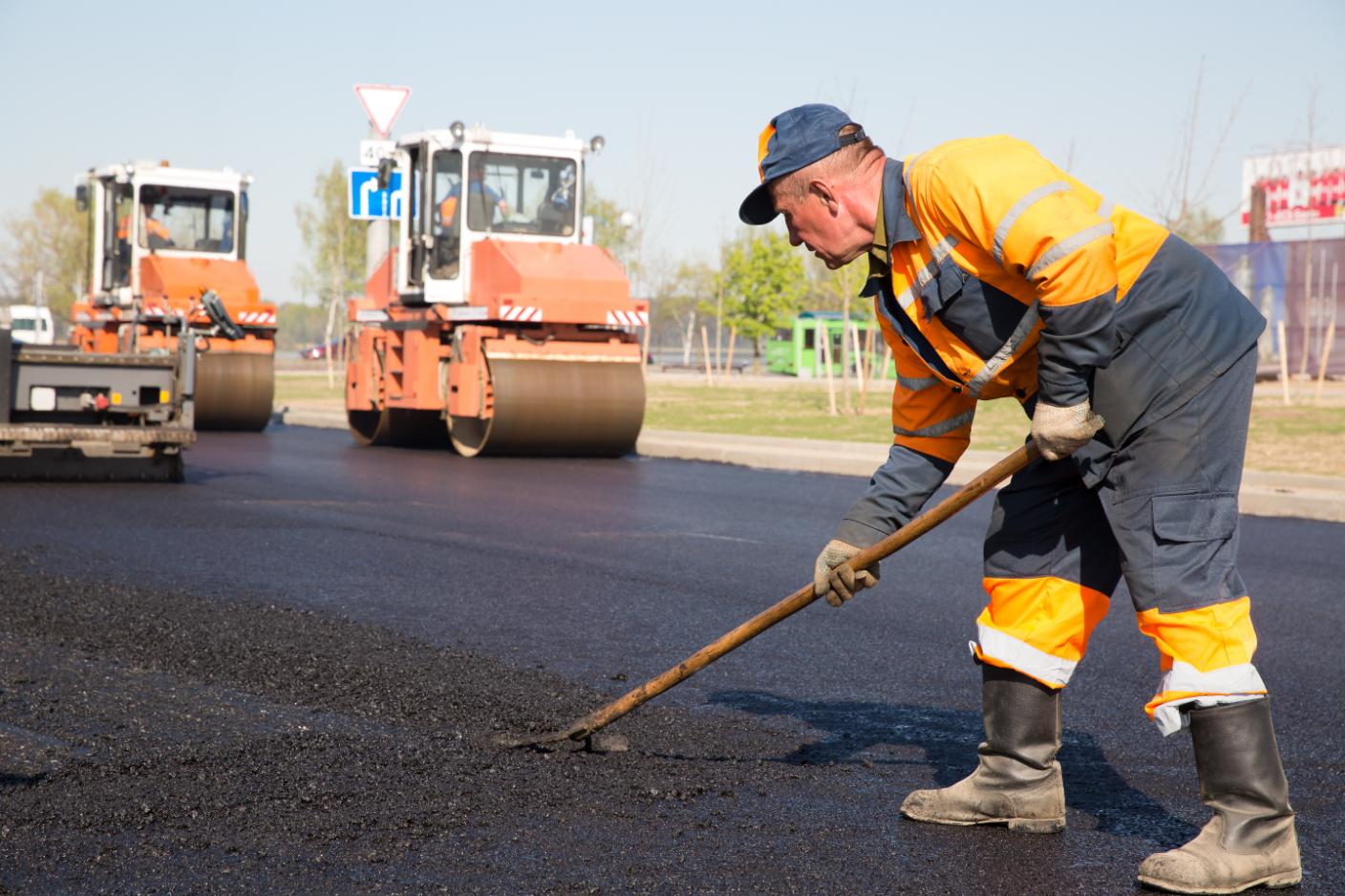
Fresh asphalt lasts longer when it is installed under the right weather conditions. In Memphis and across the Mid-South, changing temperatures, humidity, and seasonal storms all affect how asphalt is placed, compacted, and cured. Choosing the right time of year can improve the quality of the finished pavement and help you avoid unnecessary delays.
Quick Answer
The best time of year for asphalt paving in Memphis and the Mid-South is typically spring through early fall, when daytime temperatures consistently stay above 50°F. Warm pavement and stable weather allow asphalt to compact properly, creating a smoother surface and a longer-lasting result. Scheduling before the busiest part of the season can also improve project flexibility.
What Local Readers Should Know
-
Asphalt performs best when both air and ground temperatures remain warm enough for proper compaction.
-
Spring and fall often provide excellent paving conditions while avoiding the most intense summer heat.
-
Afternoon thunderstorms common throughout the Mid-South can temporarily delay paving projects.
-
Commercial properties near Downtown Memphis, Germantown, Collierville, and Southaven often schedule paving during slower business periods to reduce disruptions.
-
Planning your paving project several weeks in advance can help secure your preferred schedule during peak construction season.
Why This Matters Locally
The Mid-South experiences a wide range of weather throughout the year. Hot summers, occasional winter freezes, heavy rainfall, and fluctuating spring temperatures all affect pavement performance.
Roadways, parking lots, driveways, and commercial properties throughout Shelby County, DeSoto County, Bartlett, Olive Branch, and surrounding communities experience significant wear from heat, traffic, and moisture. Installing asphalt during favorable weather gives contractors the best opportunity to achieve proper density and long-term durability.
At Prime Paving and Seal Coating, we help property owners schedule paving projects during conditions that give new asphalt the best opportunity to perform for years to come.
Local Weather Conditions That Affect Asphalt Paving
The ideal conditions for asphalt paving include warm temperatures, dry weather, and moderate humidity. These conditions allow crews to transport, place, and compact the asphalt before it cools too much.
According to the National Weather Service, the Memphis area regularly experiences hot summers with average daytime highs well into the 80s and 90s, while winter temperatures can occasionally fall below freezing. Those seasonal differences directly influence when paving projects can be completed successfully.
Professional field observations also show that sudden spring storms and late summer rainfall may require schedule adjustments even during otherwise favorable paving seasons.
How Seasonal Weather Impacts Local Properties
Weather affects more than just the installation process. It also influences how well asphalt holds up over time.
During the hottest summer months, properly compacted asphalt remains flexible enough to handle expansion while resisting early cracking. In contrast, paving during colder weather can shorten the available compaction window, increasing the risk of premature surface problems.
For commercial parking lots, apartment communities, industrial facilities, and residential driveways throughout the region, choosing the right installation season can contribute to smoother surfaces and longer service life.
Signs It May Be Time to Schedule Asphalt Paving
-
Large interconnected cracks continue spreading across the pavement.
-
Multiple potholes return after repeated patching.
-
Standing water remains after rainfall.
-
The surface has become rough, uneven, or begins breaking apart.
-
Previous repairs cover a significant portion of the pavement.
-
The parking lot no longer provides a professional appearance.
-
The driveway has widespread edge deterioration.
When to Call a Professional
If your pavement shows isolated cracks or minor surface wear, routine maintenance may still extend its life. However, widespread deterioration, drainage issues, structural failures, or recurring potholes should be evaluated by an experienced paving contractor.
Professional evaluations can determine whether crack sealing, sealcoating, resurfacing, or full replacement is the most practical solution based on the pavement’s current condition.
Common Local Causes of Asphalt Damage
1. Heat Exposure
Extended summer heat softens pavement and increases wear under heavy traffic.
2. Water Infiltration
Frequent rainfall throughout the Mid-South allows water to enter small cracks, weakening the base beneath the asphalt.
3. Freeze and Thaw Cycles
Although winters are generally mild, occasional freezing temperatures can expand trapped moisture and enlarge existing cracks.
4. Heavy Commercial Traffic
Delivery trucks, trailers, and industrial vehicles place concentrated weight on parking lots and access roads.
5. Aging Pavement
Even well-installed asphalt gradually oxidizes from sunlight and weather exposure over time.
Prevention and Maintenance
Preventive maintenance helps maximize the lifespan of asphalt pavement.
Helpful maintenance practices include:
-
Schedule sealcoating at appropriate intervals.
-
Repair cracks before water reaches the base.
-
Address drainage problems promptly.
-
Keep pavement free of standing water whenever possible.
-
Clean parking lots regularly to remove debris and automotive fluids.
-
Schedule annual inspections before small issues become major repairs.
Routine maintenance is generally less expensive than waiting until complete reconstruction becomes necessary.
What Results Should You Expect?
When asphalt is installed during favorable weather conditions, property owners can generally expect:
-
Smooth driving surfaces
-
Improved appearance
-
Better drainage performance
-
Longer pavement life with proper maintenance
-
Reduced need for early repairs
Long-term performance depends on factors including traffic volume, drainage, maintenance practices, and local weather conditions.
Common Mistakes Property Owners Make
Waiting too long to schedule work
Small pavement issues often become much larger and more expensive after another season of weather exposure.
Choosing the lowest bid without considering experience
Quality installation practices significantly affect pavement longevity.
Ignoring drainage problems
New asphalt cannot perform as intended if water consistently collects on the surface.
Scheduling too late in the season
Waiting until colder weather arrives may reduce scheduling flexibility and increase the likelihood of weather delays.
Common Local Scenario
A shopping center in the Mid-South notices increasing customer complaints about potholes following several seasons of heavy rain and high traffic. Rather than continuing temporary patch repairs, the property owner schedules paving during late spring when temperatures remain consistently warm. The project is completed under favorable conditions, minimizing disruption while improving both safety and curb appeal.
Related Service Solutions
Different pavement conditions require different solutions.
Depending on the existing surface, services may include:
-
New asphalt installation
-
Asphalt resurfacing
-
Parking lot paving
-
Driveway paving
-
Asphalt repairs
-
Crack sealing
-
Sealcoating
-
Parking lot maintenance
Comparing Your Options
| Option | Best For | Advantages |
|---|---|---|
| Crack Sealing | Minor cracking | Helps prevent water intrusion |
| Sealcoating | Good pavement with surface wear | Protects against oxidation and moisture |
| Resurfacing | Structurally sound pavement with surface damage | Restores appearance and ride quality |
| Full Replacement | Extensive structural failure | Provides a completely new pavement system |
Service Areas
We proudly serve property owners throughout Memphis, Germantown, Collierville, Bartlett, Arlington, Millington, Lakeland, Southaven, Olive Branch, Hernando, West Memphis, and surrounding communities across the Mid-South.
Our local experience helps us understand the seasonal conditions that influence successful asphalt paving throughout the region.
Cost of Ignoring the Issue
Delaying necessary paving often allows cracks to widen, moisture to penetrate the base, and potholes to expand. What begins as a repair project may eventually require more extensive reconstruction if deterioration continues unchecked.
Frequently Asked Questions
What is the best month for asphalt paving in Memphis?
Late spring through early fall generally provides excellent paving conditions because temperatures remain consistently warm enough for proper asphalt compaction.
Can asphalt be installed during winter in the Mid-South?
Yes, under certain conditions, but colder temperatures reduce the available working time. Scheduling during warmer months usually produces more favorable installation conditions.
Does rain delay asphalt paving?
Yes. Asphalt should generally not be installed during active rainfall because moisture affects both placement and compaction.
How far in advance should I schedule paving in Memphis?
Scheduling several weeks ahead is recommended during the busiest spring and summer paving season to improve scheduling flexibility.
Is summer too hot for asphalt paving?
No. Summer is commonly one of the busiest paving seasons. Experienced crews simply adjust work practices to account for higher temperatures.
How long does new asphalt last in the Mid-South?
The lifespan varies depending on traffic, drainage, installation quality, and maintenance. Routine sealcoating and timely repairs can help extend pavement life.
Should I repair or replace my parking lot?
The answer depends on the overall condition of the pavement. A professional inspection can determine whether repairs, resurfacing, or replacement offers the best long-term value.
Does humidity affect asphalt paving?
Moderate humidity is generally manageable, but excessive moisture combined with rainfall can affect paving operations. Contractors monitor weather conditions closely before beginning work.
Schedule Your Asphalt Project During the Right Season
Choosing the right time for asphalt paving helps protect your investment and supports longer-lasting pavement performance. Local weather conditions play an important role, and proper planning can make a significant difference in project quality.
Ready to Plan Your Asphalt Paving Project?
Whether you need a new driveway, parking lot paving, resurfacing, or pavement maintenance, we’re here to help you choose the right timing for your property.