

How Often Should You Sealcoat Your Asphalt in Memphis, TN?
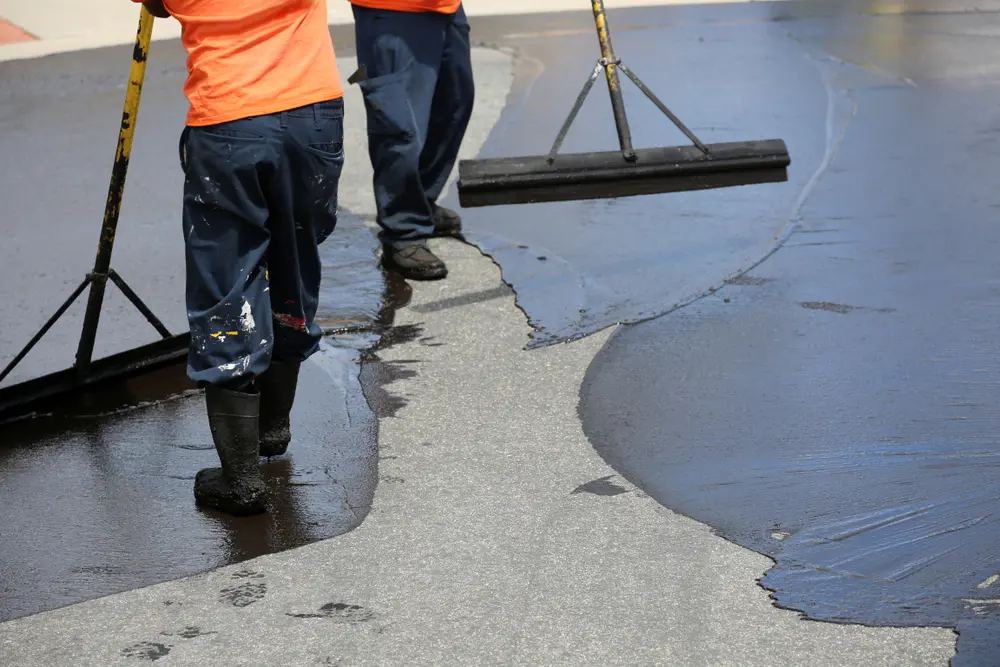
Memphis asphalt takes a beating from intense summer sun, heavy rain, vehicle traffic, and temperature swings throughout the year. Whether you own a driveway in East Memphis or manage a commercial parking lot near the I-240 corridor, regular sealcoating can help slow surface deterioration and keep pavement looking maintained.
Quick answer: Most asphalt surfaces in Memphis, TN should be evaluated for sealcoating about every 2 to 3 years. The right schedule depends on pavement age, traffic, sun exposure, drainage, previous maintenance, and current surface condition. A lightly used residential driveway may go longer between applications, while a busy commercial lot may need attention sooner.
What local property owners should know
-
Sealcoating is preventive maintenance, not a repair for major cracks, potholes, or structural pavement failure.
-
Memphis heat and strong summer sunlight can gradually dry and oxidize exposed asphalt surfaces.
-
Heavy Mid-South rainfall makes drainage and crack repair especially important before a new coating is applied.
-
High-traffic parking lots in Shelby County often experience faster surface wear than residential driveways.
-
The pavement’s actual condition matters more than following a calendar alone.
Why Does Sealcoating Matter in Memphis?
Sealcoating matters in Memphis because asphalt here is exposed to prolonged summer heat, sunlight, rainfall, vehicle fluids, and seasonal temperature changes that can gradually weaken the pavement surface. A properly timed maintenance program helps protect the upper layer of asphalt before ordinary weathering develops into more expensive pavement problems.
The National Weather Service Memphis office documents the region’s hot summers along with meaningful seasonal temperature variation. Those conditions matter because asphalt expands, contracts, oxidizes, and weathers over time.
Properties in Midtown, Cordova, Germantown, Bartlett, and other parts of Shelby County also experience different traffic and drainage conditions. A shaded residential driveway may age differently from an exposed retail parking lot that receives deliveries and customer traffic every day.
Prime Paving and Seal Coating helps local property owners evaluate asphalt condition and determine whether sealcoating, crack repair, or another pavement service makes sense. After looking at the surface itself, we can recommend maintenance based on what the pavement needs rather than automatically applying another coat.
How Often Should Asphalt Be Sealcoated?
Most asphalt in Memphis should be considered for sealcoating roughly every 2 to 3 years, but the pavement should be inspected before each application. Recoating too early can create unnecessary buildup, while waiting until the surface is badly deteriorated can limit what sealcoating is able to accomplish.
Residential driveways with limited traffic may stay in good condition longer. Commercial parking lots, apartment properties, loading areas, and heavily traveled entrances can wear faster.
Several factors affect the interval:
-
Daily vehicle volume
-
Heavy truck traffic
-
Direct sun exposure
-
Standing water or drainage problems
-
Existing cracks
-
Previous sealcoat condition
-
Oil or automotive fluid exposure
-
Overall pavement age
The goal is not to apply sealcoat as frequently as possible. The goal is to apply it when the existing protective surface has worn enough that another treatment can provide useful protection.
What Are the Signs Your Asphalt May Need Sealcoating?
Asphalt may be ready for sealcoating when the surface has lost its darker appearance, feels dry or weathered, and shows early signs of oxidation without major structural damage. Memphis property owners should look at the entire paved area rather than relying on color alone.
Common warning signs include:
-
The asphalt has faded from deep black to a noticeably gray appearance.
-
Fine surface cracking is beginning to appear.
-
The pavement looks dry or brittle in exposed areas.
-
A previous sealcoat layer has worn away in traffic lanes.
-
Parking spaces show noticeably different wear patterns.
-
Water reaches cracks or low areas after storms.
-
Oil spots and vehicle fluids are affecting portions of the surface.
-
Several years have passed since the last professional pavement evaluation.
Sealcoating cannot restore asphalt that has already failed structurally. Large potholes, widespread cracking, unstable sections, or significant depressions should be evaluated for repair first.
What Causes Asphalt to Wear Faster in Memphis?
The most common local causes of asphalt wear are sunlight, heat, water intrusion, traffic, and neglected cracking. Memphis combines several of these stresses, which is why pavement condition can vary considerably even between properties only a few miles apart.
1. Sun and heat: Open parking lots around commercial corridors receive hours of direct sunlight. UV exposure and oxidation gradually dry the asphalt binder at the surface.
2. Rain and drainage: Water that reaches open cracks can contribute to deterioration below the surface. Low areas that repeatedly hold water deserve attention before sealcoating.
3. Vehicle traffic: Turning tires, delivery vehicles, garbage trucks, and frequent daily traffic place more stress on pavement than normal residential use.
4. Seasonal temperature changes: The Mid-South experiences both hot summer pavement temperatures and periods of cold winter weather. Existing cracks can worsen as pavement responds to those changes.
5. Delayed maintenance: Small surface defects are usually easier to address before they become larger pavement failures.
When Should You Call a Paving Professional?
You should call a paving professional when your asphalt has visible cracking, worn areas, drainage concerns, potholes, or an uncertain maintenance history. A professional evaluation is especially useful when you are unsure whether the pavement needs sealcoating or has progressed beyond the point where a surface treatment is appropriate.
Property owners can safely monitor fading, small cracks, drainage after rainfall, and changes in pavement texture. More significant cracking, sinking, potholes, loose pavement, or widespread deterioration should be evaluated before any coating is applied.
This distinction matters because sealcoating protects a suitable asphalt surface. It does not correct a failing pavement base or permanently repair structural defects.
How Can You Extend the Life of Sealcoated Asphalt?
You can extend the useful life of sealcoated asphalt by keeping the pavement clean, addressing cracks early, maintaining drainage, and avoiding unnecessary surface damage. In the Memphis area, routine inspections after periods of severe weather can also help catch problems while they are still manageable.
Consider these maintenance habits:
-
Check the pavement periodically for new cracks.
-
Keep leaves, soil, and debris from blocking drainage paths.
-
Address areas where water consistently collects.
-
Clean significant oil or fluid spills.
-
Watch high-traffic entrances and turning areas for accelerated wear.
-
Have damaged areas repaired before applying another sealcoat.
Spring and fall can be convenient times to evaluate pavement because property owners can assess damage outside the most intense periods of summer heat.
What Results Should You Expect From Sealcoating?
Proper sealcoating should provide a more uniform surface appearance while adding a protective layer over asphalt that is still in maintainable condition. It can help reduce exposure to sunlight, water, and automotive fluids, but it should not be expected to eliminate cracks, level depressions, or rebuild damaged pavement.
The appearance after service will depend on the pavement beneath the coating. Asphalt with proper preparation and repairs will generally produce a more consistent result than pavement with unresolved damage.
For commercial properties, a maintained surface can also make parking areas and drive lanes look cleaner and more orderly.
What Are Common Sealcoating Mistakes?
The most common sealcoating mistakes involve applying the product too frequently, coating over unresolved damage, or treating sealcoat as a substitute for pavement repair. A better approach is to inspect the asphalt first and match the service to its actual condition.
Mistake: Sealcoating every year regardless of condition.
Consequence: Unnecessary layers can build up without providing proportional value.
Better approach: Inspect the pavement and use condition, traffic, and wear to determine timing.
Mistake: Covering significant cracks without repairs.
Consequence: Existing pavement movement or water intrusion can continue beneath the coating.
Better approach: Address appropriate cracks and repairs before sealcoating.
Mistake: Ignoring drainage problems.
Consequence: Standing water can continue stressing vulnerable pavement areas.
Better approach: Identify recurring drainage concerns before routine surface maintenance.
Mistake: Waiting for major failure.
Consequence: Sealcoating may no longer be the appropriate solution.
Better approach: Use preventive maintenance while the asphalt remains structurally serviceable.
What Is a Common Memphis Sealcoating Scenario?
A common Memphis scenario is a driveway or parking lot that was once dark and uniform but has gradually become gray, dry-looking, and lightly cracked after years of sun, rain, and traffic. The property owner may assume another sealcoat is automatically the answer.
The better first step is evaluating the pavement. If the surface is stable and the damage is minor, crack treatment followed by sealcoating may be appropriate. If potholes, extensive cracking, or base problems are present, repairs may need to come first.
That approach is especially useful for older paved properties throughout Shelby County where different sections may have experienced different maintenance histories.
What Services Can Help Protect Worn Asphalt?
The right service depends on whether the asphalt needs preventive protection, localized repair, or more extensive pavement work. Sealcoating is most useful when the existing surface remains fundamentally sound, while damaged pavement may require repairs before a protective coating can perform as intended.
We can help property owners evaluate options such as asphalt maintenance, sealcoating, crack treatment, and paving-related solutions based on visible pavement conditions.
Should You Sealcoat Asphalt Yourself or Hire a Professional?
DIY sealcoating may be reasonable for some small surfaces, but professional service is generally better suited to larger driveways, commercial lots, damaged pavement, or areas requiring substantial preparation. Preparation, weather conditions, application consistency, crack treatment, and curing all affect the finished result.
A homeowner may be able to inspect and clean a small driveway independently. Larger properties in places such as Collierville, Germantown, Bartlett, and Cordova often benefit from professional equipment and a more complete pavement assessment.
The most important question is whether sealcoating is actually the correct treatment. Applying it neatly does not solve underlying pavement failure.
Where Do We Provide Asphalt Maintenance Services?
We serve property owners in Memphis and surrounding communities where asphalt maintenance and paving services are needed. Nearby areas may include communities throughout Shelby County such as Germantown, Bartlett, Cordova, and Collierville, subject to our current service boundaries.
What Happens If You Wait Too Long to Sealcoat?
Waiting too long can allow oxidation, cracking, moisture intrusion, and surface wear to progress until sealcoating alone is no longer sufficient. The risk is not that every overdue driveway immediately fails, but that inexpensive preventive maintenance may eventually give way to more involved pavement repairs.
For Memphis property owners, the practical approach is periodic inspection. If asphalt is fading but remains stable, maintenance may still be straightforward. If cracks are widening, water is collecting, or sections are deteriorating, delaying an evaluation can reduce your available maintenance options.
Frequently Asked Questions About Sealcoating in Memphis
How often should I sealcoat my driveway in Memphis, TN?
Most Memphis driveways should be evaluated for sealcoating about every 2 to 3 years. Lightly used pavement may sometimes go longer, while strong sun exposure, drainage problems, frequent traffic, or visible surface wear can justify an earlier inspection. The asphalt’s condition should determine the final schedule.
Is Memphis heat hard on asphalt?
Yes, Memphis heat and prolonged sunlight can contribute to asphalt oxidation and surface drying over time. Exposed driveways and parking lots generally receive more UV exposure than shaded pavement, so they may show fading and weathering sooner. Sealcoating is one tool for protecting asphalt that remains structurally sound.
What time of year is best for sealcoating in Memphis?
Sealcoating should be scheduled during suitable weather that allows the material to be applied and cure properly. Temperature, rain chances, surface moisture, and the specific product being used all matter. Rather than choosing a month automatically, property owners should plan around appropriate application conditions and the pavement’s maintenance needs.
Can sealcoating fix cracks in my Memphis driveway?
No, sealcoating is not designed to repair significant asphalt cracks. Appropriate cracks should generally be evaluated and treated before the surface is coated. If cracking is extensive, interconnected, or accompanied by sinking and potholes, the pavement may require repair beyond routine sealcoating.
Do commercial parking lots in Shelby County need sealcoating more often?
They can, because commercial lots often experience more vehicles, turning movements, deliveries, and fluid exposure than residential driveways. High-use areas may wear faster than less traveled sections of the same lot. A condition-based inspection is more useful than applying one maintenance interval to every commercial property.
Does heavy rain affect asphalt maintenance in Memphis?
Yes, water can contribute to pavement deterioration when it enters open cracks or repeatedly collects in poorly drained areas. Before sealcoating, property owners should identify cracking and recurring standing water. A protective surface treatment works best when drainage and necessary repairs have already been addressed.
Should new asphalt be sealcoated immediately?
No, newly installed asphalt generally should not be sealcoated immediately. Fresh pavement needs time before a surface coating is considered. The appropriate waiting period can vary with the asphalt installation, weather, product requirements, and pavement condition, so the installer or paving professional should recommend the timing.
How do I know whether my asphalt needs sealcoating or repaving?
Sealcoating is generally appropriate for structurally sound pavement showing surface aging, while repaving or more substantial repairs may be needed for widespread cracking, potholes, sinking, or structural failure. A pavement evaluation can help determine whether preventive maintenance still makes sense or whether the underlying asphalt needs corrective work.
Keep Your Memphis Asphalt Protected
A 2-to-3-year sealcoating interval is a useful starting point, but your pavement should make the final decision. Memphis weather, drainage, traffic, age, and existing damage all influence how quickly an asphalt surface wears.
Protect Your Asphalt With the Right Maintenance at the Right Time
We help local property owners identify the maintenance their pavement actually needs, without treating sealcoating as a one-size-fits-all solution.