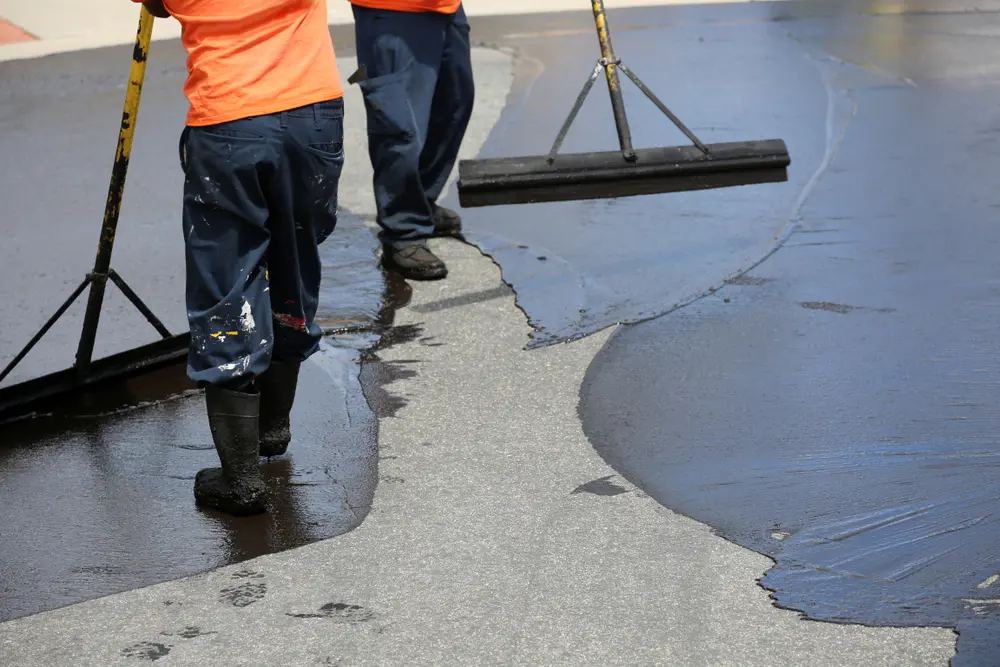
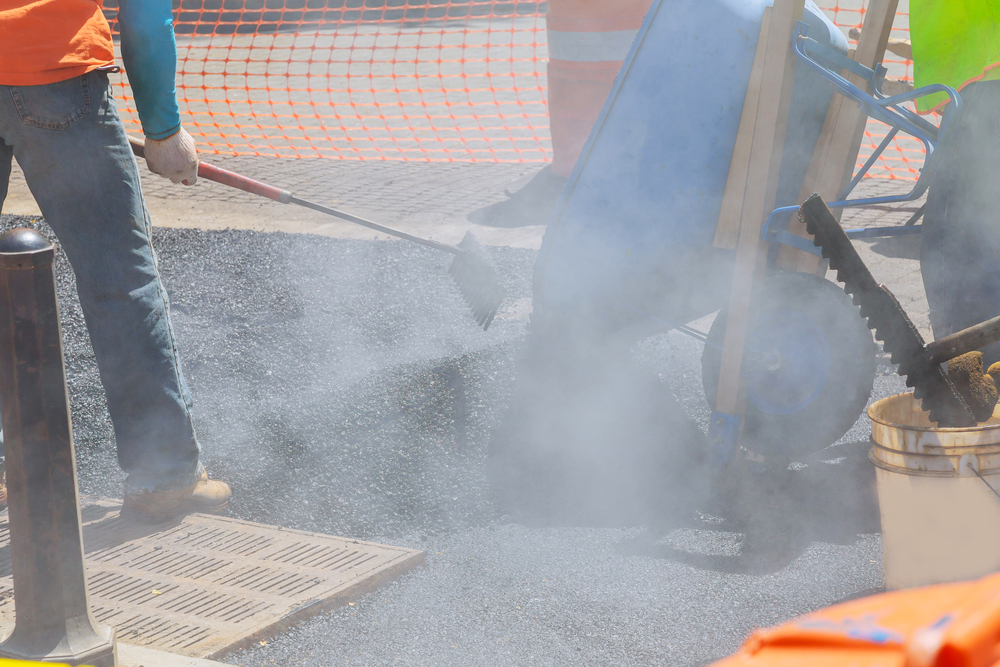
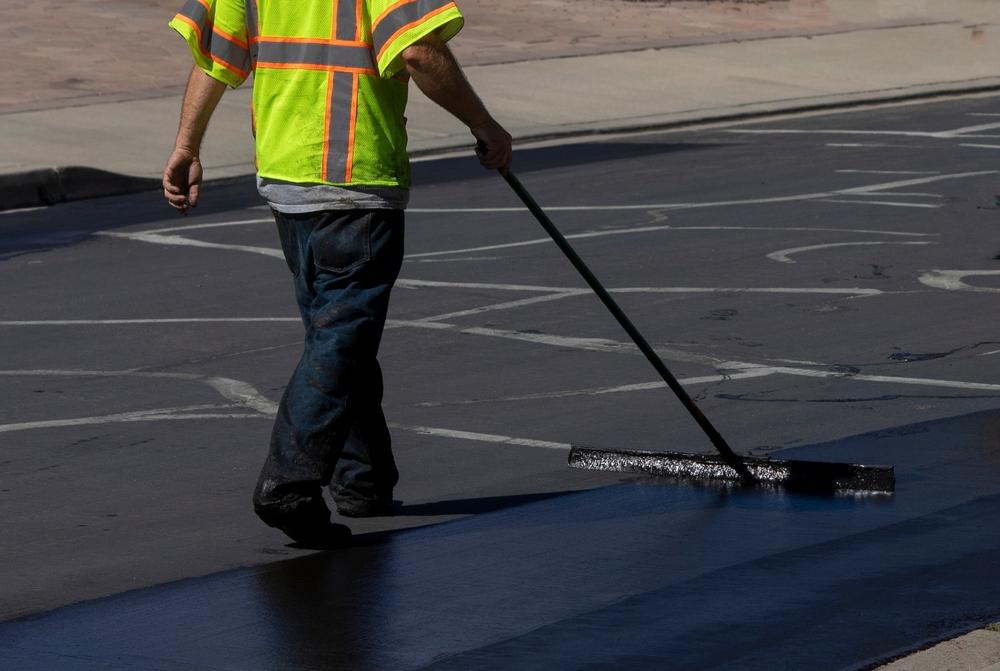
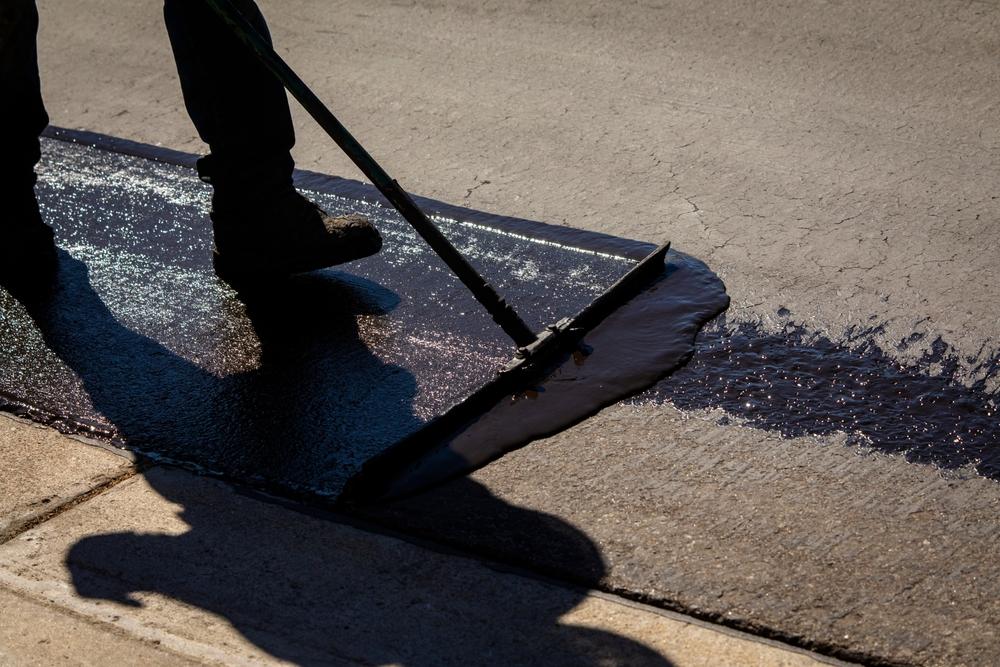
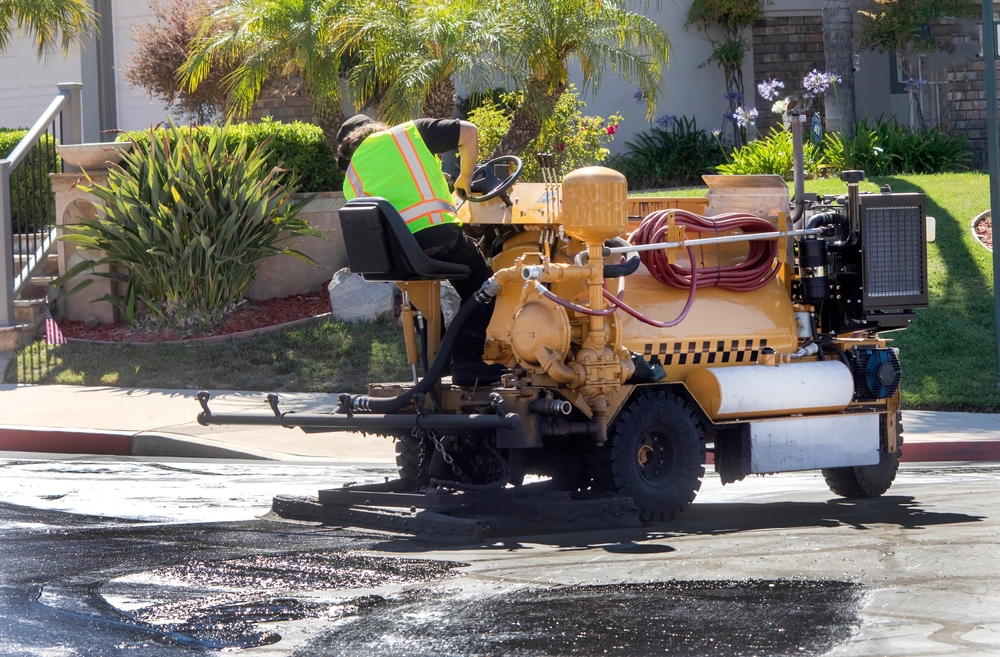
Memphis asphalt takes a beating from intense summer sun, heavy rain, vehicle traffic, and temperature swings throughout the year. Whether you own a driveway in East Memphis or manage a commercial parking lot near the I-240 corridor, regular sealcoating can help slow surface deterioration and keep pavement looking maintained.
Quick answer: Most asphalt surfaces in Memphis, TN should be evaluated for sealcoating about every 2 to 3 years. The right schedule depends on pavement age, traffic, sun exposure, drainage, previous maintenance, and current surface condition. A lightly used residential driveway may go longer between applications, while a busy commercial lot may need attention sooner.
What local property owners should know
Sealcoating is preventive maintenance, not a repair for major cracks, potholes, or structural pavement failure.
Memphis heat and strong summer sunlight can gradually dry and oxidize exposed asphalt surfaces.
Heavy Mid-South rainfall makes drainage and crack repair especially important before a new coating is applied.
High-traffic parking lots in Shelby County often experience faster surface wear than residential driveways.
The pavement’s actual condition matters more than following a calendar alone.
Why Does Sealcoating Matter in Memphis?
Sealcoating matters in Memphis because asphalt here is exposed to prolonged summer heat, sunlight, rainfall, vehicle fluids, and seasonal temperature changes that can gradually weaken the pavement surface. A properly timed maintenance program helps protect the upper layer of asphalt before ordinary weathering develops into more expensive pavement problems.
The National Weather Service Memphis office documents the region’s hot summers along with meaningful seasonal temperature variation. Those conditions matter because asphalt expands, contracts, oxidizes, and weathers over time.
Properties in Midtown, Cordova, Germantown, Bartlett, and other parts of Shelby County also experience different traffic and drainage conditions. A shaded residential driveway may age differently from an exposed retail parking lot that receives deliveries and customer traffic every day.
Prime Paving and Seal Coating helps local property owners evaluate asphalt condition and determine whether sealcoating, crack repair, or another pavement service makes sense. After looking at the surface itself, we can recommend maintenance based on what the pavement needs rather than automatically applying another coat.
How Often Should Asphalt Be Sealcoated?
Most asphalt in Memphis should be considered for sealcoating roughly every 2 to 3 years, but the pavement should be inspected before each application. Recoating too early can create unnecessary buildup, while waiting until the surface is badly deteriorated can limit what sealcoating is able to accomplish.
Residential driveways with limited traffic may stay in good condition longer. Commercial parking lots, apartment properties, loading areas, and heavily traveled entrances can wear faster.
Several factors affect the interval:
Daily vehicle volume
Heavy truck traffic
Direct sun exposure
Standing water or drainage problems
Existing cracks
Previous sealcoat condition
Oil or automotive fluid exposure
Overall pavement age
The goal is not to apply sealcoat as frequently as possible. The goal is to apply it when the existing protective surface has worn enough that another treatment can provide useful protection.
What Are the Signs Your Asphalt May Need Sealcoating?
Asphalt may be ready for sealcoating when the surface has lost its darker appearance, feels dry or weathered, and shows early signs of oxidation without major structural damage. Memphis property owners should look at the entire paved area rather than relying on color alone.
Common warning signs include:
The asphalt has faded from deep black to a noticeably gray appearance.
Fine surface cracking is beginning to appear.
The pavement looks dry or brittle in exposed areas.
A previous sealcoat layer has worn away in traffic lanes.
Parking spaces show noticeably different wear patterns.
Water reaches cracks or low areas after storms.
Oil spots and vehicle fluids are affecting portions of the surface.
Several years have passed since the last professional pavement evaluation.
Sealcoating cannot restore asphalt that has already failed structurally. Large potholes, widespread cracking, unstable sections, or significant depressions should be evaluated for repair first.
What Causes Asphalt to Wear Faster in Memphis?
The most common local causes of asphalt wear are sunlight, heat, water intrusion, traffic, and neglected cracking. Memphis combines several of these stresses, which is why pavement condition can vary considerably even between properties only a few miles apart.
1. Sun and heat: Open parking lots around commercial corridors receive hours of direct sunlight. UV exposure and oxidation gradually dry the asphalt binder at the surface.
2. Rain and drainage: Water that reaches open cracks can contribute to deterioration below the surface. Low areas that repeatedly hold water deserve attention before sealcoating.
3. Vehicle traffic: Turning tires, delivery vehicles, garbage trucks, and frequent daily traffic place more stress on pavement than normal residential use.
4. Seasonal temperature changes: The Mid-South experiences both hot summer pavement temperatures and periods of cold winter weather. Existing cracks can worsen as pavement responds to those changes.
5. Delayed maintenance: Small surface defects are usually easier to address before they become larger pavement failures.
When Should You Call a Paving Professional?
You should call a paving professional when your asphalt has visible cracking, worn areas, drainage concerns, potholes, or an uncertain maintenance history. A professional evaluation is especially useful when you are unsure whether the pavement needs sealcoating or has progressed beyond the point where a surface treatment is appropriate.
Property owners can safely monitor fading, small cracks, drainage after rainfall, and changes in pavement texture. More significant cracking, sinking, potholes, loose pavement, or widespread deterioration should be evaluated before any coating is applied.
This distinction matters because sealcoating protects a suitable asphalt surface. It does not correct a failing pavement base or permanently repair structural defects.
How Can You Extend the Life of Sealcoated Asphalt?
You can extend the useful life of sealcoated asphalt by keeping the pavement clean, addressing cracks early, maintaining drainage, and avoiding unnecessary surface damage. In the Memphis area, routine inspections after periods of severe weather can also help catch problems while they are still manageable.
Consider these maintenance habits:
Check the pavement periodically for new cracks.
Keep leaves, soil, and debris from blocking drainage paths.
Address areas where water consistently collects.
Clean significant oil or fluid spills.
Watch high-traffic entrances and turning areas for accelerated wear.
Have damaged areas repaired before applying another sealcoat.
Spring and fall can be convenient times to evaluate pavement because property owners can assess damage outside the most intense periods of summer heat.
What Results Should You Expect From Sealcoating?
Proper sealcoating should provide a more uniform surface appearance while adding a protective layer over asphalt that is still in maintainable condition. It can help reduce exposure to sunlight, water, and automotive fluids, but it should not be expected to eliminate cracks, level depressions, or rebuild damaged pavement.
The appearance after service will depend on the pavement beneath the coating. Asphalt with proper preparation and repairs will generally produce a more consistent result than pavement with unresolved damage.
For commercial properties, a maintained surface can also make parking areas and drive lanes look cleaner and more orderly.
What Are Common Sealcoating Mistakes?
The most common sealcoating mistakes involve applying the product too frequently, coating over unresolved damage, or treating sealcoat as a substitute for pavement repair. A better approach is to inspect the asphalt first and match the service to its actual condition.
Mistake: Sealcoating every year regardless of condition. Consequence: Unnecessary layers can build up without providing proportional value. Better approach: Inspect the pavement and use condition, traffic, and wear to determine timing.
Mistake: Covering significant cracks without repairs. Consequence: Existing pavement movement or water intrusion can continue beneath the coating. Better approach: Address appropriate cracks and repairs before sealcoating.
Mistake: Ignoring drainage problems. Consequence: Standing water can continue stressing vulnerable pavement areas. Better approach: Identify recurring drainage concerns before routine surface maintenance.
Mistake: Waiting for major failure. Consequence: Sealcoating may no longer be the appropriate solution. Better approach: Use preventive maintenance while the asphalt remains structurally serviceable.
What Is a Common Memphis Sealcoating Scenario?
A common Memphis scenario is a driveway or parking lot that was once dark and uniform but has gradually become gray, dry-looking, and lightly cracked after years of sun, rain, and traffic. The property owner may assume another sealcoat is automatically the answer.
The better first step is evaluating the pavement. If the surface is stable and the damage is minor, crack treatment followed by sealcoating may be appropriate. If potholes, extensive cracking, or base problems are present, repairs may need to come first.
That approach is especially useful for older paved properties throughout Shelby County where different sections may have experienced different maintenance histories.
What Services Can Help Protect Worn Asphalt?
The right service depends on whether the asphalt needs preventive protection, localized repair, or more extensive pavement work. Sealcoating is most useful when the existing surface remains fundamentally sound, while damaged pavement may require repairs before a protective coating can perform as intended.
We can help property owners evaluate options such as asphalt maintenance, sealcoating, crack treatment, and paving-related solutions based on visible pavement conditions.
Should You Sealcoat Asphalt Yourself or Hire a Professional?
DIY sealcoating may be reasonable for some small surfaces, but professional service is generally better suited to larger driveways, commercial lots, damaged pavement, or areas requiring substantial preparation. Preparation, weather conditions, application consistency, crack treatment, and curing all affect the finished result.
A homeowner may be able to inspect and clean a small driveway independently. Larger properties in places such as Collierville, Germantown, Bartlett, and Cordova often benefit from professional equipment and a more complete pavement assessment.
The most important question is whether sealcoating is actually the correct treatment. Applying it neatly does not solve underlying pavement failure.
Where Do We Provide Asphalt Maintenance Services?
We serve property owners in Memphis and surrounding communities where asphalt maintenance and paving services are needed. Nearby areas may include communities throughout Shelby County such as Germantown, Bartlett, Cordova, and Collierville, subject to our current service boundaries.
What Happens If You Wait Too Long to Sealcoat?
Waiting too long can allow oxidation, cracking, moisture intrusion, and surface wear to progress until sealcoating alone is no longer sufficient. The risk is not that every overdue driveway immediately fails, but that inexpensive preventive maintenance may eventually give way to more involved pavement repairs.
For Memphis property owners, the practical approach is periodic inspection. If asphalt is fading but remains stable, maintenance may still be straightforward. If cracks are widening, water is collecting, or sections are deteriorating, delaying an evaluation can reduce your available maintenance options.
Frequently Asked Questions About Sealcoating in Memphis
How often should I sealcoat my driveway in Memphis, TN?
Most Memphis driveways should be evaluated for sealcoating about every 2 to 3 years. Lightly used pavement may sometimes go longer, while strong sun exposure, drainage problems, frequent traffic, or visible surface wear can justify an earlier inspection. The asphalt’s condition should determine the final schedule.
Is Memphis heat hard on asphalt?
Yes, Memphis heat and prolonged sunlight can contribute to asphalt oxidation and surface drying over time. Exposed driveways and parking lots generally receive more UV exposure than shaded pavement, so they may show fading and weathering sooner. Sealcoating is one tool for protecting asphalt that remains structurally sound.
What time of year is best for sealcoating in Memphis?
Sealcoating should be scheduled during suitable weather that allows the material to be applied and cure properly. Temperature, rain chances, surface moisture, and the specific product being used all matter. Rather than choosing a month automatically, property owners should plan around appropriate application conditions and the pavement’s maintenance needs.
Can sealcoating fix cracks in my Memphis driveway?
No, sealcoating is not designed to repair significant asphalt cracks. Appropriate cracks should generally be evaluated and treated before the surface is coated. If cracking is extensive, interconnected, or accompanied by sinking and potholes, the pavement may require repair beyond routine sealcoating.
Do commercial parking lots in Shelby County need sealcoating more often?
They can, because commercial lots often experience more vehicles, turning movements, deliveries, and fluid exposure than residential driveways. High-use areas may wear faster than less traveled sections of the same lot. A condition-based inspection is more useful than applying one maintenance interval to every commercial property.
Does heavy rain affect asphalt maintenance in Memphis?
Yes, water can contribute to pavement deterioration when it enters open cracks or repeatedly collects in poorly drained areas. Before sealcoating, property owners should identify cracking and recurring standing water. A protective surface treatment works best when drainage and necessary repairs have already been addressed.
Should new asphalt be sealcoated immediately?
No, newly installed asphalt generally should not be sealcoated immediately. Fresh pavement needs time before a surface coating is considered. The appropriate waiting period can vary with the asphalt installation, weather, product requirements, and pavement condition, so the installer or paving professional should recommend the timing.
How do I know whether my asphalt needs sealcoating or repaving?
Sealcoating is generally appropriate for structurally sound pavement showing surface aging, while repaving or more substantial repairs may be needed for widespread cracking, potholes, sinking, or structural failure. A pavement evaluation can help determine whether preventive maintenance still makes sense or whether the underlying asphalt needs corrective work.
Keep Your Memphis Asphalt Protected
A 2-to-3-year sealcoating interval is a useful starting point, but your pavement should make the final decision. Memphis weather, drainage, traffic, age, and existing damage all influence how quickly an asphalt surface wears.
Protect Your Asphalt With the Right Maintenance at the Right Time
We help local property owners identify the maintenance their pavement actually needs, without treating sealcoating as a one-size-fits-all solution.
West Memphis driveways, parking lots, and private roads take a beating throughout the year. Intense summer heat, heavy rainfall, truck traffic along Interstate 40 and Interstate 55, and the freeze-thaw cycles that occasionally affect eastern Arkansas all contribute to asphalt deterioration. Understanding how to maintain your pavement can help extend its lifespan and reduce long-term repair costs.
Quick Answer
Regular asphalt maintenance helps property owners in West Memphis, AR protect their investment by preventing water intrusion, slowing oxidation, repairing minor damage before it spreads, and improving safety. A maintenance plan that includes routine inspections, crack sealing, sealcoating, and timely repairs typically costs far less than replacing deteriorated pavement.
What Local Readers Should Know
Asphalt in Crittenden County is exposed to high summer temperatures that accelerate surface oxidation.
Heavy rainfall and standing water can quickly enlarge small cracks if they are left untreated.
Commercial properties near Interstate 40 and Interstate 55 often experience heavier traffic loads that increase pavement wear.
Preventive maintenance is generally more affordable than major repairs or full pavement replacement.
Seasonal inspections help identify problems before they become expensive structural issues.
Why This Matters Locally
Proper asphalt maintenance is especially important in West Memphis because local pavement experiences both intense summer heat and periods of significant rainfall. Water is one of asphalt’s biggest enemies. Once moisture enters cracks, the pavement base begins to weaken, leading to potholes, alligator cracking, and surface failures.
Properties throughout Crittenden County, Marion, and surrounding communities often deal with heavy vehicle traffic, especially commercial facilities serving Memphis-area distribution routes. These conditions make preventive maintenance even more valuable.
Prime Paving and Seal Coating serves property owners throughout the area by helping identify maintenance needs before they become major repair projects. After this introduction, we will simply refer to ourselves as we because our goal is to educate local property owners first.
Local Data and Professional Field Observations
Professional field observations consistently show that pavement exposed to prolonged sunlight and moisture deteriorates more quickly than pavement receiving routine maintenance. According to the Federal Highway Administration, preventive pavement maintenance helps preserve roadway condition and can delay more costly rehabilitation when performed at appropriate intervals.
In the West Memphis area, we commonly observe:
Surface oxidation caused by prolonged UV exposure.
Cracks developing after seasonal temperature changes.
Edge deterioration where drainage is poor.
Accelerated wear in commercial parking lots with heavy truck traffic.
Water damage in low spots where drainage is inadequate.
Local Impact
Regular asphalt maintenance helps local homeowners and business owners avoid unnecessary expenses while maintaining safe, attractive pavement.
Poor pavement conditions may result in:
Higher repair costs.
Trip hazards for pedestrians.
Vehicle damage from potholes.
Poor curb appeal.
Water damage that affects the pavement foundation.
Business disruptions caused by emergency repairs.
Warning Signs Your Asphalt Needs Attention
Asphalt usually shows visible signs before major failures occur. Watch for:
Small cracks beginning to spread.
Faded gray pavement instead of deep black.
Standing water after rain.
Loose gravel appearing on the surface.
Potholes beginning to form.
Alligator cracking patterns.
Crumbling pavement edges.
Uneven settlement or depressions.
When to Call a Professional
Minor debris removal and routine cleaning can be handled by most property owners. However, professional service is recommended when cracks begin widening, water consistently pools on the pavement, potholes develop, or sections of asphalt begin breaking apart.
Delaying repairs often allows moisture to penetrate beneath the surface, increasing the likelihood of more extensive structural damage.
Common Local Causes of Asphalt Damage
Several factors commonly contribute to pavement deterioration around West Memphis.
1. Heat and UV Exposure
Arkansas summers accelerate oxidation, causing asphalt to become brittle over time.
2. Heavy Rainfall
Rainwater entering cracks weakens the pavement base and speeds deterioration.
3. Heavy Traffic
Commercial vehicles serving nearby logistics centers place additional stress on parking lots and access roads.
4. Poor Drainage
Areas where water collects experience faster pavement breakdown.
5. Aging Pavement
Even properly installed asphalt gradually wears without routine maintenance.
Prevention and Maintenance
Preventive maintenance remains the most effective way to maximize pavement life.
Property owners should:
Inspect pavement every spring and fall.
Remove vegetation growing through cracks.
Keep drainage areas clear.
Repair cracks before they widen.
Schedule sealcoating at appropriate intervals.
Address potholes promptly.
Avoid allowing standing water to remain for extended periods.
DIY inspections are helpful, but repairs involving structural cracking, potholes, or drainage issues should be performed by experienced professionals.
Expected Results
Routine maintenance cannot make old pavement new again, but it can significantly slow deterioration.
With consistent maintenance, property owners can often expect:
Improved appearance.
Longer pavement life.
Fewer potholes.
Reduced repair costs.
Better water resistance.
Improved safety for pedestrians and vehicles.
Actual results depend on pavement age, traffic volume, drainage, and existing conditions.
Common Mistakes
Ignoring Small Cracks
Consequence: Water enters beneath the pavement and causes larger failures.
Better approach: Seal cracks before they expand.
Waiting for Potholes
Consequence: Repairs become more extensive and expensive.
Better approach: Schedule maintenance when early signs appear.
Skipping Sealcoating
Consequence: UV damage accelerates oxidation.
Better approach: Include sealcoating as part of a long-term maintenance plan.
Ignoring Drainage Problems
Consequence: Standing water weakens the pavement base.
Better approach: Correct drainage issues before major damage develops.
Common Local Scenario
A typical property owner notices several narrow cracks appearing in a parking lot after summer. They postpone repairs because the damage seems minor. After several months of rainfall and winter weather, the cracks widen, water reaches the base, and potholes begin forming. What could have been a relatively small maintenance project becomes a much larger repair.
Related Service Solutions
Several services help protect asphalt throughout its life cycle.
These include:
Asphalt sealcoating.
Crack sealing.
Pothole repair.
Asphalt patching.
Parking lot maintenance.
New asphalt installation when pavement has reached the end of its service life.
We proudly serve property owners throughout West Memphis, Marion, Crittenden County, and nearby communities across eastern Arkansas. We also assist residential and commercial customers whose properties support the greater Memphis metropolitan area.
Cost of Ignoring the Issue
Delaying maintenance often allows small problems to become structural failures. Water infiltration, expanding cracks, and potholes frequently increase repair costs over time. Addressing issues early typically helps property owners avoid more disruptive and expensive projects.
How often should asphalt be inspected in West Memphis?
Regular inspections should be performed at least twice each year. Spring and fall are excellent times to identify cracks, drainage issues, and surface wear before seasonal weather causes additional damage.
Does Arkansas heat damage asphalt?
Yes. High summer temperatures accelerate oxidation, causing asphalt to lose flexibility over time. Routine sealcoating and timely repairs help reduce this effect.
Why do parking lots in Crittenden County develop cracks?
Cracking commonly results from weather exposure, heavy traffic, aging pavement, and water infiltration. Local drainage conditions also influence how quickly damage develops.
Can small cracks really become major problems?
Yes. Small cracks allow water beneath the pavement surface. Over time, this weakens the foundation and often leads to potholes or larger structural failures.
Is sealcoating necessary for West Memphis properties?
Sealcoating helps protect asphalt from UV exposure, moisture, and oxidation. While it is not a repair for structural damage, it is an important preventive maintenance service.
What causes potholes around West Memphis?
Potholes usually form after water enters cracks, weakens the base, and repeated traffic breaks apart the surface layer.
Should commercial parking lots be maintained differently?
Yes. Properties with frequent truck traffic generally require more frequent inspections and maintenance because heavier loads increase pavement stress.
When is the best time to schedule asphalt maintenance?
The best time is before visible damage becomes severe. Warm weather generally provides favorable conditions for many maintenance services, although scheduling depends on pavement condition and local weather.
Closing
Maintaining asphalt is one of the smartest investments West Memphis property owners can make. Regular inspections, timely repairs, and preventive maintenance help extend pavement life, improve appearance, and reduce unexpected repair costs. Whether you own a home, manage commercial property, or oversee multiple facilities, staying ahead of pavement problems helps protect your investment for years to come.
Protect Your Asphalt Before Minor Damage Becomes Major Repairs
Our team is here to help you evaluate your pavement honestly and recommend maintenance that fits its current condition.
Your asphalt driveway or parking lot takes a beating every single day. Between the scorching Mississippi summers, occasional freezing winters, heavy vehicle traffic, and constant exposure to oil and water, asphalt surfaces in Hernando, MS deteriorate faster than most homeowners and business owners expect. The good news is that you do not have to wait until your pavement crumbles into a costly mess before taking action.
Investing in asphalt seal coating in Hernando, MS and crack filling services in Hernando, MS is one of the smartest financial decisions you can make as a property owner. These preventive services extend the life of your pavement dramatically and save you thousands of dollars in full replacement costs down the road.
Why Asphalt Surfaces in Hernando, MS Break Down So Quickly
Hernando sits in DeSoto County, where the climate swings between humid, hot summers and cold snaps in winter. This temperature fluctuation is one of the biggest enemies of asphalt. When pavement heats up, it expands. When it cools down, it contracts. Over time, this repeated cycle causes the surface to crack, warp, and weaken from the inside out.
Beyond temperature, UV rays from the sun oxidize the binder in asphalt, which is the material that holds everything together. Once oxidation sets in, asphalt turns gray, becomes brittle, and loses its flexibility. Water then seeps into the smallest cracks, and when temperatures drop, that water freezes and expands, turning hairline fractures into serious structural damage.
Proper asphalt maintenance in Hernando addresses all of these threats before they spiral into expensive problems. Without it, you are looking at repaving costs that can run into the tens of thousands of dollars for even a mid-sized parking lot or long residential driveway.
What Is Seal Coating and How Does It Protect Your Pavement
Seal coating is the process of applying a protective liquid layer over the surface of your existing asphalt. Think of it like applying sunscreen and a weatherproof jacket to your pavement at the same time. The sealant fills in minor surface voids, blocks UV rays from oxidizing the binder, repels water and automotive fluids, and restores that fresh black appearance that makes your property look well maintained.
Seal coating in Hernando, MS is typically recommended every two to three years, depending on the amount of traffic your surface receives and how much sun exposure it gets. A freshly sealed driveway or parking lot not only looks better but also resists the kind of surface deterioration that leads to cracking and pothole formation.
The application process involves thoroughly cleaning the surface, allowing it to dry completely, and then applying one or two coats of sealant using either a squeegee or spray method. After curing, the result is a smooth, dense surface that stands up to the elements far better than untreated asphalt.
One of the most important things to understand about seal coating is that it does not fix existing cracks. It protects against new ones forming and slows the spread of existing surface wear, but if your pavement already has cracks, those need to be addressed with crack filling services in Hernando, MS before any sealant is applied.
The Role of Crack Filling in Long-Term Pavement Health
Cracks in asphalt are more than an eyesore. They are entry points for water, weeds, and debris that accelerate the breakdown of your pavement from below. Even a crack that looks minor on the surface can allow water to penetrate down to the base layer, which weakens the foundation that supports your entire pavement structure.
Crack filling services in Hernando, MS use hot rubberized or cold-applied filler materials that bond to the sides of existing cracks and form a flexible seal. This seal prevents water infiltration and stops the crack from widening due to traffic and temperature changes. The flexibility of the material is important because it allows the filler to move with the pavement as it expands and contracts through seasonal changes.
There are different types of cracks that require attention. Hairline cracks are the earliest stage of surface fatigue and are the easiest and cheapest to repair. Alligator cracking, which looks like a pattern of interconnected cracks resembling reptile skin, indicates more advanced base failure and may require additional structural repair before crack filling can be effective. The sooner you address cracks at any stage, the better your chances of avoiding a complete pavement replacement.
For driveway repair in Hernando, MS, crack filling is often the first step in a larger maintenance plan that includes cleaning, filling, sealing, and ongoing inspections. Addressing cracks early keeps repair costs low and extends the service life of your pavement by many years.
How Preventive Maintenance Saves You Real Money
Here is the core financial argument for seal coating and crack filling: prevention is always cheaper than replacement. The cost of seal coating in Hernando, MS for a standard residential driveway is a fraction of what you would pay to have that same driveway fully repaved. The same math applies to commercial parking lots, where the gap between maintenance costs and replacement costs is even more dramatic.
Consider the timeline of a neglected asphalt surface. Within the first few years, surface oxidation and minor cracking appear. Left untreated, water infiltration weakens the base. Within five to ten years, you are dealing with potholes, large cracks, and structural failure. At that point, patching becomes a temporary bandage on a deeper problem, and full repaving becomes unavoidable. The cost at that stage can be five to ten times higher than what a consistent maintenance program would have cost over the same period.
Asphalt maintenance in Hernando that includes regular seal coating and prompt crack filling keeps your pavement in the first phase of that cycle. You spend a little now to avoid spending a lot later. For business owners, there is also the added benefit of curb appeal. A well-maintained parking lot signals professionalism and care to customers, which has its own value beyond pure dollars and cents.
Timing also matters. The best time to schedule these services in Hernando, MS is during the warmer months when temperatures are consistently above 50 degrees Fahrenheit. Spring and early fall are ideal windows because the pavement is dry, temperatures are stable, and the sealant or filler has the best conditions for proper curing.
For homeowners planning driveway repair in Hernando, MS, scheduling services early in the season means you benefit from protection throughout the harshest months. Waiting until damage is visible usually means the problem has already progressed further than it appears on the surface.
Conclusion
Seal coating in Hernando, MS and crack filling services in Hernando, MS are not optional extras for people who want a nice-looking driveway. They are essential tools for protecting a significant investment and avoiding costly replacement down the line. Whether you own a residential property or manage a commercial lot, committing to a consistent asphalt maintenance plan in Hernando is the most cost-effective decision you can make for your pavement. Act early, stay consistent, and let preventive care do the heavy lifting before small problems become big bills.
Need Asphalt Pavers Near You?
If you’re looking for reliable, high-quality paving from a team that treats you like family, we’d love to hear from you; reach out to us at Prime Paving and Seal Coating today so we can show you the same honest workmanship, fair pricing, and no-pressure experience that have helped our family business grow through word of mouth across the Mid-South. Let’s talk about your project and create a long-lasting surface you can trust.
Southaven, Mississippi homeowners know all too well how brutal seasonal weather can be on asphalt driveways. From the scorching summer heat to the occasional winter freeze, the pavement outside your home takes a constant beating year after year. If you have been putting off driveway maintenance in Southaven, now is the time to act. Two of the most effective and affordable ways to extend the life of your asphalt are seal coating and crack filling. These services are not just cosmetic upgrades; they are essential protective treatments that can save you thousands of dollars in premature replacement costs.
When left untreated, small surface cracks expand, water seeps beneath the asphalt, and the entire structure begins to deteriorate from the inside out. The good news is that with professional seal coating driveways in Southaven, MS and targeted crack filling services, you can stop that damage in its tracks and keep your driveway looking sharp for years to come.
Why Asphalt Driveways in Southaven Need Regular Attention
Southaven sits in DeSoto County, just south of Memphis, TN, and the climate in this region is particularly hard on asphalt. Summers bring intense UV radiation and surface temperatures that can push well above 150 degrees Fahrenheit on dark pavement. This prolonged heat exposure causes the asphalt binder to dry out and become brittle, leading to surface cracking and a faded, gray appearance over time.
Winter months, while milder than further north, can still bring freezing temperatures that cause moisture trapped in small cracks to expand and contract repeatedly. This freeze-thaw cycle is one of the most destructive forces acting on any asphalt surface. Without timely crack filling services in Southaven, MS, those hairline fractures become wide, jagged breaks that allow even more water penetration.
Add to this the weight of daily vehicle traffic, the drip of oil and gasoline from parked cars, and the occasional heavy rainstorm, and it becomes clear why asphalt sealcoating is not a luxury but a necessity for property owners in this area. A fresh coat of sealant acts as a barrier against all of these damaging elements, preserving the flexibility and integrity of the asphalt beneath.
What Seal Coating Actually Does for Your Driveway
Many homeowners confuse seal coating with a simple paint job. In reality, asphalt sealcoating is a protective treatment applied directly to the surface of your driveway using a coal tar or asphalt-based emulsion. Once applied and cured, this coating bonds with the existing asphalt to create a dense, weather-resistant shield.
Seal coating driveways in Southaven, MS provides several layers of protection working simultaneously. The coating fills in minor surface voids and small imperfections, reducing the amount of oxygen and moisture that can penetrate the pavement. It also resists fuel and chemical spills, which are known to soften and degrade untreated asphalt over time. Perhaps most noticeably, a freshly sealed driveway takes on a deep, rich black color that dramatically improves curb appeal and gives the entire front of your property a clean, well-maintained look.
Professionals typically recommend that homeowners schedule seal coating every two to three years, depending on traffic levels and exposure conditions. For properties near the greater Memphis, TN metro area, including Southaven, the heavy UV index during summer months may warrant more frequent applications. A qualified contractor will assess your specific driveway conditions and recommend an appropriate maintenance schedule.
The Importance of Crack Filling Before You Seal
One of the most common mistakes homeowners make is applying sealcoating over existing cracks without addressing them first. This approach may temporarily hide the problem visually, but it does nothing to stop the underlying deterioration. Cracks that are not properly filled will continue to spread beneath the sealcoat, causing it to bubble, peel, or fail within a short period.
Professional crack filling services in Southaven, MS involve cleaning out each crack with pressurized air or a wire brush to remove debris, vegetation, and loose material. Once clean, a hot-applied rubberized filler or cold-pour crack filler is injected into the void and leveled flush with the surface. This flexible material moves with the pavement as temperatures change, maintaining a waterproof seal even during the region’s dramatic seasonal shifts.
Addressing cracks before sealcoating is the foundation of effective driveway maintenance in Southaven. It ensures that your investment in sealcoating is not undermined by pre-existing damage. Think of crack filling as the repair phase and sealcoating as the protection phase; both work together to deliver a driveway that is structurally sound and visually appealing.
For wider cracks or areas where the asphalt has begun to crumble or show alligator-pattern cracking, a contractor may recommend a patching compound or infrared repair before proceeding with sealing. Getting an honest assessment from an experienced local professional is always worth the time before committing to a full-service treatment.
Choosing the Right Contractor for Seal Coating and Crack Filling in Southaven
Not all asphalt contractors deliver the same quality of work, and in a competitive market like the Southaven and Memphis, TN corridor, it pays to do your homework before hiring anyone. Look for a company with a proven track record in residential driveway maintenance in Southaven and the surrounding DeSoto County area. Local experience matters because contractors who work regularly in this region understand the specific soil conditions, drainage patterns, and climate variables that affect asphalt performance here.
Ask any prospective contractor about the materials they use. High-quality sealcoating products contain the right ratio of solid content and additives to bond effectively with your existing asphalt. Watered-down or low-grade materials may look fine on application day but will break down quickly, leaving you with a faded, peeling surface within a single season.
Reputable contractors offering seal coating driveways in Southaven, MS will also take time to prepare the surface thoroughly before applying any product. This means cleaning the driveway with a blower or pressure washer, addressing all oil stains with a primer, filling every visible crack, and applying the sealcoat in two passes using commercial-grade squeegees or spray equipment. Cutting corners on any of these steps reduces the effectiveness and longevity of the final result.
Do not hesitate to ask for references from previous customers in the Southaven area, and take the time to check online reviews specific to your city or ZIP code. A contractor who does exceptional work locally will have no shortage of satisfied neighbors willing to vouch for their services.
Conclusion
Protecting your asphalt driveway is one of the smartest investments you can make as a Southaven homeowner. Seal coating driveways in Southaven, MS, combined with professional crack filling services in Southaven, MS, delivers long-lasting protection against the heat, moisture, and daily wear that degrade asphalt over time. Whether you are looking to boost curb appeal, prevent costly repairs, or simply extend the life of your existing pavement, asphalt sealcoating is the place to start. Pair that with proper driveway maintenance in Southaven and a trusted local contractor, and your driveway will stay in excellent shape season after season. Do not wait until the damage becomes severe; a small investment today can prevent a major expense tomorrow.
Need Asphalt Pavers Near You?
If you’re looking for reliable, high-quality paving from a team that treats you like family, we’d love to hear from you; reach out to us at Prime Paving and Seal Coating today so we can show you the same honest workmanship, fair pricing, and no-pressure experience that have helped our family business grow through word of mouth across the Mid-South. Let’s talk about your project and create a long-lasting surface you can trust.
Between the scorching summers, unpredictable spring storms, and the occasional winter freeze, asphalt takes a beating year-round. That is why driveway seal coating in Memphis is not just a cosmetic upgrade; it is a practical investment in the longevity of your pavement. But timing matters more than most people realize. Knowing the best time to seal coat in Memphis can mean the difference between a protective coat that lasts for years and one that peels, bubbles, or washes away within a season.
This guide breaks down everything you need to know about scheduling your asphalt seal coating in Memphis, TN, so you can protect your investment and keep your pavement looking great for the long haul.
Understanding Why Timing Matters for Seal Coating
Seal coating is not a process that works in all weather conditions. The sealant used in asphalt seal coating needs specific environmental conditions to cure properly. If it is applied too early in the year when temperatures are still cool and damp, the product will not bond correctly to the pavement. If it is applied during a rainstorm or on a surface that is still wet, the sealant will dilute, separate, or simply fail to adhere at all.
The core requirements for a successful seal coating application are a surface temperature of at least 50 degrees Fahrenheit, air temperatures above 50 degrees, low humidity, and no rain in the forecast for at least 24 to 48 hours after application. In Memphis, TN, these conditions are not available all year long, which is exactly why timing your seal coating project correctly is so critical.
Beyond the chemistry of the sealant itself, timing also affects how long the coating will protect your pavement before the next harsh weather event arrives. Applying a fresh coat right before a hard winter freeze, for example, does not give the sealant enough time to fully cure and harden, leaving your driveway vulnerable during the very season that demands the most protection.
The Best Seasons for Seal Coating in Memphis, TN
Memphis sits in the Mid-South region, where the climate is classified as humid subtropical. Summers are long, hot, and humid. Winters are mild compared to the northern United States but can still bring freezing temperatures and ice storms. Spring and fall offer transitional weather, with temperatures that swing considerably from week to week.
Given this climate profile, the best time to seal coat in Memphis generally falls between late spring and early fall, specifically from May through September. During these months, daytime temperatures consistently stay above the 50-degree threshold and often reach into the 70s, 80s, and even 90s. Warmer temperatures help the sealant cure faster and bond more effectively to the asphalt surface.
Late spring, particularly May and early June, is widely considered one of the ideal windows for seal coating in Memphis. The brutal heat of midsummer has not yet arrived, and the ground temperature is warm enough to support proper curing without the extreme conditions that can cause sealant to dry too quickly and crack. Additionally, spring rainfall begins to taper off by late May, reducing the risk of a surprise shower ruining a fresh application.
Early fall, from September through mid-October, is another excellent window for driveway seal coating in Memphis. Temperatures begin to moderate after the intense summer heat, and humidity levels often drop. Pavement temperatures are still warm from the summer months, which supports strong adhesion. Homeowners who missed the spring window often find that September is a great time to get the job done before temperatures start dropping toward late fall.
Why Summer Can Be Tricky for Asphalt Seal Coating in Memphis
At first glance, summer might seem like the perfect time for seal coating in Memphis. Temperatures are high, the sun is strong, and rain events, while still possible, tend to be more predictable in terms of timing. However, the peak of summer in Memphis comes with its own challenges for asphalt seal coating.
When surface temperatures climb above 90 degrees Fahrenheit, sealant can dry too rapidly on the top layer while the deeper layers remain soft and uncured. This uneven curing can result in cracking, tracking, or a finish that does not hold up well under traffic. Asphalt itself also becomes soft in extreme heat, which can cause drag marks from tires during the curing period if vehicles access the surface too soon.
That does not mean summer is off the table entirely. Experienced seal coating contractors in Memphis, TN, often schedule summer jobs early in the morning, before temperatures peak, to take advantage of warm conditions without the risk of overheating the sealant. If you are planning a summer project, working with a knowledgeable local contractor who understands Memphis weather patterns is essential.
What Seasons to Avoid for Seal Coating in Memphis
While Memphis winters are relatively mild compared to northern climates, they are still not suitable for seal coating. December through February brings average low temperatures that frequently dip below 40 degrees Fahrenheit, and freezing rain or ice events are not uncommon. Applying sealant in these conditions is a waste of money. The product will not cure properly, will likely crack as temperatures fluctuate, and will ultimately fail to protect your pavement.
Late fall, roughly from November onward, is also a risky window for asphalt seal coating in Memphis, TN. Even if a warm spell rolls through, the nights tend to be cold enough to interrupt the curing process. Sealant that cannot cure overnight may wash away or peel before it ever has a chance to harden.
Early spring, particularly March and April, is another period that requires caution. Memphis sees a significant amount of rainfall during these months, and ground temperatures, though rising, can still dip low enough at night to cause problems. If you are eager to get your driveway seal coating done in spring, it is best to wait until late April at the earliest and keep a close eye on the forecast.
Tips for Planning Your Seal Coating Project in Memphis
Getting the timing right is only part of the equation. There are a few practical steps you can take to make sure your seal coating project goes smoothly and delivers lasting results.
First, check both air temperature and surface temperature before scheduling. A warm air temperature does not always mean the pavement itself is warm enough, especially in the morning hours or after a stretch of cool weather.
Second, monitor the forecast carefully. You want at least 24 to 48 hours of dry weather before and after the application. Even a light rain can ruin a fresh coat of sealant that has not fully cured.
Third, consider having your pavement inspected and repaired before seal coating. Cracks and potholes should be filled and given time to set before the sealant is applied. Seal coating over damaged pavement is like painting over a damaged wall; it hides the problem temporarily but does not fix it.
Fourth, plan to stay off the sealed surface for at least 24 to 48 hours after application, and avoid heavy vehicle traffic for up to 72 hours depending on temperature and humidity conditions.
Finally, aim to seal coat your driveway every two to three years under normal conditions. In Memphis, TN, where UV exposure and temperature swings are significant, sticking to a consistent maintenance schedule will dramatically extend the life of your pavement.
Conclusion
The best time to seal coat in Memphis is during the late spring and early fall months, when temperatures, humidity, and weather conditions align to support a proper cure. Avoiding the cold of winter, the wet of early spring, and the extreme heat of midsummer will give your sealant the best possible chance of bonding correctly and lasting for years. Whether you are scheduling driveway seal coating or a larger commercial project, planning around Memphis weather patterns is the smartest investment you can make in your pavement.
Need Asphalt Pavers Near You?
If you’re looking for reliable, high-quality paving from a team that treats you like family, we’d love to hear from you; reach out to us at Prime Paving and Seal Coating today so we can show you the same honest workmanship, fair pricing, and no-pressure experience that have helped our family business grow through word of mouth across the Mid-South. Let’s talk about your project and create a long-lasting surface you can trust.