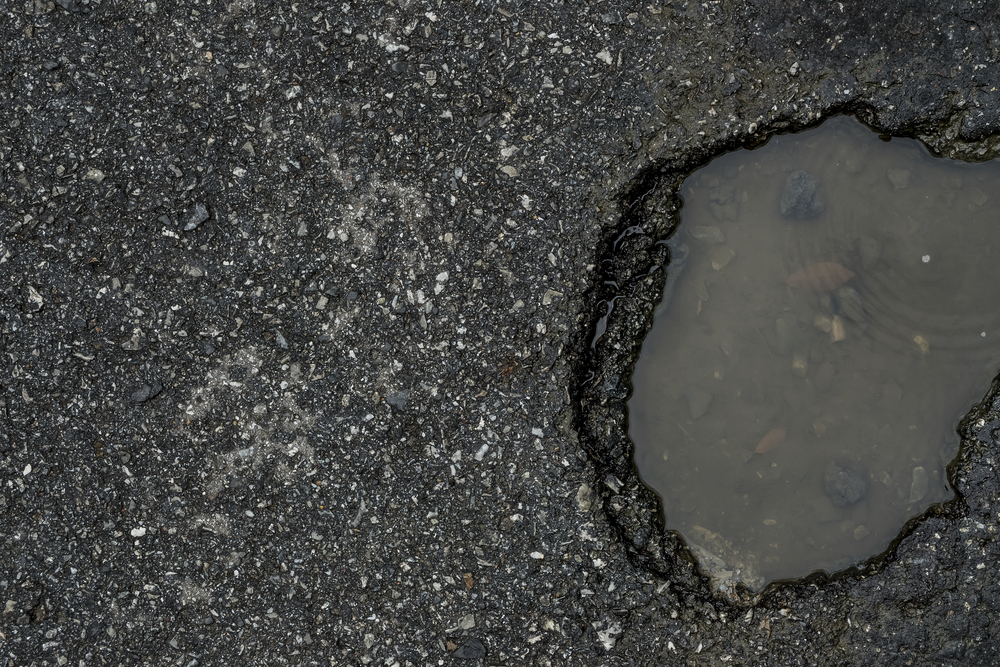
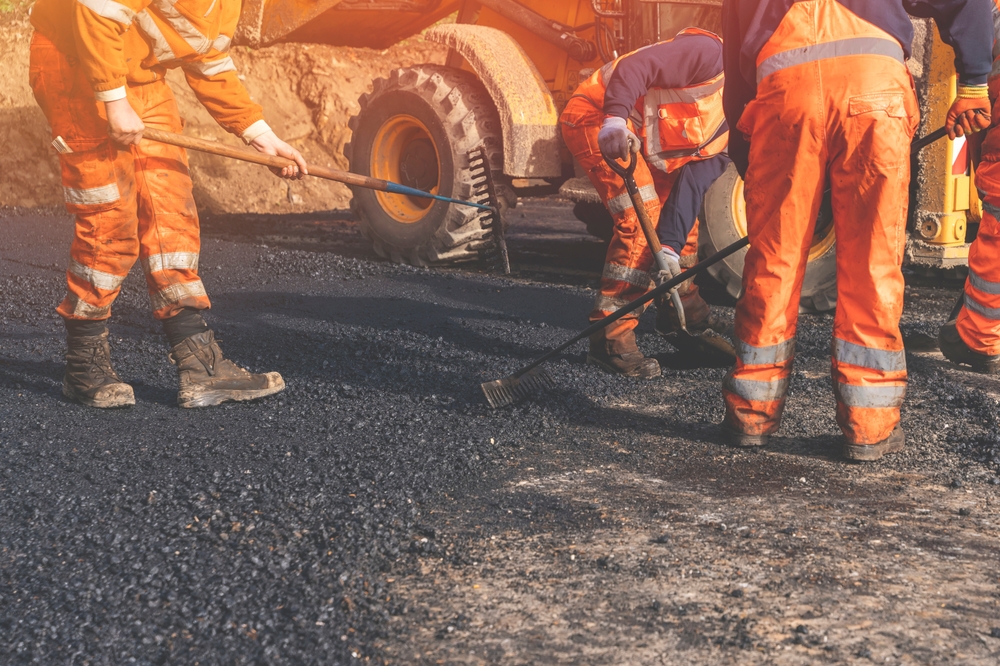
Asphalt paving and seal coating are essential services for property owners throughout Memphis, Tennessee who want to maintain their driveways, parking lots, and other paved surfaces. Whether you are a homeowner looking to install a new driveway or a business owner managing a commercial parking lot, understanding the basics of asphalt paving and seal coating can help you make informed decisions about your property investment. This comprehensive guide will walk you through everything you need to know about these important services in the Memphis area.
Understanding Asphalt Paving Basics
Asphalt paving is the process of laying down a smooth, durable surface made from asphalt concrete. This material consists of aggregate (stones and gravel) mixed with bitumen, a sticky petroleum product that binds the aggregate together. The resulting surface is strong, flexible, and ideal for roads, driveways, and parking lots throughout Memphis, TN.
When asphalt contractors in Memphis, Tennessee begin a paving project, they must prepare the base layer carefully. The foundation is critical to the longevity of your pavement. Contractors will remove any existing material, compact the soil, and add a base layer of stone. This preparation phase ensures that your new asphalt will have a stable foundation and will resist cracking and settling over time.
One of the main advantages of asphalt paving is its affordability compared to concrete. Asphalt is also faster to install, which means your driveway or parking lot can be ready for use more quickly. Additionally, asphalt has a dark appearance that melts snow more effectively in winter, which is helpful for Memphis property owners during occasional cold weather events.
The Importance of Regular Seal Coating
Seal coating is a protective layer applied over asphalt surfaces to extend their lifespan and maintain their appearance. This thin coating fills small cracks and voids in the asphalt, preventing water from seeping into the base layers below. When water infiltrates asphalt, it weakens the structure and causes the material to deteriorate more quickly.
In Memphis, TN, seal coating is particularly important due to the regional climate. The hot summers and occasional heavy rains can take a toll on unprotected asphalt. The ultraviolet rays from the sun cause the asphalt binder to oxidize, which makes the surface harder and more brittle over time. Seal coating creates a protective barrier that shields the asphalt from these damaging effects.
Regular seal coating applications can double the lifespan of your asphalt pavement. Most experts recommend applying seal coating every two to three years, depending on traffic levels and weather conditions. For Memphis property owners, this preventive maintenance approach is far more cost-effective than waiting until major repairs become necessary.
Choosing the Right Asphalt Contractors
Selecting qualified asphalt contractors in Memphis, Tennessee is one of the most important decisions you will make for your paving project. The quality of the work depends heavily on the skill, experience, and professionalism of the contractor you hire. Before making your choice, take time to research local companies and compare their qualifications.
Look for contractors who are licensed and insured, as this protects you in case of accidents or defects in their work. Ask for references from previous clients and take time to review their portfolios. A reputable contractor will be happy to show you examples of completed projects and connect you with satisfied customers who can speak to the quality of their work.
It is also wise to get multiple quotes from different contractors before making your decision. However, do not automatically choose the lowest bid. Instead, evaluate the overall value, considering the contractor’s experience, the quality of materials they use, and the warranty they offer. Professional asphalt contractors in Memphis, TN will provide detailed written estimates that outline all aspects of the project.
The Seal Coating Process Explained
Understanding how seal coating works can help you appreciate the value of this service for your Memphis property. The seal coating process begins with a thorough cleaning of the asphalt surface. Contractors use pressure washing equipment to remove dirt, debris, and any loose material that could prevent the seal coating from bonding properly.
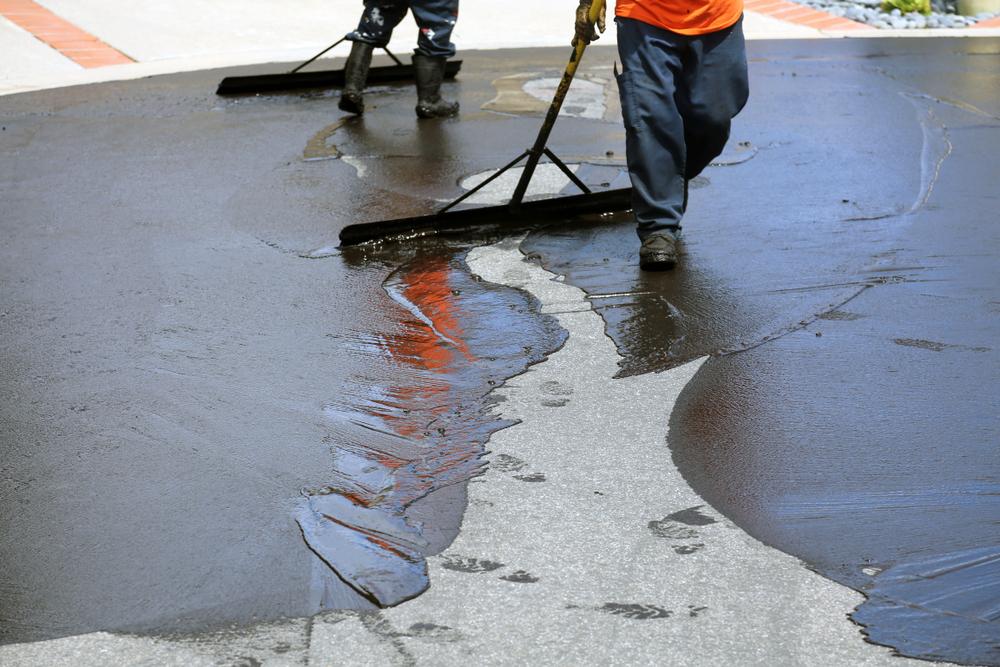
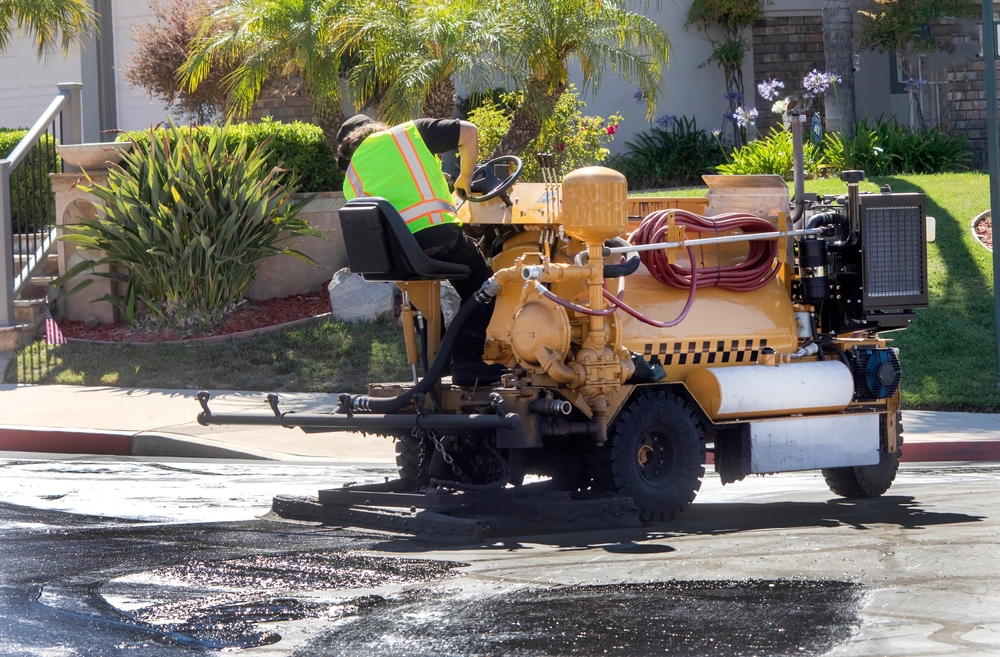
Once the surface is clean and dry, contractors apply the seal coating material using specialized equipment. The coating is typically made from either asphalt-based or coal tar-based products, each with different characteristics and durability levels. The application must be done carefully to ensure an even, consistent coating across the entire surface.
After application, the seal coating needs time to cure properly. Weather conditions are critical during this phase. Contractors in Memphis, TN typically recommend that you avoid driving on the newly sealed surface for at least 24 hours, and longer if humidity levels are high. This curing time allows the coating to harden and bond securely to the asphalt underneath.
Quality seal coating applications should create a glossy, dark appearance that makes your asphalt look new again. Beyond the aesthetic improvement, you are investing in protection that will save you money on future repairs and extend the life of your pavement significantly.
When to Schedule Asphalt Paving and Maintenance
Timing is important when it comes to asphalt maintenance in Memphis, Tennessee. The best time to apply seal coating is during the warmer months when temperatures are consistently above 50 degrees Fahrenheit. This allows the coating to cure properly. Spring and fall are often ideal times, though summer can also work well for seal coating projects.
For new asphalt paving projects, contractors typically recommend waiting six months to one year before applying the first seal coating. This allows the new asphalt to cure and harden completely. After this initial period, regular seal coating every two to three years will keep your pavement in excellent condition.
Pay attention to warning signs that indicate your pavement needs attention. Look for small cracks, potholes, fading color, or areas where the asphalt feels soft or sticky. Addressing these issues early with seal coating or minor repairs can prevent them from becoming major problems that require expensive repaving. Regular inspections of your property will help you catch problems before they progress.
Winter weather can also affect asphalt maintenance schedules. Memphis experiences occasional freezing temperatures, which can cause water that has penetrated the asphalt to freeze and expand, creating cracks and potholes. Having seal coating applied before winter can help prevent this type of damage.
Conclusion
Asphalt paving and seal coating are worthwhile investments for property owners throughout Memphis, TN. By understanding these services and maintaining your pavement with regular seal coating applications, you can extend the life of your asphalt surfaces and protect your property investment. When you are ready to move forward with a paving or seal coating project, take time to find qualified asphalt contractors in Memphis, Tennessee who can deliver quality work at competitive prices. Your driveway and parking lots will thank you for the proper care and attention.
Need Asphalt Pavers Near You?
If you’re looking for reliable, high-quality paving from a team that treats you like family, we’d love to hear from you; reach out to us at Prime Paving and Seal Coating today so we can show you the same honest workmanship, fair pricing, and no-pressure experience that have helped our family business grow through word of mouth across the Mid-South. Let’s talk about your project and create a long-lasting surface you can trust.
Your driveway is one of the most important features of your home’s exterior. In Memphis, Tennessee, the climate and weather conditions can be particularly tough on asphalt surfaces. Over time, your driveway will show signs of wear and tear that indicate it’s time for professional asphalt maintenance. Understanding when your driveway needs seal coating is crucial for protecting your investment and extending the lifespan of your asphalt. This guide will help you identify the key indicators that your Memphis driveway requires seal coating services.
Cracks and Fissures Appearing in Your Asphalt
One of the most obvious signs your driveway needs sealcoating is the appearance of cracks and fissures on the surface. These cracks start small, but they can quickly expand when exposed to Memphis’s varying temperatures and weather conditions. During hot summers, asphalt expands, and during cooler months, it contracts. This constant movement creates stress on the surface and causes small cracks to form.
When water seeps into these cracks, it penetrates the layers beneath the asphalt. As temperatures drop, this water freezes and expands, pushing the pavement upward and making the cracks even larger. This cycle of freeze-thaw damage is particularly common in Memphis during winter months. If you notice fine hairline cracks beginning to form on your driveway, it’s an excellent time to apply seal coating. The protective layer will seal these small cracks and prevent water from entering the base layers of your asphalt.
Waiting too long to address cracking can result in more expensive repairs. What starts as a simple seal coating job can escalate into resurfacing or complete replacement if the damage progresses. Regular driveway maintenance, Memphis homeowners will discover, saves money in the long run. By applying seal coating at the first signs of cracking, you’re essentially performing preventative maintenance that extends your driveway’s life by several years.
Fading Color and Oxidation of the Asphalt Surface
Another telltale sign that your driveway needs seal coating is a noticeable change in the color of your asphalt. New driveways have a rich, dark black appearance, but over time, exposure to the sun’s ultraviolet rays causes the surface to fade and become lighter in color. This fading is actually a sign of oxidation occurring on the asphalt surface.
Oxidation happens when the sun’s UV rays break down the binding materials in asphalt. This deterioration weakens the surface and makes it more vulnerable to damage from water, chemicals, and temperature changes. When you look at your driveway and notice it’s become gray or lighter than it once was, that’s oxidation at work. This is one of the most important signs your driveway needs sealcoating because it indicates the protective surface layer is wearing away.
In Memphis, Tennessee, with its hot summers and significant sun exposure, oxidation occurs relatively quickly. Homeowners in this region should plan for seal coating every two to three years to combat the effects of UV exposure. Applying a fresh seal coat not only restores the dark, attractive appearance of your driveway but also provides crucial protection against further oxidation. The seal coating acts as a barrier between the asphalt and the sun’s harmful rays, significantly slowing the oxidation process.
Water Pooling and Poor Drainage Issues
Standing water on your driveway is a red flag that indicates your asphalt needs attention. If you notice puddles or areas where water collects after rain, this suggests that your driveway’s surface has become uneven or is losing its ability to shed water properly. Poor drainage on a driveway is problematic because water is one of the primary enemies of asphalt.
Water damage occurs when moisture penetrates the asphalt and reaches the base layers underneath. This is particularly concerning in Memphis, where humidity levels can be high and rainfall is significant during certain seasons. When water sits on your driveway or seeps into cracks, it weakens the foundation and can lead to potholes, sinkholes, and extensive deterioration.
Asphalt sealcoating in Memphis helps address drainage issues by creating a smooth, impermeable surface that encourages water to run off quickly. A properly sealed driveway allows water to drain away from your home and prevents pooling. If you’re experiencing drainage problems on your current driveway, seal coating combined with minor surface repairs may solve the issue. However, if the problem persists after seal coating, you may need to consult with a professional about resurfacing or grading adjustments.
Potholes, Ruts, and Visible Surface Damage
Perhaps the most obvious indication that your driveway needs sealcoating or more extensive repairs is the presence of potholes, ruts, and other visible surface damage. These damage types occur when the foundation beneath the asphalt weakens due to water infiltration and traffic stress. A pothole starts as a small depression but can quickly become a hazard for vehicles and a safety concern for your family.
Ruts are wear patterns that develop from repeated tire traffic in the same areas. They indicate that the asphalt binder is breaking down and losing its structural integrity. While seal coating won’t repair existing potholes or ruts, it’s an important maintenance step to prevent additional damage from spreading. If your driveway has only minor surface damage, seal coating can still help by sealing any small openings and preventing water from causing further deterioration.
For more severe potholes or ruts, you’ll likely need patching or resurfacing before applying seal coating. A professional driveway maintenance company in Memphis, Tennessee can assess the damage and recommend the appropriate level of repair. Once the major damage is addressed, regular seal coating every two to three years will help prevent similar problems from developing in the future.
Loss of the Protective Seal and Visible Wear Patterns
The final sign that your driveway needs sealcoating is simply the age of your last seal coating application. Most seal coating applications last between two to three years, depending on traffic and weather conditions. If you cannot remember when your driveway was last sealed, or if it’s been more than three years, it’s definitely time to schedule seal coating service.
Over time, the protective seal coat wears away due to constant exposure to the elements and traffic. As the seal wears thin, the underlying asphalt becomes increasingly vulnerable to damage. You might notice areas where the seal is no longer providing protection, or you could see darkened patches where water has penetrated the surface. These visible wear patterns indicate that the protective barrier is failing and your asphalt needs immediate attention.
Regular driveway maintenance in Memphis, TN requires consistent seal coating applications. By keeping up with recommended maintenance schedules, you’ll dramatically extend the life of your driveway and maintain its appearance. The relatively modest investment in seal coating every few years prevents the need for expensive repairs down the road.
Conclusion
Recognizing the signs your driveway needs sealcoating is essential for protecting your property investment. Whether you notice cracks, fading color, poor drainage, surface damage, or simply realize it’s been too long since your last seal coating application, it’s time to contact a professional. Regular driveway seal coating in Memphis, Tennessee helps preserve your asphalt and keeps your home looking its best for years to come.
Need Asphalt Pavers Near You?
If you’re looking for reliable, high-quality paving from a team that treats you like family, we’d love to hear from you; reach out to us at Prime Paving and Seal Coating today so we can show you the same honest workmanship, fair pricing, and no-pressure experience that have helped our family business grow through word of mouth across the Mid-South. Let’s talk about your project and create a long-lasting surface you can trust.
Memphis is a city that sits at the crossroads of history, culture, and commerce, but beneath all of that character lies something far more practical: concrete. From driveways and sidewalks to patios and parking lots, concrete flatwork is everywhere in the Mid-South. And while concrete is one of the most durable building materials available, it is far from invincible. The unique climate and soil conditions in Memphis create a perfect storm for a range of concrete problems that homeowners and property managers deal with every year.
If you have noticed cracking, sinking, or surface deterioration on your property, you are not alone. Understanding the most common flatwork issues in this region, and knowing how to address them before they become expensive nightmares, is the key to protecting your investment for the long term.
1. Concrete Cracking Caused by Temperature Swings
One of the most widespread problems in Memphis is concrete cracking, and the local climate is largely to blame. Memphis experiences hot, humid summers and winters that regularly dip below freezing. This cycle of expansion and contraction puts enormous stress on concrete slabs over time.
When water seeps into small surface pores and then freezes, it expands and forces the concrete apart from within. This process, known as freeze-thaw cycling, is a leading cause of surface scaling, spalling, and deeper structural cracks. Even hairline cracks that seem minor at first can allow more water to enter, speeding up the deterioration process significantly.
Prevention starts at the installation stage. Properly mixed concrete with the right water-to-cement ratio, combined with adequate curing time, gives slabs the strength they need to resist temperature-related stress. Control joints should also be cut into flatwork at regular intervals to give the concrete a designated place to crack, keeping breaks confined to planned lines rather than spreading randomly across the surface. If cracking has already occurred, prompt concrete repair is essential to stop the damage from spreading further.
2. Soil Movement and Slab Settlement in Memphis
Another major contributor to flatwork issues in Memphis is the region’s soil. Much of the Mid-South sits on expansive clay soils that shrink when dry and swell when saturated with moisture. This constant movement beneath a concrete slab leads to uneven settling, where one section of a driveway or patio sinks lower than another.
Beyond aesthetics, settled slabs create tripping hazards, allow water to pool in unintended areas, and can eventually crack under the uneven pressure. In severe cases, voids form beneath the concrete entirely, leaving sections unsupported and vulnerable to collapse under vehicle or foot traffic.
Proper site preparation is the most effective way to combat this problem. Before pouring concrete, the subbase should be compacted thoroughly and, in some cases, treated or stabilized to reduce the impact of soil movement. Installing proper drainage to redirect water away from flatwork is equally important, since excess moisture is what triggers the most dramatic soil expansion in Memphis.
For existing slabs that have already settled, mudjacking and polyurethane foam lifting are two concrete repair methods that can raise sunken sections back to their original position without requiring a full replacement. These approaches are often faster and more affordable than tearing out and repuring the affected area.
3. Surface Scaling and Spalling From Deicers and Moisture
Surface deterioration is a common complaint among Memphis homeowners, particularly on driveways and walkways that receive heavy use. Scaling refers to the flaking or peeling of the top layer of concrete, while spalling describes deeper pitting and surface breakdown. Both conditions are unsightly and, left untreated, they compromise the structural integrity of the slab.
In Memphis, the use of chemical deicers during winter weather events is a significant contributing factor. Products containing calcium chloride or sodium chloride can accelerate the freeze-thaw damage discussed earlier and chemically attack the surface of the concrete itself. Even a single winter of heavy deicer use can trigger visible surface degradation on concrete that was not properly sealed or that was poured with a high water content.
The best concrete maintenance tips for avoiding this type of damage include applying a high-quality penetrating sealer to all flatwork before winter arrives and reapplying it every two to three years. Choosing sand or kitty litter for traction instead of chemical deicers is another practical step that protects your surface without introducing harmful compounds. For slabs that are already showing signs of scaling or spalling, a concrete resurfacer can restore the appearance and extend the life of the slab, though severely damaged concrete may need to be replaced entirely.
4. Tree Root Intrusion and Its Impact on Concrete Flatwork
Memphis is a city known for its beautiful tree canopy, but those same trees can be a major source of flatwork issues for residential and commercial properties. As tree roots grow outward in search of water and nutrients, they eventually reach concrete slabs and push upward from beneath, causing heaving, cracking, and significant displacement.
This is especially common in older neighborhoods where mature trees have had decades to spread their root systems. A sidewalk or driveway that runs beneath or near a large oak, elm, or sweetgum tree is particularly vulnerable. Once root intrusion begins, the damage tends to escalate quickly because roots continue to grow and exert pressure year after year.
Preventing root damage is largely a matter of planning. When installing new concrete, it is wise to keep flatwork as far as possible from large trees or to install root barriers that redirect growth away from the slab. For existing damage, the repair process typically involves removing the affected section of concrete, cutting or grinding the offending roots, and then repuring the slab. In cases where a beloved tree is involved, working with an arborist before making decisions about roots can help you find a solution that preserves the tree while protecting your concrete.
5. Poor Drainage Leading to Long-Term Concrete Damage
Water is arguably concrete’s biggest long-term enemy in Memphis, and poor drainage is one of the most overlooked causes of premature deterioration. When water is allowed to pond on or around concrete flatwork, it gradually works its way into the slab, weakening it from within and causing the soil beneath to shift, as discussed earlier.
In Memphis, where heavy rainfall events are common throughout the year, proper grading and drainage design are critical components of any concrete installation. Flatwork should be sloped slightly away from structures and toward drainage points to encourage water to run off rather than collect. French drains, catch basins, and channel drains can all be incorporated into the landscape to manage runoff effectively.
Concrete maintenance tips that address drainage include keeping gutters and downspouts clean and directed well away from concrete surfaces, filling in low spots that allow water to pool, and resealing flatwork regularly to reduce water absorption. If drainage problems are already causing visible damage such as widespread concrete cracking, erosion around slab edges, or significant settling, a professional assessment can identify the root cause and recommend targeted concrete repair solutions.
Conclusion
Memphis is a wonderful place to own property, but the local climate, soil conditions, and environmental factors mean that concrete requires more attention here than in many other parts of the country. Concrete cracking, surface scaling, slab settlement, root intrusion, and poor drainage are the five most common flatwork issues Memphis property owners face, and each one is manageable when addressed early with the right approach.
Whether you are taking proactive steps to protect new concrete through proper sealing and drainage planning or dealing with existing damage that requires professional concrete repair, staying informed about these challenges puts you in a much stronger position. Regular inspections, timely maintenance, and working with experienced local contractors are the foundation of a concrete care strategy that will serve your Memphis property well for decades to come.
Need Asphalt Pavers Near You?
If you’re looking for reliable, high-quality paving from a team that treats you like family, we’d love to hear from you; reach out to us at Prime Paving and Seal Coating today so we can show you the same honest workmanship, fair pricing, and no-pressure experience that have helped our family business grow through word of mouth across the Mid-South. Let’s talk about your project and create a long-lasting surface you can trust.
Between the summer heat that bakes asphalt to its breaking point and the occasional hard freezes that crack and shift pavement overnight, Memphis weather creates the perfect storm for pothole formation. Add in the constant weight of vehicle traffic, and it becomes clear why parking lot maintenance in Memphis, TN is not something businesses can afford to ignore.
Potholes are more than an eyesore. They expose your business to liability claims, damage customers’ vehicles, and signal neglect to anyone pulling into your lot. The good news is that with a proactive approach, Memphis business owners can dramatically reduce pothole formation and extend the life of their asphalt surfaces. Here is what you need to know.
Why Potholes Form in Memphis Parking Lots
Before you can prevent potholes, it helps to understand how they develop in the first place. Asphalt is a durable material, but it is not indestructible. In Memphis, TN, the freeze-thaw cycle is one of the leading causes of pavement deterioration. When water seeps into small cracks in the surface and temperatures drop below freezing, that water expands. As it thaws, it contracts again, widening the crack a little more each time. Over the course of a single winter, this process can turn a hairline fracture into a significant break.
Summer heat creates a different but equally damaging problem. Memphis summers are intense, and prolonged exposure to high temperatures causes asphalt binders to soften and lose their structural integrity. Heavy vehicles parked on softened asphalt can leave depressions that eventually develop into full potholes. UV radiation also oxidizes the surface over time, making it brittle and prone to cracking.
Poor drainage is another major contributor. When water pools on or beneath a parking lot surface, it weakens the base layers that support the asphalt above. Once that foundation is compromised, the surface above it has nothing solid to rest on, and collapse becomes inevitable. Understanding these causes is the foundation of any effective parking lot maintenance strategy in Memphis, TN.
The Importance of Regular Inspections and Early Detection
One of the most cost-effective things a Memphis business owner can do is schedule regular inspections of their parking lot. Catching damage early means the difference between a minor repair and a costly reconstruction. A crack that costs a few hundred dollars to seal today can turn into a pothole that requires thousands of dollars in commercial asphalt repair in Memphis if left untreated.
Inspections should take place at least twice a year, ideally in the spring after the winter freeze-thaw cycle has run its course, and again in the fall before temperatures drop. During each inspection, look for longitudinal and transverse cracking, alligator cracking (which resembles the skin of an alligator and indicates base failure), surface raveling, standing water, and any areas where the pavement feels soft or spongy underfoot.
Business owners who are unsure what to look for should hire a qualified asphalt contractor in Memphis to conduct a professional assessment. A trained eye can identify early-stage damage that an untrained one might miss entirely. Documenting the condition of your lot with photographs also gives you a clear record of how the surface changes over time, making it easier to plan maintenance budgets and prioritize repairs.
Crack Sealing and Sealcoating as Preventive Tools
Crack sealing and sealcoating are two of the most effective preventive maintenance strategies available to Memphis businesses. Both are significantly less expensive than commercial asphalt repair in Memphis, and both can add years to the life of a parking lot when applied correctly and on a regular schedule.
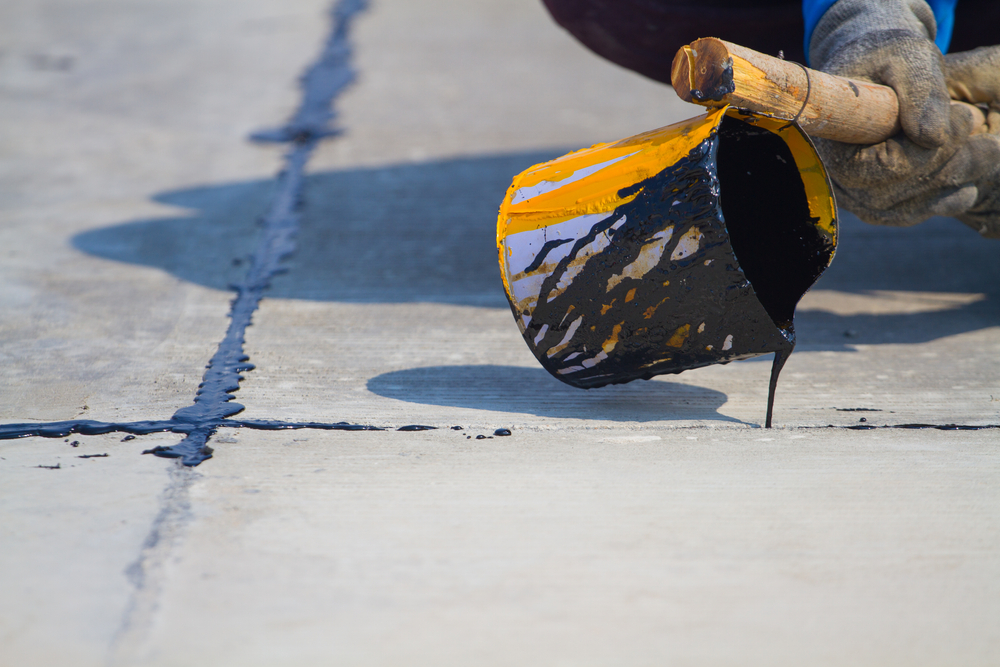
Crack sealing involves filling existing cracks with a hot rubberized sealant that flexes with the pavement as temperatures change. This prevents water from entering the crack and reaching the base layers below. For best results, crack sealing should be done as soon as cracks appear rather than waiting until they grow wider or longer. In Memphis, TN, the ideal time to seal cracks is during mild weather, typically in the spring or early fall, when temperatures are between 50 and 80 degrees Fahrenheit.
Sealcoating is applied over the entire surface of the parking lot and serves as a protective barrier against UV rays, water intrusion, and chemical spills such as oil and gasoline. A fresh coat of sealant also restores the dark color of the asphalt, making it look well maintained and professional. Most parking lot maintenance professionals in Memphis recommend sealcoating every two to three years, depending on the volume of traffic the lot receives. Keep in mind that sealcoating should only be applied to pavement that is structurally sound; if alligator cracking or base failure is already present, those issues must be addressed first.
Improving Drainage to Protect Your Asphalt Investment
Proper drainage is critical to preventing potholes in Memphis parking lots, yet it is one of the most overlooked aspects of pavement maintenance. Water is asphalt’s greatest enemy, and a lot that does not drain correctly will deteriorate far faster than one that channels water away efficiently.
If you notice standing water on your parking lot after a rainstorm, that is a red flag. Pooling water indicates that the lot was not graded properly, that drainage structures such as catch basins and drains are clogged or inadequate, or that the pavement has settled unevenly over time. Each of these issues requires attention from a qualified contractor who specializes in parking lot maintenance in Memphis, TN.
Regular maintenance of drainage infrastructure is just as important as maintaining the pavement itself. Catch basins should be cleared of debris at least twice a year, and any areas where water consistently collects should be evaluated for regrading or the installation of additional drainage solutions. In some cases, French drains or surface grading adjustments can redirect water away from vulnerable areas of the lot. Addressing drainage problems early is one of the smartest investments a Memphis business can make in the long-term health of its asphalt.
Choosing the Right Contractor for Commercial Asphalt Repair in Memphis
Not all asphalt contractors are created equal, and choosing the right one for commercial asphalt repair in Memphis can make a significant difference in the quality and longevity of the work performed. When your parking lot does require repairs, working with a reputable local contractor ensures that the job is done with materials and techniques suited to Memphis’s specific climate conditions.
When evaluating contractors, look for companies with demonstrated experience in commercial work. Residential driveways and large commercial parking lots have different demands, and a contractor who primarily works on driveways may not be equipped to handle the scale or complexity of a commercial project. Ask for references from other Memphis businesses, and take the time to look at past projects if possible.
Get at least three written estimates before committing to any contractor. The lowest bid is not always the best value; pay attention to the materials specified, the scope of work included, and the warranty offered. A contractor who uses high-quality hot-mix asphalt and backs their work with a written guarantee is worth more than one who cuts corners to offer a lower price.
Also confirm that the contractor is properly licensed and insured in Tennessee. This protects your business in the event of an accident or property damage during the repair process.
Conclusion
Preventing potholes in your Memphis, TN parking lot is not a one-time task; it is an ongoing commitment to proactive care. By understanding how potholes form, conducting regular inspections, investing in crack sealing and sealcoating, maintaining proper drainage, and partnering with a qualified contractor for commercial asphalt repair in Memphis, your business can avoid the costly cycle of reactive repairs and keep your property looking its best year-round.
A well-maintained parking lot reflects positively on your brand, protects your customers and their vehicles, and preserves the value of your commercial property for years to come. In a competitive market like Memphis, TN, that kind of attention to detail can set your business apart in ways that matter.
Need Asphalt Pavers Near You?
If you’re looking for reliable, high-quality paving from a team that treats you like family, we’d love to hear from you; reach out to us at Prime Paving and Seal Coating today so we can show you the same honest workmanship, fair pricing, and no-pressure experience that have helped our family business grow through word of mouth across the Mid-South. Let’s talk about your project and create a long-lasting surface you can trust.
For homeowners in Memphis, TN considering a new driveway or parking lot, understanding the asphalt installation process is essential. Asphalt is a popular paving material due to its durability, smooth finish, and cost-effectiveness. Whether you are planning new driveway paving for your home or upgrading a commercial parking lot, knowing the process can help you set realistic expectations and ensure the work is done correctly.
Asphalt installation involves a detailed sequence of steps that must be followed precisely to ensure a long-lasting surface. From initial planning and excavation to the final compaction and curing, each phase plays a crucial role in the integrity of the finished product. Memphis weather conditions, soil types, and local paving standards can also influence how each step is executed. Therefore, hiring a reputable contractor who understands these regional factors is vital to achieving optimal results.
This guide breaks down the asphalt paving steps for Memphis homeowners to better understand what goes into a quality asphalt installation.
Site Preparation and Excavation
The first and perhaps most critical phase of any asphalt installation is site preparation. In Memphis, TN, this means accounting for the region’s specific climate conditions, such as warm summers and occasional freezing in winter, which can affect soil stability and drainage. The goal of site preparation is to create a stable, even foundation for the new pavement.
The process begins by removing the existing surface, whether it is grass, gravel, concrete, or an old layer of asphalt. Excavation may involve removing several inches of topsoil to expose a firm base. In areas with weak or clay-heavy soil, contractors may need to excavate deeper or bring in stronger aggregate material to support the pavement.
Grading follows excavation and is essential for ensuring proper water drainage. If water is allowed to pool on the surface or seep into the base, it can lead to cracks and potholes over time. Professional contractors will grade the surface with a slight slope to direct water away from structures and paved areas.
Finally, a geotextile fabric may be applied to prevent soil movement and reinforce the structure beneath the asphalt. This is especially important for new driveway paving in residential areas where soil shifting is more likely to cause damage.
Installing the Aggregate Base Layer
Once the site has been excavated and graded, the next step is laying down the aggregate base layer. This crushed stone or gravel layer is vital for the strength and longevity of the asphalt pavement. It provides a stable foundation that supports the asphalt and helps distribute weight evenly across the surface.
In Memphis, where heavy rains can saturate the ground, proper compaction of this base layer is crucial. If the base is too loose or uneven, it can lead to premature failure of the asphalt surface. Contractors use vibratory rollers to compress the aggregate until it reaches the required density. This prevents shifting or settling over time and ensures that the asphalt on top remains smooth and intact.
The thickness of the base layer varies depending on the intended use of the pavement. For example, parking lot paving for commercial properties may require a thicker base than residential driveways, due to the heavier loads it must accommodate.
Contractors also test the compaction and stability of the base before moving on to the next step. This ensures that the site is ready to support the asphalt and will not develop weak spots after installation.
Laying the Asphalt
With the base prepared and compacted, the next phase is applying the asphalt itself. This step requires precision and experience to get the thickness, temperature, and layout just right. In Memphis, asphalt is typically laid during the warmer months to ensure proper curing and adhesion.
Hot mix asphalt is delivered to the site and poured onto the prepared base. It must be kept at the correct temperature to remain workable. If it cools too quickly, it can become stiff and difficult to spread, resulting in an uneven surface.
Contractors use specialized paving machines to spread the asphalt uniformly across the surface. This ensures consistency in thickness and prevents any low or high spots. For areas that are hard to reach, such as narrow residential driveways, workers may spread the asphalt by hand using rakes and lutes.
The first layer, known as the binder course, contains larger aggregates for added strength. A second layer, called the surface course, uses smaller aggregates for a smoother finish and better aesthetics. Both layers must be laid quickly and compacted thoroughly to avoid seams or weak joints that could crack over time.
Proper compaction is especially important in this phase. Using a steel drum roller or a pneumatic roller, contractors compact the asphalt while it is still hot. This locks in the aggregates, reduces air voids, and ensures a smooth, even finish.
Curing and Final Touches
After the asphalt is laid and compacted, the surface must be allowed to cure. In Memphis, curing time may vary depending on temperature and humidity, but typically the new surface should not be used for at least 24 to 48 hours.
During curing, the asphalt hardens and bonds together, developing its full strength. Driving on the surface too soon can cause depressions or ruts, particularly in warm weather when the material is still pliable.
Once cured, the final touches are completed. This may include striping for parking lot paving, adding curbs or barriers, or sealing the surface to protect it from UV rays and moisture. Sealing is not typically done immediately after installation but is recommended a few months later to enhance durability and appearance.
Homeowners should also be given maintenance guidelines, such as when to apply sealcoat, how to clean the surface, and what weight limits should be observed. These instructions can extend the lifespan of the new pavement and prevent costly repairs.
Common Mistakes to Avoid
Asphalt installation is a complex process, and mistakes at any stage can lead to poor performance or early failure. One common issue in Memphis is insufficient site preparation. Skipping proper excavation or using a subpar base can cause the pavement to settle unevenly or crack within a year.
Another frequent problem is poor drainage. Water pooling on the surface or seeping into the base layer will gradually undermine the pavement’s integrity. Ensuring the site is properly graded and adding drainage features like channels or swales can prevent this.
Inexperienced contractors may also rush the job or use asphalt at the wrong temperature. If the mix is too cold, it will not bond properly; if too hot, it can overheat the surface and become brittle.
Finally, skipping regular maintenance, such as sealing and crack repair, will significantly reduce the lifespan of the asphalt. Even a well-installed surface can deteriorate without proper care, especially in a climate like Memphis that experiences both heat and occasional frost.
Conclusion
Installing asphalt in Memphis, TN is a detailed process that requires careful planning, expert execution, and attention to local conditions. Whether you are pursuing new driveway paving for your home or a parking lot paving project for your business, understanding the key steps involved helps you make informed decisions and ensures a successful outcome.
From excavation and base preparation to the final compaction and curing, every phase is essential in creating a strong, long-lasting surface. Partnering with experienced professionals who understand the unique challenges of asphalt installation in Memphis will give you peace of mind and a surface that performs well for years.
Investing in quality asphalt paving not only improves curb appeal but also adds value and functionality to your property. With proper installation and maintenance, your new pavement will stand up to the demands of everyday use and the elements of the Mid-South climate.
Need Asphalt Pavers Near You?
If you’re looking for reliable, high-quality paving from a team that treats you like family, we’d love to hear from you; reach out to us at Prime Paving and Seal Coating today so we can show you the same honest workmanship, fair pricing, and no-pressure experience that have helped our family business grow through word of mouth across the Mid-South. Let’s talk about your project and create a long-lasting surface you can trust.