

How Often Should You Sealcoat Your Driveway in Memphis, TN?
Maintaining a residential driveway in Memphis requires more than just sweeping away debris or patching occasional cracks. The fluctuating temperatures, heavy rains, and UV exposure from the sun can wreak havoc on asphalt surfaces over time. That’s why driveway sealcoating plays such a vital role in long-term driveway protection. But one of the most common questions homeowners ask is: how often should you sealcoat your driveway?
The answer depends on several factors, including the age of your asphalt, the local climate, usage levels, and the quality of the initial installation. For homeowners in Memphis, understanding the regional environmental conditions and tailoring an appropriate asphalt maintenance schedule can extend the life of a driveway and save thousands in future repair or replacement costs.
The Importance of Driveway Sealcoating
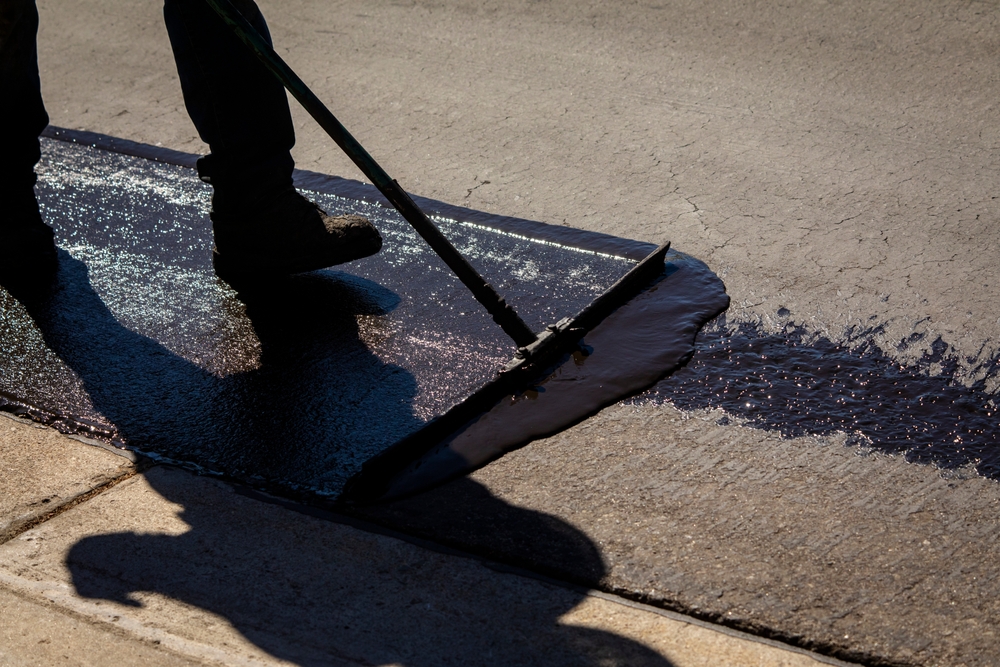
Sealcoating is the process of applying a protective layer over asphalt surfaces to shield them from damaging elements such as UV rays, water, oils, and chemicals. This coating also enhances the appearance of your driveway by restoring the rich black color of fresh asphalt, making it look newer and more polished.
In Memphis, where the climate ranges from hot, humid summers to cold, wet winters, asphalt can quickly deteriorate if left untreated. Water penetration is particularly dangerous; once it seeps into cracks, it can freeze during colder months and expand, causing those cracks to widen. In the summer, intense sunlight and high temperatures oxidize the asphalt, making it brittle and more susceptible to cracking.
Sealcoating addresses these issues by forming a waterproof barrier and reducing the rate of oxidation. It also smooths the surface, making it easier to clean and reducing wear from vehicle traffic. Residential asphalt care in Memphis should therefore include regular sealcoating as a preventative measure, not just a cosmetic one.
Understanding the Climate in Memphis, TN
To create an effective maintenance strategy for your driveway, it’s essential to take local weather patterns into account. Memphis experiences all four seasons, and each has implications for asphalt maintenance. Summers are long, hot, and humid, which accelerates asphalt oxidation and softening. Winters, while relatively mild, still present freeze-thaw cycles that can impact untreated driveways.
Rainfall is fairly evenly distributed throughout the year, with Memphis receiving an average of over 50 inches annually. Consistent moisture exposure can compromise unsealed asphalt, allowing mold, algae, and vegetation to grow in cracks, further degrading the surface.
These regional conditions make driveway protection a year-round priority. Driveways without a protective sealcoat can begin to show signs of aging and damage within just one or two years. On the other hand, an asphalt maintenance schedule that includes timely sealcoating can double or even triple the lifespan of your pavement.
Ideal Frequency for Sealcoating in Memphis
So, how often should you actually sealcoat your driveway in Memphis? As a general rule, most professionals recommend sealcoating every two to three years. However, that timeframe can vary depending on specific conditions.
For new asphalt, it’s important to wait at least 6 to 12 months before applying the first sealcoat. This allows the asphalt to fully cure and release any volatile oils that might interfere with the adhesion of the sealcoat. After the first application, follow a regular schedule based on visual inspection and environmental exposure.
In high-traffic residential areas, or where vehicles frequently leak oil or fluids, more frequent sealing may be required. Likewise, if your driveway is shaded and subject to moss or mildew growth, sealing may help prevent the organic material from penetrating and weakening the surface.
On the other hand, over-sealing can also cause problems. Excessive layers can lead to peeling and cracking, especially in Memphis where temperature extremes cause the pavement to expand and contract. That’s why sticking to a carefully spaced schedule based on local conditions is key to effective residential asphalt care.
Signs That It’s Time to Sealcoat
Even if you follow a set schedule, it’s important to be on the lookout for signs that your driveway may need sealcoating sooner than expected. These signs include a faded gray color, visible hairline cracks, loss of surface texture, or water no longer beading on the surface. If you notice puddles forming after rain or patches where the asphalt appears dry and brittle, it may be time for a fresh application.
Homeowners in Memphis should conduct a visual inspection every spring, especially after winter weather and storms. Small cracks and worn areas are much easier and cheaper to address early than allowing them to grow into larger structural problems. Sealcoating is not a repair method for deep potholes or significant damage, but it does act as a preventative solution that stops minor issues from escalating.
It’s also important to schedule sealcoating during the right time of year. In Memphis, late spring through early fall is generally the best window for application, since temperatures should be consistently above 50°F and the weather should be dry for at least 24 hours after the treatment.
Professional vs. DIY Sealcoating
While some Memphis homeowners choose to apply sealcoat themselves, hiring a professional often ensures a more durable and even finish. Professionals have access to high-grade materials that aren’t typically available in retail stores, and they bring experience in surface preparation, application techniques, and appropriate curing times.
DIY kits can be cost-effective for small driveways, but improper application may result in uneven protection or premature wear. In addition, DIY sealcoating may not last as long, which could lead to reapplication within a year rather than the expected two to three years.
Another key consideration is timing. Professionals can complete the job more quickly and with minimal disruption. Since the driveway must be free of foot and vehicle traffic for at least 24 to 48 hours after sealcoating, a fast, professional job can make this process much less inconvenient.
Ultimately, whether you go the DIY route or hire a pro, the most important thing is consistency. Skipping years or ignoring visible signs of wear can result in higher long-term costs. A well-maintained driveway not only looks better but also adds curb appeal and resale value to your home.
Conclusion
Driveway sealcoating is an essential part of long-term residential asphalt care in Memphis. With its hot summers, wet winters, and frequent rainfall, the region’s climate presents unique challenges that can rapidly wear down unprotected asphalt surfaces. By sealcoating your driveway every two to three years and keeping an eye out for signs of early wear, you can ensure your investment remains strong and attractive for years to come.
Incorporating sealcoating into your regular asphalt maintenance schedule prevents costly repairs, enhances the appearance of your home, and contributes to long-term driveway protection. Whether you choose to handle the task yourself or bring in professionals, staying proactive with your maintenance approach will save time, money, and stress. For Memphis homeowners looking to protect their driveways and maximize their property’s appeal, sealcoating is not just a good idea; it’s a necessity.
Need Asphalt Pavers Near You?
If you’re looking for reliable, high-quality paving from a team that treats you like family, we’d love to hear from you; reach out to us at Prime Paving and Seal Coating today so we can show you the same honest workmanship, fair pricing, and no-pressure experience that have helped our family business grow through word of mouth across the Mid-South. Let’s talk about your project and create a long-lasting surface you can trust.