

Best Time of Year for Asphalt Paving in Memphis & the Mid-South
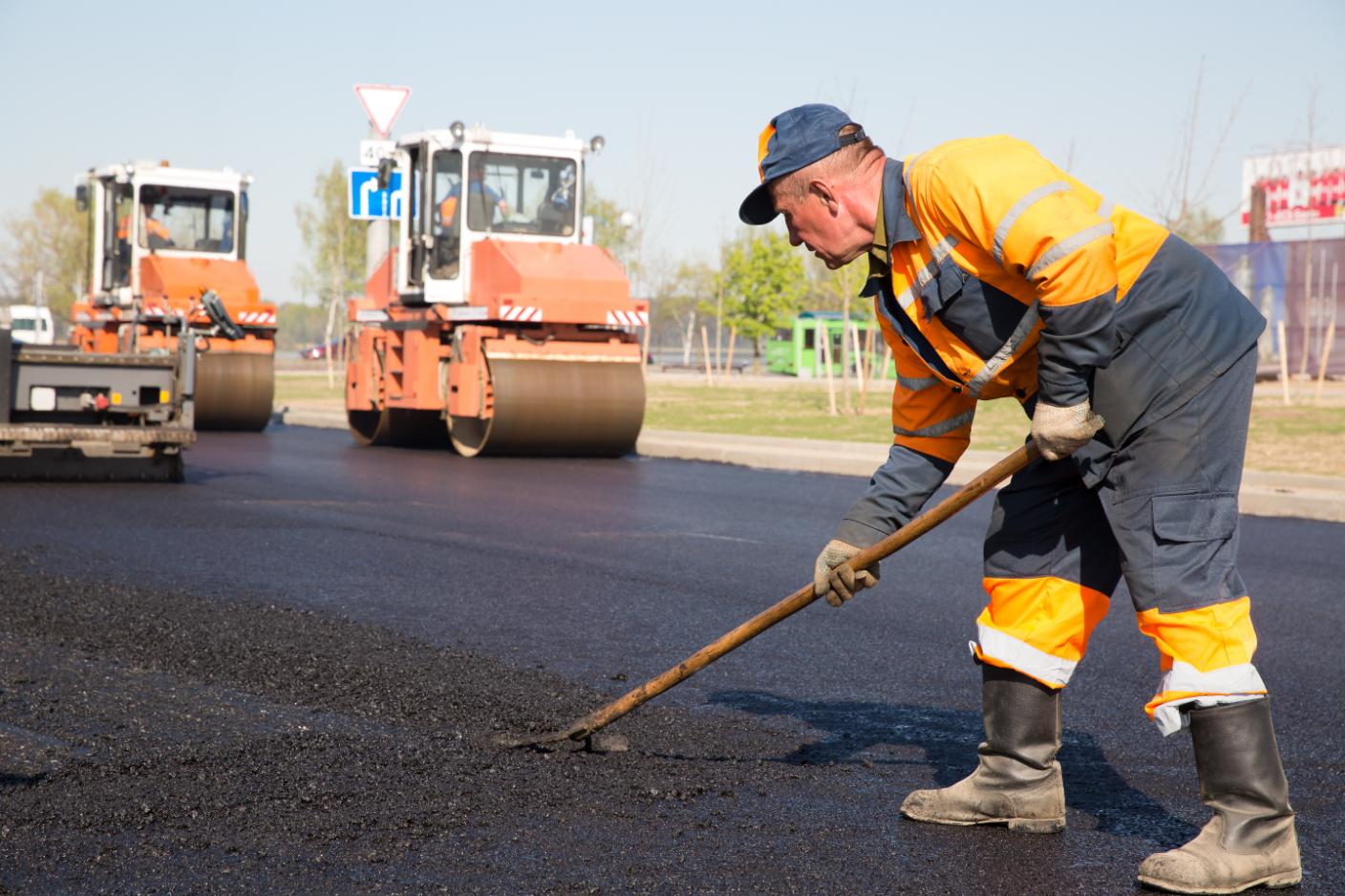
Asphalt paving in Memphis requires more than choosing a convenient date on the calendar. Between hot, humid summers, heavy spring rainfall, and unpredictable winter temperatures, Mid-South weather can affect how asphalt is installed, compacted, and maintained. Choosing the right season can help homeowners and business owners avoid unnecessary delays and get better long-term performance from their pavement.
The best time of year for asphalt paving in Memphis and the Mid-South is generally late spring through early fall, especially May through October. During these months, warmer ground temperatures typically support proper asphalt placement and compaction. However, dry weather, pavement temperature, and project conditions matter more than the month alone. Spring and fall often provide comfortable working conditions, while summer can also be excellent for paving when extreme heat and afternoon storms are managed.
What Memphis Property Owners Should Know
-
Late spring and early fall are often ideal because temperatures are generally favorable for asphalt installation.
-
Summer paving is common throughout Shelby County, although high heat and sudden thunderstorms can affect scheduling.
-
Winter asphalt paving can be challenging because cold ground temperatures cause hot-mix asphalt to cool faster.
-
Rain and standing water can delay installation, particularly on properties with drainage problems.
-
Proper site preparation and compaction matter just as much as the season when planning a driveway, parking lot, or roadway project.
For property owners in Memphis, Germantown, Bartlett, Collierville, and surrounding Mid-South communities, understanding these seasonal differences can make scheduling a paving project much easier.
At Prime Paving and Seal Coating, we understand that local weather conditions are an important part of planning asphalt work. Whether you’re considering a new driveway, parking lot paving, or repairs to an existing asphalt surface, choosing the right installation window helps support a successful project.
How Memphis Weather Affects Asphalt Paving
Memphis weather affects asphalt paving because temperature, rainfall, humidity, and ground conditions influence how efficiently crews can prepare a surface, place hot asphalt, and compact it. Warm, dry conditions generally provide the best installation opportunities, while saturated ground and colder temperatures can complicate the process.
The Mid-South experiences a humid subtropical climate, with hot summers, relatively mild winters, and rainfall throughout the year.
According to the general climate patterns documented by the National Weather Service, the Memphis area experiences significant seasonal temperature changes and frequent precipitation.
These conditions create several practical considerations for paving projects:
-
Warm weather helps keep hot-mix asphalt workable during placement and compaction.
-
Heavy rainfall can saturate the underlying soil and aggregate base.
-
Cold weather reduces the time available to compact asphalt properly.
-
Extended summer heat can affect working conditions and project scheduling.
Because pavement performance depends heavily on installation quality, selecting a suitable weather window is one of the most useful planning decisions a property owner can make.
Best Seasons for Asphalt Paving in Memphis
The best seasons for asphalt paving in Memphis are generally late spring, summer, and early fall, when temperatures are warm enough for efficient asphalt placement and compaction. Each season offers advantages, but rainfall, surface conditions, and project size can influence which time works best.
Spring Asphalt Paving: March Through May
Spring can be a good time for asphalt paving once temperatures become consistently warm and the ground has dried sufficiently.
March may still bring cooler mornings and fluctuating weather, so projects scheduled in April or May often have more favorable temperature conditions.
However, spring rainfall is a major consideration throughout Shelby County.
Heavy rain can leave driveway foundations, parking lot subgrades, and construction areas too wet for proper preparation.
Best spring paving conditions include:
-
Consistently warm daytime temperatures.
-
Dry or adequately drained ground.
-
No significant rainfall expected during installation.
-
Sufficient time for grading and base preparation.
Spring is also a practical time to address pavement damage that became more noticeable during winter.
Summer Asphalt Paving: June Through August
Summer is one of the most favorable seasons for asphalt paving in Memphis because consistently warm temperatures help keep hot-mix asphalt workable during installation.
Warmer pavement and ground temperatures can provide crews with more time to spread and compact asphalt before it cools.
This is especially useful for larger commercial parking lots and other projects requiring coordinated paving operations.
However, Memphis summers also bring challenges.
High humidity, intense afternoon heat, and scattered thunderstorms can affect work schedules.
For residential driveways in areas such as East Memphis and Cordova, scheduling around forecasted storms can help prevent unnecessary interruptions.
Fall Asphalt Paving: September Through November
Early fall is often an excellent time for asphalt paving in the Mid-South because temperatures remain relatively warm while extreme summer heat becomes less common.
September and October can provide particularly favorable paving opportunities.
For commercial properties, fall paving may also offer a useful opportunity to complete parking lot improvements before winter.
As November progresses, cooler mornings and shorter daylight hours can narrow the available installation window.
The key is scheduling while ground and air temperatures remain suitable for the asphalt mixture and project specifications.
Winter Asphalt Paving: December Through February
Winter is generally the least favorable season for major asphalt paving projects in Memphis because colder temperatures can cause hot-mix asphalt to lose heat too quickly.
Asphalt must be compacted while it remains within an appropriate temperature range.
When the mixture cools too rapidly, achieving the required pavement density becomes more difficult.
Although the Mid-South typically experiences milder winters than northern states, freezing temperatures, winter rain, and occasional ice can still create problems.
Some repairs may be possible during favorable winter weather, but major paving projects often benefit from waiting for a more reliable installation window.
Warning Signs Your Asphalt Needs Attention Before the Next Paving Season
Warning signs that asphalt needs attention include spreading cracks, standing water, potholes, and deteriorating pavement edges. Memphis property owners should inspect these conditions before scheduling work because some problems require repairs or base corrections rather than a simple new asphalt surface.
Watch for these common issues:
-
Alligator cracking: Connected cracks resembling reptile skin can indicate structural fatigue or problems beneath the asphalt.
-
Standing water: Puddles that remain after rain may suggest improper drainage or pavement settlement.
-
Potholes: Open holes can allow additional water into the pavement structure and create hazards.
-
Fading and oxidation: A gray, weathered appearance can indicate aging asphalt, although color alone does not establish the need for replacement.
-
Crumbling pavement edges: Weak edges may deteriorate further under vehicle traffic.
-
Uneven pavement: Depressions, ruts, and raised sections can indicate settlement or other underlying problems.
-
Widening cracks: Cracks that continue expanding can allow more moisture into the pavement structure.
These warning signs are especially worth monitoring after periods of heavy rainfall or winter temperature fluctuations.
When Should You Call an Asphalt Paving Professional?
You should contact an asphalt paving professional when cracks become widespread, potholes repeatedly return, drainage problems persist, or pavement begins to settle. These conditions may require an evaluation of the underlying base, not just the visible asphalt surface.
Homeowners can safely monitor small cracks, document areas where water collects, and remove loose debris from paved surfaces.
However, diagnosing structural pavement failure and determining whether resurfacing or replacement is appropriate generally requires professional evaluation.
For commercial properties in Memphis, early assessment can also help minimize parking disruptions, vehicle damage risks, and accessibility concerns.
Common Causes of Asphalt Damage in the Mid-South
Common causes of asphalt damage in the Mid-South include water infiltration, insufficient base support, repeated vehicle loading, and long-term exposure to heat and weather. Seasonal temperature changes can make existing weaknesses more noticeable, particularly when moisture enters cracks or accumulates beneath the pavement.
1. Poor Drainage and Heavy Rainfall
Memphis receives rainfall throughout the year, making drainage an important part of pavement performance.
Water that enters cracks or collects beneath the surface can weaken supporting materials and contribute to pavement deterioration.
2. Unstable or Poorly Prepared Soil
Parts of the Mid-South have clay-rich soils that can change in moisture content and stability.
If the underlying soil and aggregate base are not properly prepared, pavement may experience settlement, cracking, or deformation.
3. Heavy Vehicle Traffic
Commercial parking lots, delivery areas, and industrial properties in communities such as Southaven and Olive Branch may experience repeated loading from trucks and other heavy vehicles.
Pavement thickness and base design should account for anticipated traffic.
4. Heat and Oxidation
Long-term exposure to sunlight, oxygen, and high temperatures gradually ages asphalt binder.
Over time, pavement can become more brittle and susceptible to cracking.
5. Delayed Maintenance
Small cracks and drainage problems can become more expensive to address when left untreated.
Routine inspections and timely maintenance help property owners identify issues before they become extensive.
How to Prepare Your Property for Asphalt Paving
Preparing your property for asphalt paving in Memphis involves checking drainage, evaluating existing pavement, clearing access areas, and selecting a suitable weather window. These steps help reduce installation delays and ensure the paving plan addresses the conditions that affect long-term pavement performance.
Before your project:
-
Inspect the driveway or parking lot for cracks, potholes, and drainage issues.
-
Identify locations where water regularly collects after storms.
-
Remove vehicles and movable obstacles from the work area.
-
Discuss grading and drainage concerns before installation begins.
-
Ask about the recommended pavement thickness and base preparation.
-
Plan alternate parking or access arrangements during construction.
-
Follow the paving contractor’s instructions before reopening the surface to traffic.
For commercial properties, coordinating paving work around customer traffic, deliveries, and employee parking can reduce operational disruptions.
What Results Should You Expect From Professional Asphalt Paving?
Professional asphalt paving should produce a properly graded, compacted, and finished surface suited to the property’s intended use. In Memphis, the expected results depend on existing soil conditions, drainage, base construction, pavement thickness, traffic loads, and the weather during installation.
A completed project should generally provide:
-
A smoother driving or parking surface.
-
Appropriate drainage away from vulnerable areas.
-
Compacted asphalt designed for the intended traffic.
-
Defined transitions to adjoining pavement or structures.
-
Clear instructions for initial use and ongoing maintenance.
New asphalt does not eliminate the need for maintenance.
Routine inspections, timely crack repairs, and appropriate sealcoating can help protect the pavement as it ages.
Common Asphalt Paving Mistakes Memphis Property Owners Should Avoid
Common asphalt paving mistakes in Memphis include scheduling without considering weather, overlooking drainage, and focusing only on the visible asphalt layer. Avoiding these mistakes helps property owners make better decisions about installation timing, project scope, and future maintenance.
Mistake: Scheduling paving immediately after heavy rain.
Consequence: Saturated ground may delay preparation or compromise the supporting base.
Better approach: Allow time for the site to drain and confirm that underlying materials are suitable for construction.
Mistake: Choosing the cheapest solution without evaluating pavement damage.
Consequence: Surface repairs may fail prematurely if structural problems remain.
Better approach: Determine whether patching, resurfacing, or replacement addresses the actual cause.
Mistake: Ignoring drainage.
Consequence: Standing water can accelerate pavement deterioration.
Better approach: Address grading and water movement during project planning.
Mistake: Assuming all warm days are suitable for paving.
Consequence: Rainfall, surface conditions, and other factors may still prevent proper installation.
Better approach: Evaluate the complete weather forecast and project requirements rather than temperature alone.
Common Local Scenario: Planning a Memphis Driveway Replacement
A common local scenario involves a homeowner in Bartlett or Germantown who notices widening driveway cracks and standing water after several spring storms.
The homeowner may initially consider adding a new asphalt layer over the existing driveway.
However, if the driveway has significant settlement or an unstable base, an overlay alone may not resolve the problem.
A more effective approach begins with evaluating the existing pavement, checking drainage, and determining whether repairs or full replacement are needed.
If replacement is appropriate, scheduling the work during a warm, dry period in late spring, summer, or early fall can provide favorable installation conditions.
This is an illustrative scenario, not a description of a specific completed project.
Asphalt Paving and Maintenance Services to Consider
Asphalt paving and maintenance services should be selected according to pavement condition, traffic demands, drainage, and the property’s long-term needs. Memphis homeowners and commercial property managers may benefit from different solutions depending on whether they are installing new pavement or maintaining an existing surface.
New Asphalt Installation
New asphalt installation is appropriate for properties that need a paved surface or have existing pavement that is no longer suitable for repair.
Asphalt Repair and Patching
Patching can address localized potholes and damaged areas when the surrounding pavement and underlying structure remain serviceable.
Asphalt Resurfacing
Resurfacing adds a new asphalt layer over suitable existing pavement. It may be appropriate when the base remains structurally sound.
Sealcoating
Sealcoating is a preventive maintenance treatment for suitable existing asphalt surfaces.
It can help protect the surface from weathering and improve appearance, but it does not repair structural failures.
Comparing Asphalt Repair, Resurfacing, and Replacement
Choosing between asphalt repair, resurfacing, and replacement depends on how much pavement is damaged and whether the underlying base remains stable. For Mid-South properties, drainage and moisture-related damage should be evaluated before selecting a solution.
| Option | Best For | Main Consideration |
|---|---|---|
| Asphalt patching | Localized potholes and isolated damage | Does not correct widespread structural failure |
| Asphalt resurfacing | Aging pavement with a sound underlying structure | Existing base and drainage must be suitable |
| Full replacement | Extensive deterioration or significant base problems | Requires more preparation and construction work |
| Sealcoating | Preventive care for suitable existing asphalt | Does not replace crack repair or structural repairs |
The right choice is not always the most extensive project.
A professional pavement evaluation can help determine which approach is appropriate for the property’s condition and expected use.
Asphalt Paving Considerations Across Memphis and the Mid-South
Asphalt paving conditions across Memphis and the Mid-South share similar seasonal weather patterns, but individual properties can have different drainage, soil, and traffic requirements. Property owners in Shelby County communities such as Bartlett, Germantown, and Collierville, as well as nearby Southaven and Olive Branch, should evaluate site conditions before selecting a paving date.
What Happens If You Wait Too Long to Repair Asphalt?
Waiting too long to repair damaged asphalt can allow water infiltration, cracking, and pavement deterioration to progress. In the Memphis area, repeated rainfall and occasional winter freezing conditions can make existing pavement defects more difficult to manage.
A small crack does not always require immediate replacement, but leaving expanding cracks or potholes untreated can lead to more extensive repairs.
For businesses, deteriorating parking lots can also create inconvenience for customers, employees, and delivery vehicles.
Scheduling an evaluation before the next favorable paving season can provide more time to plan the appropriate work.
Frequently Asked Questions About Asphalt Paving in Memphis
What is the best month for asphalt paving in Memphis?
May, September, and October are often favorable months for asphalt paving in Memphis because temperatures are generally warm enough to support installation and compaction. However, June through August can also provide excellent paving conditions. The best date depends on rainfall, ground temperature, project size, and the specific asphalt mixture being installed.
Can asphalt be paved during winter in Memphis?
Yes, asphalt can sometimes be paved during winter in Memphis when temperatures, ground conditions, and project specifications allow. However, cold weather reduces the time available for proper compaction. Larger projects may be better scheduled for warmer months, while certain repair methods can remain practical during cooler weather.
Is summer too hot for asphalt paving in the Mid-South?
No, summer is generally a suitable season for asphalt paving in the Mid-South. Warm temperatures help hot-mix asphalt remain workable during installation. Crews must still account for extreme heat, worker safety, and thunderstorms. Proper scheduling and installation practices are more important than avoiding summer altogether.
How warm does it need to be to install asphalt?
The required temperature depends on the asphalt mixture, layer thickness, wind, ground conditions, and project specifications. Many conventional hot-mix paving projects are preferably performed with air and surface temperatures around 50°F or warmer, although requirements vary. Thinner asphalt layers generally cool faster and may require warmer installation conditions.
Can asphalt paving be done after rain in Shelby County?
Yes, asphalt paving can proceed after rain when the work area and supporting materials are sufficiently dry and stable. Heavy rainfall may require additional drying time, especially where soil or aggregate bases have become saturated. Asphalt should not be placed over standing water or unsuitable wet conditions.
How long should you stay off a newly paved asphalt driveway?
Newly paved asphalt driveways often need at least 24 to 48 hours before regular vehicle use, but the appropriate waiting period depends on temperature, pavement thickness, and project conditions. During hot Memphis summers, additional precautions may be necessary. Always follow the paving contractor’s specific instructions before parking or turning vehicles on new asphalt.
Is fall a good time to pave commercial parking lots in Memphis?
Yes, early fall can be an excellent time to pave commercial parking lots in Memphis. September and October often offer favorable temperatures for installation while allowing property managers to complete improvements before winter. Larger projects should be scheduled early enough to account for weather delays, customer access, and business operations.
When should asphalt be sealcoated in the Memphis area?
Asphalt sealcoating is generally best scheduled during warm, dry weather when pavement and air temperatures meet the coating manufacturer’s requirements. Late spring through early fall often provides suitable opportunities in Memphis. New asphalt must also be allowed to cure sufficiently before sealcoating, and the required waiting period varies by pavement and product conditions.
Should I repair my driveway now or wait until spring?
Repairing your driveway now may be appropriate if potholes, widening cracks, or drainage problems are creating safety concerns or allowing water into the pavement structure. Smaller cosmetic issues may be suitable for planned seasonal maintenance. In the Mid-South, a professional evaluation can help distinguish urgent repairs from work that can reasonably wait.
How far in advance should I schedule an asphalt paving project?
Scheduling several weeks ahead can be helpful for asphalt paving projects in Memphis, especially during popular spring and fall installation periods. Larger commercial projects may require additional planning for site preparation, traffic management, and access. Contacting a paving professional early provides more flexibility when choosing a favorable weather window.
Plan Your Asphalt Paving Project Around Memphis Weather
The best time for asphalt paving in Memphis and the Mid-South is typically late spring through early fall, but successful installation depends on more than the calendar.
Warm temperatures, dry ground, proper drainage, and quality base preparation all contribute to pavement performance.
By planning ahead and addressing existing pavement problems before they worsen, local property owners can make informed decisions about when to pave, repair, or maintain their asphalt surfaces.
Get Your Memphis Asphalt Paving Project on the Schedule
Whether you’re planning a new driveway, improving a commercial parking lot, or addressing damaged pavement, we can help you discuss the next steps and choose an appropriate time for the work.