

A Simple Parking Lot Maintenance Plan for Churches
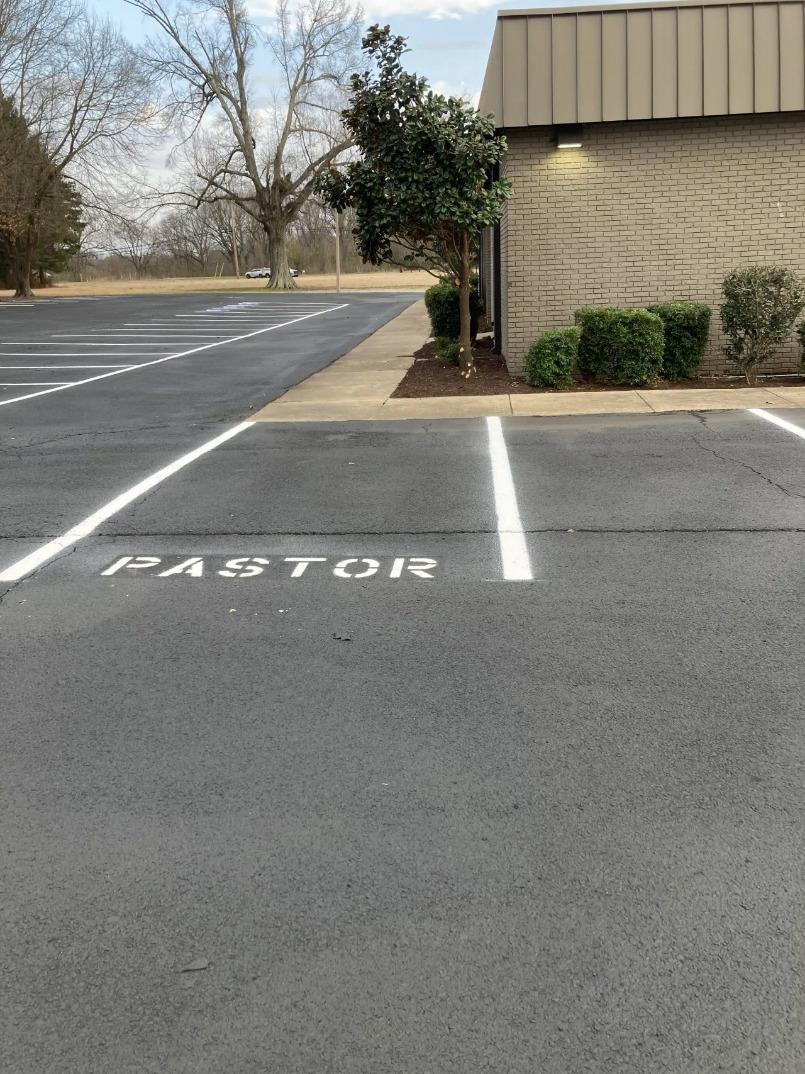
A church parking lot is more than a place to leave vehicles. It is often the first part of the property visitors experience when arriving for Sunday services, Bible studies, weddings, funerals, and community events. For churches in Memphis, TN, maintaining a safe, accessible, and welcoming parking area is an important part of caring for the congregation and the property.
Unfortunately, parking lots experience constant wear from vehicle traffic, changing weather conditions, and everyday use. Without regular maintenance, small cracks can develop into potholes, pavement markings can fade, and drainage problems can create unnecessary hazards.
A simple church parking lot maintenance plan should include monthly visual inspections, regular cleaning, prompt crack repairs, periodic sealcoating, and professional pavement evaluations. By scheduling maintenance throughout the year, church leaders can address developing problems before they require more extensive repairs.
For churches throughout Memphis and Shelby County, a proactive approach can help protect pavement investments while keeping parking areas functional for members, visitors, and community gatherings.
Why Church Parking Lot Maintenance Matters in Memphis, TN
Church parking lot maintenance in Memphis helps protect asphalt surfaces from deterioration while improving accessibility, safety, and the overall appearance of church properties. Because many churches experience concentrated traffic during services and special events, maintaining pavement conditions is especially important for accommodating vehicles and pedestrians.
Unlike retail businesses with relatively consistent traffic throughout the day, churches often experience heavy vehicle activity during specific periods. Sunday mornings, Wednesday evening services, holiday celebrations, and special gatherings can bring numerous vehicles onto the property within a short timeframe.
This concentrated traffic can place additional stress on parking lot entrances, turning areas, and frequently used parking spaces.
Local weather conditions also contribute to pavement deterioration. Memphis experiences hot, humid summers, substantial rainfall, and occasional winter freezing conditions. These environmental factors can gradually weaken asphalt, particularly when existing cracks allow moisture to penetrate beneath the surface.
Churches in areas such as East Memphis, Midtown, Whitehaven, and Raleigh may also manage parking lots that have served their congregations for decades. Older pavement often requires closer attention to surface wear, drainage conditions, and previous repairs.
Prime Paving and Seal Coating understands the importance of maintaining functional parking areas for local properties. We help property owners evaluate pavement conditions and identify maintenance solutions that support long-term asphalt performance.
Step 1: Inspect Your Church Parking Lot Every Month
Monthly parking lot inspections help church maintenance teams identify developing pavement problems before they become more expensive or disruptive. A brief walkthrough can reveal cracks, drainage concerns, faded markings, and damaged areas that might otherwise go unnoticed until visitors begin experiencing difficulties.
Church administrators, facility managers, or volunteer maintenance teams can perform basic visual inspections without specialized equipment.
During each inspection, look for the following warning signs:
- Cracks forming along parking spaces, drive lanes, and entrances.
- Small potholes or depressions where vehicles regularly travel.
- Standing water remaining after rainfall.
- Faded parking lines, directional arrows, or accessible parking markings.
- Loose asphalt, crumbling pavement edges, or deteriorating previous repairs.
- Uneven surfaces that could create tripping hazards.
- Oil stains, accumulated debris, or vegetation growing through cracks.
Churches in Germantown, Bartlett, and other communities throughout the Memphis area should pay particular attention to pavement conditions following periods of heavy rainfall.
Water entering existing cracks can weaken the underlying pavement structure and contribute to additional deterioration.
Keeping a simple inspection log can make maintenance planning easier. Record the location of each concern, take photographs, and note whether the condition changes between inspections.
This information can help church leadership determine which repairs require immediate attention and which improvements can be incorporated into future maintenance budgets.
Step 2: Keep the Parking Lot Clean and Free of Debris
Regular parking lot cleaning helps prevent unnecessary pavement wear while maintaining an attractive appearance for church members and visitors. Removing debris, leaves, dirt, and other materials also makes it easier to identify cracks and drainage problems before they worsen.
Church parking lots often collect debris from nearby landscaping, particularly when mature trees surround the property.
Leaves and organic materials can accumulate along curbs, around drainage structures, and in low areas of the pavement.
In Memphis, seasonal thunderstorms and strong winds can quickly deposit branches, leaves, and other debris across parking surfaces.
A practical cleaning routine should include sweeping high-traffic areas, removing trash, clearing drainage openings, and checking landscaped borders for overgrown vegetation.
Oil and automotive fluid stains should also receive attention. Petroleum-based substances can soften asphalt binders over time, potentially contributing to localized surface deterioration.
For churches with limited maintenance staff, coordinating routine cleaning with existing landscaping or facility maintenance schedules can simplify the process.
A clean parking lot also creates a more welcoming environment for first-time visitors and families attending church activities.
Step 3: Repair Asphalt Cracks Before They Become Potholes
Prompt asphalt crack repair helps prevent water from penetrating beneath the pavement and accelerating deterioration. For Memphis churches, addressing cracks early is one of the most practical ways to reduce the likelihood of potholes, weakened pavement sections, and more extensive repair needs.
Asphalt naturally expands and contracts with temperature changes. Over time, traffic loads, aging materials, and environmental exposure can cause cracks to develop.
Once a crack forms, rainfall can enter the opening and reach the layers supporting the pavement.
If the underlying materials become weakened, vehicle traffic may cause the surrounding asphalt to break apart.
Churches should pay particular attention to cracks near entrances, intersections, pedestrian walkways, and areas where vehicles frequently turn.
Not every crack requires the same repair method.
Narrow, stable cracks may be suitable for professional crack sealing or filling, depending on their condition. Wider cracks, interconnected cracking, or pavement movement may indicate deeper structural problems.
For example, a church parking lot in Cordova might develop isolated cracks near the main entrance after years of vehicle traffic. Addressing those cracks while the surrounding pavement remains stable may help preserve the surface.
However, if the same area begins sinking or developing repeated potholes, additional evaluation may be necessary.
The goal is to address the underlying condition rather than repeatedly covering visible damage.
Step 4: Schedule Sealcoating to Protect the Asphalt
Asphalt sealcoating helps protect suitable pavement surfaces from oxidation, moisture exposure, and everyday environmental wear. For churches in Memphis, periodic sealcoating can be an effective part of a preventive maintenance program when the asphalt remains structurally sound.
Sealcoating involves applying a protective coating over prepared asphalt pavement.
This coating helps reduce the effects of sunlight, water exposure, and certain surface contaminants while refreshing the pavement’s dark appearance.
Many asphalt parking lots are evaluated for sealcoating approximately every two to three years, although the appropriate interval depends on pavement age, traffic, weather exposure, and the condition of previous coatings.
Churches should avoid treating this interval as a fixed requirement.
A professional pavement evaluation can help determine whether sealcoating is appropriate or whether repairs should be completed first.
Sealcoating does not correct deep cracks, unstable pavement, significant drainage problems, or structural failures. Those conditions generally require separate attention.
For churches planning a sealcoating project, scheduling is especially important.
The work area typically needs to remain closed while the coating is applied and cures. The required closure period depends on the product, application conditions, and contractor recommendations.
Church leaders may find it convenient to schedule work during a quieter portion of the week when fewer services, meetings, or community activities are taking place.
Memphis weather should also factor into the schedule. Suitable temperatures, dry pavement, and an appropriate rain-free window are important for successful application.
Step 5: Maintain Clear Parking Lines and Accessible Spaces
Maintaining visible parking lot markings helps churches organize traffic, guide pedestrians, and preserve accessible parking arrangements. Clear striping is particularly valuable during busy services when numerous vehicles arrive and depart within a short period.
Over time, painted parking lines fade from sunlight, traffic, weather exposure, and routine pavement cleaning.
When markings become difficult to see, drivers may park inconsistently, reducing the number of usable spaces or creating unnecessary congestion.
Churches should regularly evaluate the visibility of standard parking spaces, accessible parking areas, directional arrows, fire lanes, and pedestrian crossings.
Accessible parking requires additional consideration.
Church properties should evaluate applicable accessibility requirements, including the number, dimensions, location, signage, and access aisles associated with designated accessible spaces.
Requirements can vary depending on the facility and applicable laws, so church leaders should verify current standards before making changes.
For larger congregations in Memphis, clearly marked traffic patterns can also help reduce confusion during holiday services, funerals, and special events.
Parking lot restriping is often coordinated with sealcoating because existing painted markings may need to be reapplied after the protective coating has cured.
However, churches do not need to wait for a sealcoating project to address severely faded or confusing markings.
Step 6: Check Drainage After Heavy Rainfall
Proper parking lot drainage helps prevent standing water from weakening asphalt surfaces and creating hazards for vehicles and pedestrians. Memphis churches should inspect drainage conditions after substantial rainfall, especially around low areas, entrances, and pedestrian routes.
Water is one of the most significant contributors to asphalt deterioration.
When water remains on pavement for extended periods, it can enter cracks and joints or expose underlying drainage deficiencies.
Standing water can also make it difficult for visitors to enter or exit vehicles comfortably.
Churches should examine areas where puddles repeatedly form, particularly near accessible parking spaces and main building entrances.
Common drainage concerns include blocked catch basins, deteriorated pavement slopes, sunken asphalt sections, and water collecting near curbs.
Some issues can be addressed through routine cleaning, while others may require pavement repair or drainage improvements.
For churches throughout Shelby County, inspecting parking lots after major storms can provide useful information about how water moves across the property.
If the same location repeatedly collects water, the problem should be evaluated rather than treated as a normal inconvenience.
Step 7: Create a Seasonal Parking Lot Maintenance Schedule
A seasonal parking lot maintenance schedule helps Memphis churches distribute maintenance responsibilities throughout the year. Instead of waiting for visible pavement failure, church leaders can coordinate inspections, cleaning, repairs, and professional evaluations around local weather conditions and congregation activities.
A simple schedule can make pavement care more manageable.
Spring: Inspect and Repair Winter Damage
Spring is a practical time to evaluate pavement after colder weather and seasonal rainfall.
Look for new cracks, potholes, deteriorated pavement edges, and areas where water has collected.
Schedule necessary repairs before the busiest outdoor events and warmer weather activities begin.
Summer: Evaluate Sealcoating and Surface Conditions
Summer can provide suitable opportunities for asphalt maintenance, although excessive heat, humidity, and unexpected rain can affect application conditions.
Churches considering sealcoating should coordinate scheduling with a professional contractor and allow appropriate time for curing.
Inspect high-traffic areas for surface wear and check whether parking lot markings remain visible.
Fall: Prepare for Changing Weather
Fall maintenance should focus on removing leaves, clearing drainage structures, and repairing cracks before colder conditions arrive.
Churches with mature trees around their parking lots may need more frequent sweeping during this season.
Fall is also a useful time to review maintenance expenses and begin planning the following year’s pavement budget.
Winter: Monitor Damage and Address Immediate Hazards
Although Memphis winters are generally milder than those in northern regions, occasional freezing temperatures and winter storms can affect pavement conditions.
Water trapped in cracks may expand when frozen, potentially contributing to further damage.
Churches should monitor developing potholes, standing water, and unsafe walking areas throughout the season.
Step 8: Plan for Repairs and Long-Term Parking Lot Costs
A long-term parking lot maintenance budget helps churches prepare for routine upkeep while reducing the likelihood of unexpected major expenses. By separating preventive maintenance from larger repair projects, church leadership can make more informed decisions about facility spending.
Parking lot maintenance expenses vary based on pavement size, existing damage, traffic patterns, accessibility needs, and the services required.
Routine cleaning and inspections generally involve different costs than crack repairs, sealcoating, asphalt patching, or resurfacing.
Churches should consider establishing a dedicated pavement maintenance category within their annual property budget.
This can help leadership anticipate recurring expenses while reserving funds for larger improvements.
A professional pavement assessment can also help identify which areas need immediate attention and which sections may remain serviceable with preventive maintenance.
For example, a church near Downtown Memphis might have a parking lot with several isolated cracks but otherwise stable pavement. Targeted repairs and future sealcoating may be reasonable maintenance options.
Another church with extensive alligator cracking, recurring potholes, and drainage problems may require more substantial repairs.
Understanding these differences can help churches avoid spending limited maintenance funds on treatments that do not address the underlying problems.
Common Parking Lot Maintenance Mistakes Churches Should Avoid
The most common church parking lot maintenance mistakes involve delaying repairs, overlooking drainage, and applying surface treatments to pavement that needs structural work. Avoiding these problems can help Memphis churches make better use of maintenance budgets and reduce unnecessary disruption.
One frequent mistake is waiting until potholes become severe before scheduling repairs.
Small cracks and surface defects may appear insignificant, but allowing water and traffic to worsen the damage can increase the scope of necessary work.
Another mistake is assuming sealcoating can repair every pavement problem.
Although sealcoating provides protective benefits, it cannot restore a failing asphalt foundation or correct significant depressions.
Churches should also avoid ignoring drainage concerns simply because standing water eventually evaporates.
Repeated water accumulation can indicate an issue that deserves professional attention.
Finally, maintenance projects should be coordinated with the church calendar.
Scheduling major pavement work immediately before a wedding, funeral, holiday service, or community gathering may create avoidable access challenges.
Planning work around expected attendance helps protect both the pavement and the congregation’s experience.
When Should a Memphis Church Call a Professional Paving Contractor?
A Memphis church should contact a professional paving contractor when pavement develops recurring potholes, widespread cracking, significant surface deterioration, or persistent drainage problems. Professional evaluation is also useful when planning sealcoating, resurfacing, or other maintenance projects that require specialized equipment and materials.
Church maintenance volunteers can safely handle many routine tasks, including visual inspections, debris removal, and documenting pavement concerns.
However, extensive asphalt repairs require proper evaluation of the pavement’s condition.
A contractor can help determine whether a damaged area needs crack treatment, localized patching, resurfacing, or more substantial reconstruction.
Professional guidance is particularly useful when church leaders must prioritize repairs within a limited budget.
Rather than addressing every issue simultaneously, a maintenance plan can identify immediate hazards, preventive work, and longer-term improvements.
For churches in Memphis, Bartlett, Germantown, and surrounding communities, this approach can make parking lot maintenance more predictable and manageable.
Frequently Asked Questions About Church Parking Lot Maintenance
How often should churches inspect their parking lots in Memphis, TN?
Churches in Memphis should conduct basic visual parking lot inspections at least once a month and after significant storms. These inspections should focus on cracks, potholes, standing water, faded markings, and pedestrian hazards. Additional inspections may be helpful before major church events or periods of increased attendance.
How often should a church parking lot be sealcoated?
Many asphalt parking lots are evaluated for sealcoating approximately every two to three years. However, the appropriate schedule depends on pavement condition, vehicle traffic, weather exposure, and previous maintenance. Churches should have the asphalt evaluated before scheduling sealcoating because damaged or unstable pavement may require repairs first.
What causes church parking lots to develop potholes in Memphis?
Potholes often develop when water enters cracks, weakens underlying pavement materials, and allows vehicle traffic to break apart the asphalt. Memphis rainfall, temperature changes, aging pavement, and concentrated traffic can contribute to this process. Prompt crack repair and proper drainage maintenance may help reduce pothole formation.
Can churches remain open during parking lot sealcoating?
Churches can sometimes remain open during sealcoating if safe access and adequate parking remain available outside the work area. Larger properties may be able to complete projects in sections. However, freshly coated pavement must remain closed until it is ready for traffic, making careful scheduling essential.
Is sealcoating necessary for older church parking lots?
Sealcoating may benefit older asphalt parking lots when the pavement remains structurally sound. It can help protect the surface and improve appearance, but it cannot correct extensive cracking, sinking, or foundation problems. A professional inspection can determine whether sealcoating, repairs, or resurfacing is the more appropriate option.
How can Memphis churches reduce parking lot maintenance costs?
Memphis churches can help control maintenance costs by performing regular inspections, addressing cracks early, keeping drainage structures clear, and scheduling preventive services before damage becomes extensive. Planning repairs around the annual facility budget can also help church leadership prioritize work and avoid unnecessary emergency expenses.
When is the best time to schedule parking lot maintenance in Shelby County?
Spring through fall often provides opportunities for asphalt maintenance in Shelby County, depending on the service and weather conditions. Sealcoating requires suitable temperatures and dry conditions, while certain repairs may have different requirements. Churches should coordinate projects around weather forecasts, contractor recommendations, and scheduled congregation activities.
Should a church repair or replace its asphalt parking lot?
A church should generally consider repairs when damage is localized and the surrounding pavement remains stable. Replacement or major reconstruction may be more appropriate when deterioration is widespread or the underlying pavement structure has failed. A professional evaluation can help determine which option offers the most practical long-term solution.
Protect Your Church Parking Lot With Prime Paving and Seal Coating
A well-maintained church parking lot supports safer access, organized traffic flow, and a welcoming environment for everyone visiting the property. From weekly worship services to community gatherings, dependable pavement helps churches focus on serving their congregations rather than managing avoidable facility problems.
At Prime Paving and Seal Coating, we help property owners in Memphis, TN, and surrounding communities explore practical asphalt maintenance solutions. Whether your church needs crack repairs, sealcoating, or guidance on improving existing pavement conditions, we can help you determine an appropriate next step.
Contact us today to discuss your church parking lot maintenance needs and learn how proactive pavement care can help protect your property for years to come.