

When Should You Sealcoat Your Driveway in Batesville MS?
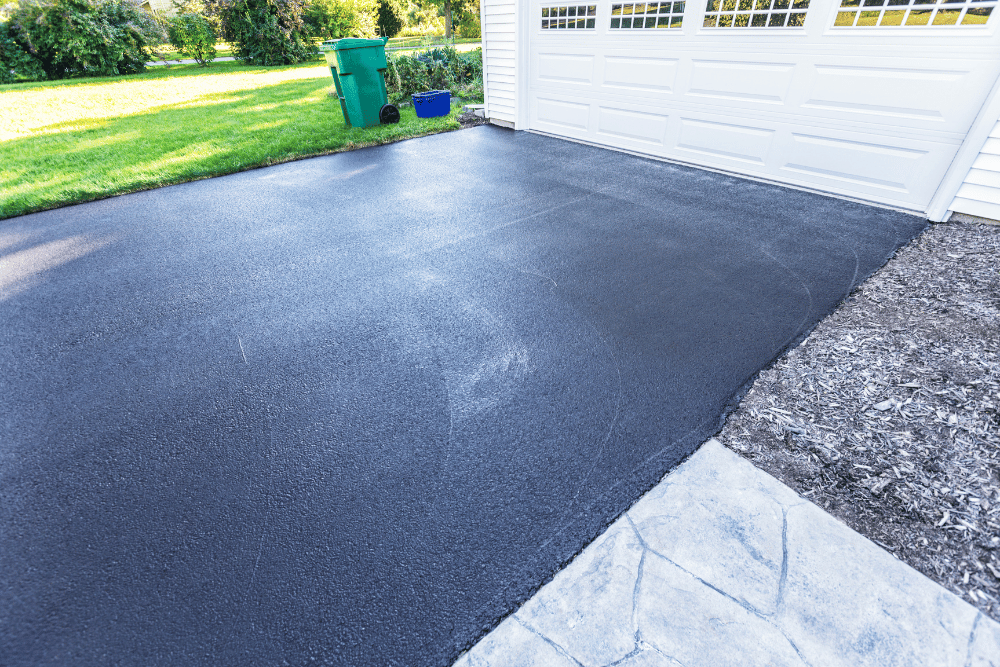
Your driveway faces plenty of challenges throughout the year, from intense summer sunshine to heavy rainfall and changing temperatures. For homeowners in Batesville, MS, these conditions can gradually wear down asphalt surfaces, leaving them vulnerable to cracks, fading, and deterioration. Knowing when to sealcoat your driveway can help you protect your investment and avoid unnecessary repairs.
The best time to sealcoat an asphalt driveway in Batesville is generally during late spring, summer, or early fall, when temperatures are consistently warm and dry weather is expected. Most established asphalt driveways benefit from sealcoating approximately every two to three years, although traffic, surface condition, and previous maintenance can affect the schedule.
A few important considerations include:
- Temperature matters: Sealcoating products generally require temperatures of at least 50°F, with warmer conditions often providing better application and curing results.
- Rainfall affects scheduling: Batesville’s frequent rainfall and humid conditions make it important to choose a dry weather window.
- Driveway age influences timing: Newly installed asphalt typically needs time to cure before receiving its first sealcoat.
- Surface condition determines readiness: Fading, minor surface wear, and reduced water resistance can indicate that maintenance is due.
- Regular inspections prevent bigger problems: Homeowners throughout Panola County can benefit from checking their driveways after heavy storms and seasonal temperature changes.
At Prime Paving and Seal Coating, we understand how Mississippi’s climate affects asphalt surfaces. We help property owners evaluate their pavement conditions and determine when sealcoating or other maintenance services may be appropriate.
What Is the Best Time of Year to Sealcoat a Driveway in Batesville?
The best time of year to sealcoat a driveway in Batesville is typically between late spring and early fall, when warm pavement temperatures and favorable weather conditions support proper application. Choosing the right season allows the protective coating to cure effectively and reduces the likelihood of problems caused by rain or cold temperatures.
Mississippi’s climate creates a relatively long sealcoating season compared to colder regions. However, not every warm day is suitable for application.
Late Spring: A Good Time for Driveway Maintenance
Late spring often provides favorable conditions for asphalt sealcoating throughout Panola County. Temperatures are generally warm enough for application, and homeowners can address surface damage that developed during winter.
April and May may offer suitable opportunities, provided the forecast allows enough dry time. Spring thunderstorms can complicate scheduling, so checking upcoming weather conditions is essential.
Summer: Warm Temperatures With Important Precautions
Summer is another popular time for driveway sealcoating in northern Mississippi. Warm temperatures can help sealcoating materials dry and cure, particularly when humidity and rainfall are manageable.
However, extremely hot pavement can create application challenges. Asphalt surfaces exposed to direct sunlight can become considerably hotter than the surrounding air.
Professional application crews may adjust their schedules to avoid the hottest parts of the day and follow the coating manufacturer’s temperature requirements.
Early Fall: Another Favorable Opportunity
September and early October can also provide good conditions for driveway sealcoating in Batesville.
Temperatures are often still warm enough for application, and homeowners can prepare their pavement before cooler weather arrives.
As fall progresses, shorter daylight hours and declining overnight temperatures can limit suitable application windows.
The ideal schedule ultimately depends on actual weather conditions rather than the calendar alone.
How Often Should You Sealcoat Your Asphalt Driveway?
Most asphalt driveways should be evaluated for sealcoating every two to three years, although some surfaces may need attention sooner or later. The appropriate interval depends on pavement age, vehicle traffic, sun exposure, drainage, and the condition of the existing protective coating.
In Batesville, driveways exposed to direct sunlight and frequent rainfall may experience noticeable surface wear over time.
Several factors influence how often sealcoating is needed.
Daily Vehicle Traffic
Driveways used by multiple vehicles generally experience more wear than those with limited traffic.
Frequent turning, braking, and parking can gradually affect the pavement surface. Areas where vehicles repeatedly turn their wheels while stationary may show wear sooner.
Sun Exposure
Mississippi summers bring extended periods of strong sunlight.
Ultraviolet radiation contributes to asphalt oxidation, which can cause the pavement’s binder to become less flexible over time. Sealcoating helps protect the surface against some of these environmental effects.
Driveways with little shade may require closer monitoring.
Drainage Conditions
Proper drainage is essential for asphalt longevity.
Driveways that collect standing water after thunderstorms may deteriorate faster, particularly if moisture enters existing cracks.
Sealcoating can help limit surface water penetration, but it cannot correct drainage problems or structural damage.
Previous Maintenance
A driveway that has received appropriate maintenance may remain in better condition than one that has gone untreated for many years.
However, applying sealcoat too frequently is not necessarily beneficial. Excessive coating buildup can contribute to peeling, tracking, or other surface problems.
We recommend evaluating the pavement’s actual condition instead of automatically applying another coat every year.
What Are the Signs Your Driveway Needs Sealcoating?
The most common signs that a driveway needs sealcoating include fading asphalt, minor surface wear, reduced water resistance, and an aging protective coating. Homeowners in Batesville should inspect their pavement periodically, especially after heavy rainfall or extended periods of summer heat.
Watch for these warning signs:
- Faded asphalt color: A driveway that has changed from dark black to dull gray may be experiencing surface oxidation.
- Minor surface cracks: Small cracks may indicate that the asphalt is aging. These should be evaluated and repaired before sealcoating.
- Rough surface texture: Asphalt that appears increasingly coarse or worn may benefit from maintenance, depending on its structural condition.
- Water absorption: Water that appears to soak into the surface rather than drain away may indicate deterioration of the existing protective coating.
- Worn sealcoat: Uneven coloration, exposed aggregate, or visibly deteriorated coating can suggest that previous protection is wearing away.
- Localized surface deterioration: Small areas of wear may indicate that repairs are needed before a new coating can be applied.
- Several years since maintenance: If your driveway has not been inspected or maintained for several years, a professional assessment can help determine whether sealcoating is appropriate.
Not every warning sign means that sealcoating alone will solve the problem.
Deep cracks, potholes, sinking sections, and extensive pavement deterioration may require repairs or replacement.
How Does Batesville’s Climate Affect Asphalt Driveways?
Batesville’s climate affects asphalt driveways through prolonged summer heat, frequent rainfall, humidity, and occasional winter freezing temperatures. These conditions can contribute to oxidation, moisture penetration, and pavement deterioration, making preventive maintenance particularly valuable for local homeowners.
Summer Heat and UV Exposure
Hot Mississippi summers place considerable stress on exposed pavement.
Over time, ultraviolet radiation and oxygen contribute to oxidation of the asphalt binder. This process gradually reduces flexibility and can make pavement more susceptible to cracking.
A properly applied sealcoat provides an additional protective surface layer that helps reduce exposure to these elements.
Heavy Rainfall and Moisture
Northern Mississippi receives substantial rainfall throughout the year.
Heavy thunderstorms can expose weaknesses in driveway drainage, particularly on properties with low spots or poorly graded pavement.
When water enters cracks and reaches the underlying base material, it can contribute to weakening and deterioration.
Homeowners near Sardis Lake and throughout the surrounding Panola County area should pay attention to standing water and drainage patterns after storms.
Winter Temperature Changes
Although Batesville generally experiences milder winters than northern states, occasional freezing temperatures can still affect damaged asphalt.
Water trapped in pavement cracks may expand when frozen, potentially worsening existing damage.
Addressing cracks before winter can help reduce moisture-related deterioration.
Local Soil and Drainage Conditions
Properties throughout northern Mississippi may encounter different soil and drainage conditions.
Clay-rich soils can retain moisture and change volume as moisture levels fluctuate. Where these soils affect the driveway base, pavement movement and cracking may develop.
Sealcoating protects the asphalt surface, but it does not resolve underlying soil instability or inadequate base preparation.
Should You Sealcoat a New Asphalt Driveway Right Away?
New asphalt driveways should generally not be sealcoated immediately after installation because the pavement needs time to cure and release lighter oils. Applying a protective coating too soon can interfere with proper adhesion and lead to premature coating failure.
For many residential driveways, the initial waiting period is approximately six to twelve months, although recommendations vary based on asphalt composition, installation conditions, weather, and sealcoat specifications.
A newly paved driveway in Batesville may experience significant heat exposure during its first summer. However, warm weather alone does not mean the pavement is ready for sealcoating.
Before applying the first protective coat, consider whether the asphalt has sufficiently cured, whether the surface is structurally sound, and whether the selected product is appropriate for the pavement.
We recommend following the paving contractor’s guidance and the sealcoat manufacturer’s requirements rather than relying on a fixed waiting period for every driveway.
What Happens During Professional Driveway Sealcoating?
Professional driveway sealcoating typically involves inspecting the pavement, cleaning the surface, completing necessary repairs, applying a compatible protective coating, and allowing adequate curing time. Proper preparation is especially important in Batesville, where moisture and seasonal weather conditions can affect application quality.
Surface Inspection and Preparation
The process begins with evaluating the driveway’s condition.
Loose debris, dirt, vegetation, and other contaminants must be removed so the coating can adhere properly.
Oil stains may require additional treatment, and the surface must be sufficiently dry before application.
Crack Repairs
Existing cracks should be addressed before sealcoating.
Appropriate crack-filling or sealing materials help limit moisture intrusion and provide a more suitable surface for the protective coating.
However, extensive cracking may indicate deeper structural problems that require more substantial repairs.
Sealcoat Application
Once preparation is complete, the coating is applied according to product specifications.
Application methods may include brushing, squeegeeing, or spraying, depending on the material, surface conditions, and project requirements.
Proper coverage and application thickness are essential.
Drying and Curing
After application, the driveway must remain free from vehicle traffic until the coating has sufficiently cured.
Some products allow pedestrian access within several hours, while vehicle access may require approximately 24 to 48 hours or longer.
Humidity, temperature, sunlight, coating thickness, and product formulation can all affect curing time.
Homeowners should follow the specific instructions provided for their project.
Common Driveway Sealcoating Mistakes to Avoid
The most common sealcoating mistakes include applying coating during unsuitable weather, neglecting surface preparation, ignoring structural damage, and using too much material. Avoiding these problems can improve the appearance and performance of asphalt driveways throughout Batesville and nearby communities.
Applying Sealcoat Before Rain
Rain can wash away or damage coating that has not adequately dried.
A better approach is to schedule application during a suitable dry weather window and follow the product’s rain-resistance requirements.
Skipping Crack Repairs
Applying sealcoat directly over damaged pavement does not provide a lasting solution to significant cracks.
Repairing appropriate cracks before coating helps reduce water intrusion and improves the finished surface.
Sealcoating Too Frequently
Annual sealcoating is not automatically necessary for residential driveways.
Excessive applications can create unwanted buildup without providing proportional benefits.
A condition-based maintenance schedule is generally more effective.
Ignoring Drainage Problems
Sealcoating cannot eliminate standing water caused by improper grading or damaged pavement.
If water repeatedly collects in the same areas, drainage or pavement repairs may be necessary before applying a protective coating.
Choosing Price Over Preparation
A low-cost application may not provide good value if cleaning, repairs, and curing requirements are overlooked.
Homeowners should consider the complete maintenance process rather than focusing exclusively on the initial price.
Is Driveway Sealcoating Worth It for Batesville Homeowners?
Driveway sealcoating is generally worthwhile when the existing asphalt is structurally sound and the coating is applied at the appropriate time. It can help protect against surface oxidation, reduce some moisture penetration, and maintain a more uniform appearance.
For homeowners in Batesville, maintaining an asphalt driveway can be particularly beneficial because of the region’s combination of strong sunlight and frequent rainfall.
Sealcoating may offer several advantages.
Surface protection: A compatible coating helps reduce direct exposure to sunlight, water, and certain contaminants.
Improved appearance: Fresh sealcoating can restore a darker, more consistent finish to aging asphalt.
Preventive maintenance: Addressing surface wear before extensive deterioration develops may help delay more expensive repairs.
Property presentation: A well-maintained driveway contributes to the overall appearance of a home.
However, sealcoating is not a substitute for structural repairs.
A driveway with extensive alligator cracking, major depressions, or a failing base may require resurfacing or replacement.
The most cost-effective solution depends on the pavement’s existing condition.
How Can You Extend the Life of Your Asphalt Driveway?
You can extend the life of an asphalt driveway by maintaining proper drainage, repairing cracks promptly, limiting unnecessary surface stress, and scheduling sealcoating when the pavement needs protection. Regular inspections are particularly useful for properties exposed to northern Mississippi’s changing seasonal conditions.
Consider the following maintenance practices.
Inspect your driveway each spring. Look for cracks, surface deterioration, and drainage problems that may have developed during winter.
Monitor drainage after thunderstorms. Water should flow away from the pavement rather than collecting in depressions.
Address cracks early. Small cracks can allow water to reach the underlying pavement structure.
Clean spills promptly. Automotive fluids can soften or damage certain asphalt surfaces if left untreated.
Avoid excessive concentrated loads. Heavy equipment, trailers, and narrow support stands may create depressions or surface damage, especially during hot weather.
Schedule periodic professional evaluations. An inspection can help determine whether the driveway needs crack repair, sealcoating, or more extensive maintenance.
Homeowners in nearby communities such as Courtland, Pope, and Sardis can follow similar practices to protect their asphalt surfaces.
Frequently Asked Questions About Driveway Sealcoating in Batesville, MS
These frequently asked questions address sealcoating schedules, weather requirements, maintenance costs, and other considerations for asphalt driveways in Batesville and the surrounding Panola County area.
What month is best for driveway sealcoating in Batesville, MS?
May through September often provides favorable temperatures for driveway sealcoating in Batesville. However, the best application date depends on the weather forecast, pavement temperature, humidity, and product requirements. Late spring and early fall can be especially convenient when temperatures are warm without excessive afternoon heat.
How long does driveway sealcoating take to dry in Mississippi?
Driveway sealcoating may require approximately 24 to 48 hours before normal vehicle traffic resumes, although some products and conditions require more time. Mississippi’s humidity can slow drying and curing. Always follow the coating manufacturer’s specifications and the application contractor’s instructions before using the driveway.
Can you sealcoat a driveway during the rainy season in Batesville?
Yes, driveway sealcoating can be completed during rainy periods if a suitable dry weather window is available. The asphalt must be sufficiently dry before application, and rain must be avoided during the coating’s required drying period. Scheduling flexibility is particularly important during Mississippi’s spring thunderstorms.
How much does driveway sealcoating cost in Batesville?
Driveway sealcoating costs vary based on square footage, pavement condition, crack repairs, cleaning requirements, and the coating system used. Larger driveways may have different per-square-foot costs than smaller projects. A property-specific estimate is the most reliable way to determine the cost of sealcoating your driveway.
Can sealcoating fix cracks in an asphalt driveway?
No, sealcoating alone cannot properly repair significant asphalt cracks. Cracks generally require suitable filling or sealing before a protective coating is applied. Deep cracks, widespread alligator cracking, or pavement movement may indicate structural problems requiring additional repairs.
Should I sealcoat my driveway before winter in Panola County?
Sealcoating before winter can be beneficial if the asphalt needs protection and temperatures remain suitable for application. Early fall is often a practical time to complete maintenance. However, existing cracks should be repaired first, and the coating must have adequate time to cure before colder or wet weather arrives.
Is it better to sealcoat or repave an old driveway?
Sealcoating is generally appropriate for structurally sound asphalt with surface oxidation or minor wear. Repaving or more extensive repairs may be necessary when the driveway has widespread cracking, major depressions, potholes, or base failure. A professional inspection can help determine which option makes better financial sense.
How long should I wait to sealcoat a new driveway in Batesville?
New asphalt driveways often require approximately six to twelve months of curing before their first sealcoat, although the appropriate waiting period varies. Asphalt composition, weather, installation conditions, and coating specifications all influence readiness. Consult the paving contractor before applying a protective coating to newly installed asphalt.
Protect Your Batesville Driveway With Professional Sealcoating
The right sealcoating schedule can help protect your asphalt driveway from the effects of Mississippi’s summer heat, frequent rainfall, and seasonal temperature changes. For most established driveways, evaluating the surface every two to three years and choosing a warm, dry application period is a practical starting point.
At Prime Paving and Seal Coating, we help homeowners make informed decisions about asphalt maintenance. Whether your driveway is beginning to fade, showing minor surface wear, or approaching its next maintenance interval, we can help you explore the appropriate options.
Contact us today to discuss driveway sealcoating in Batesville, MS, and take the next step toward protecting your pavement.